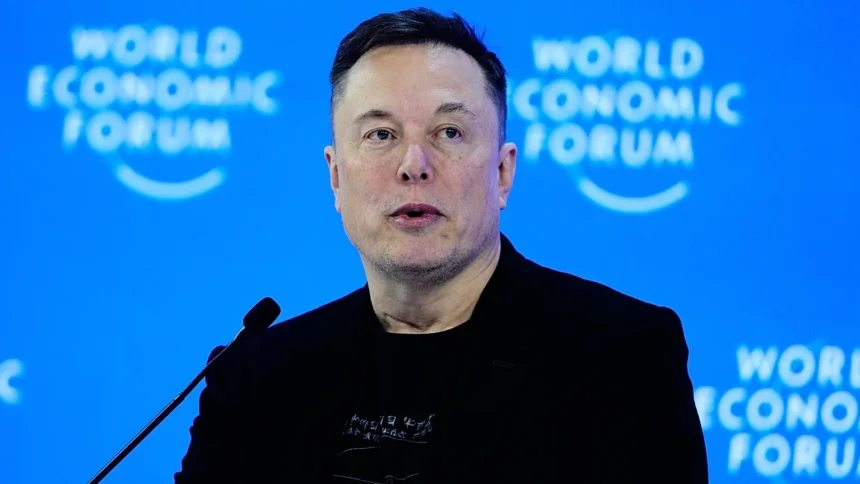
Every January, the snow-covered town of Davos becomes a place where global direction is quietly debated before it is widely felt. When figures from technology, politics, and finance appear on the World Economic Forum stage, their presence often carries meaning beyond their words. The participation of Elon Musk at Davos has consistently drawn global attention, not only because of who he is, but because of what his engagement signals about the evolving relationship between technology and leadership.
Seen from Cambodia, the interest around Musk’s presence is not about personality or spectacle. It reflects a deeper curiosity about how technology-driven leadership is reshaping economies, governance, and opportunity—especially for developing and emerging nations.
Why Elon Musk at Davos Matters
Davos has traditionally been associated with heads of state, central bankers, and multinational institutions. The prominence of technology leaders like Elon Musk reflects how power and influence have shifted in the global system.
Musk’s companies operate at the intersection of artificial intelligence, space, energy, mobility, and digital communication. When such a figure participates in Davos discussions, it signals that technology is no longer a supporting sector—it is a central force shaping global priorities.
For global audiences, Musk’s presence highlights how innovation increasingly influences policy debates on productivity, security, sustainability, and the future of work.
Technology as a Leadership Language
One of the key signals from Musk’s participation is the changing language of leadership. In past decades, leadership was often defined by political authority or financial scale. Today, technological capability and vision play a growing role.
At forums like Davos, technology leaders are not only presenting products or platforms. They are engaging in discussions about:
- Artificial intelligence governance
- Energy transitions
- Digital infrastructure
- Workforce transformation
This shift reflects a broader global reality: countries and economies are increasingly shaped by their ability to adopt, regulate, and innovate with technology.
Davos, AI, and the Global Conversation
Artificial intelligence has become one of the most closely watched themes at Davos in recent years. Musk’s involvement in AI-related discussions reinforces the urgency of balancing innovation with responsibility.
Global leaders are grappling with questions around AI safety, economic disruption, and ethical frameworks. These conversations matter far beyond advanced economies. Decisions and norms shaped in such forums influence how AI is deployed across the world.
For Cambodia, these global discussions help frame how emerging economies can engage with AI—not as passive users, but as active participants in shaping its application.
What This Signals for Emerging Economies
The visibility of tech leaders at Davos sends a clear message: future growth will be closely linked to digital capacity. For emerging economies, this creates both opportunity and responsibility.
Countries that invest in digital skills, infrastructure, and governance are better positioned to benefit from global technological shifts. Those that lag risk deeper divides.
From a Cambodian perspective, the message is not about replicating Silicon Valley, but about building a technology ecosystem suited to local realities—focused on inclusion, productivity, and resilience.
Cambodia and the Path Toward the AI Economy
Cambodia’s digital transformation is still in its early stages, but foundations are being laid. Online business registration, digital payments, and expanding internet access are already changing how people interact with the economy.
The global AI conversations reflected at Davos highlight areas where Cambodia can engage meaningfully:
- Education and skills: training youth in data, coding, and AI literacy
- Smart governance: using AI to improve public services and planning
- SME support: applying AI tools to logistics, agriculture, and tourism
- Regional collaboration: participating in ASEAN-led digital initiatives
For Cambodian youth, these pathways matter. They connect global technological shifts with local aspiration and employment.
Leadership Beyond Borders
Another signal from Musk’s Davos presence is the increasingly borderless nature of influence. Technology leaders operate across jurisdictions, cultures, and markets. Their decisions affect supply chains, labour markets, and information flows worldwide.
For smaller economies, this underscores the importance of adaptability. Engaging with global technology trends requires regulatory clarity, openness to collaboration, and protection of local interests.
Cambodia’s long-term advantage lies in its ability to remain flexible while aligning with global standards.
Davos Through a Cambodian Lens
From Cambodia, Davos is not viewed as a place where decisions are imposed. It is observed as a space where narratives are formed—about growth, risk, and the future.
When figures like Elon Musk participate, it reinforces the idea that technology will continue to shape leadership conversations. For Cambodian policymakers, educators, and entrepreneurs, this serves as a signal to prepare—not reactively, but strategically.
Technology, Responsibility, and Balance
While innovation drives opportunity, it also raises concerns about inequality, access, and disruption. Davos discussions increasingly reflect this balance—how to ensure technology serves broader social goals.
For Cambodia, this balance is essential. Digital growth must complement social stability, cultural context, and sustainable development. AI and advanced technologies are tools, not ends in themselves.
Looking Ahead
Elon Musk’s participation in Davos is less about individual influence and more about what it represents: the central role of technology in shaping global leadership and economic direction.
For Cambodia, the relevance lies in understanding these signals early. The future AI-driven economy will reward countries that invest in people, systems, and cooperation.
The buzz around Elon Musk at Davos reflects a wider shift in global leadership—from traditional power centres to technology-driven influence. These conversations shape how innovation, governance, and growth intersect on a global scale.
Seen from Cambodia, the message is clear but measured. The future belongs not only to those who build technology, but to those who prepare their societies to use it wisely. By aligning digital ambition with local strength, Cambodia can take its place in the evolving global technology landscape.
Also Read: 40 Cambodian Officials Depart for Cyber Crime and Statistics Training in India