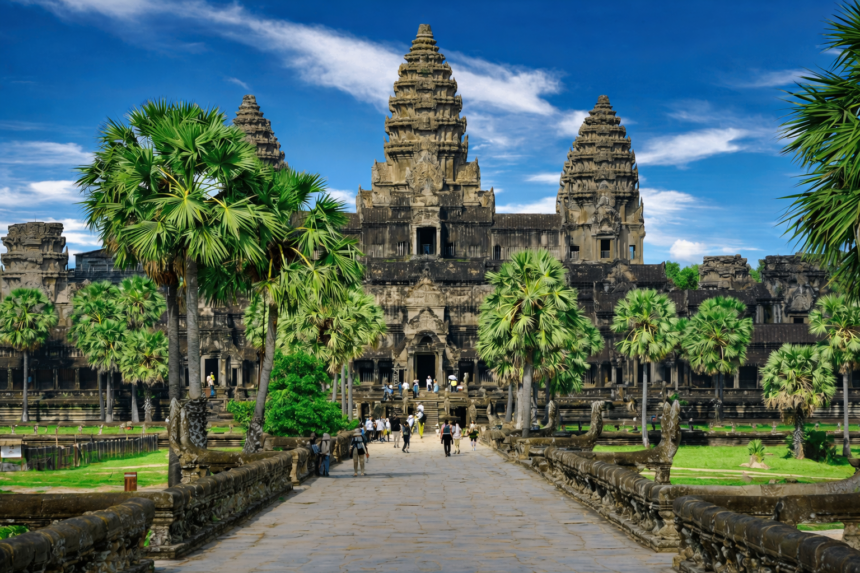
In Cambodia, travel has always been more than movement from one place to another. Rivers, forests, temples, and villages are not just scenery; they are living spaces shaped by generations of care, work, and belief. As more travellers return to Southeast Asia and look for meaningful experiences, the idea of responsible travel has become central to how destinations are explored—and protected.
- What Responsible Travel Means in Practice
- Staying Local: Keeping Value Close to Communities
- Hiring Guides: Knowledge That Protects Places
- Embracing a Slower Pace
- Packing Light, Packing Out
- Reducing Plastic Use
- Respecting Culture and Daily Life
- Why Responsible Travel Matters Now
- A Cambodian View of Responsibility
Eco-travel in Cambodia is not about luxury resorts or curated social media moments. It is about treading lightly, supporting communities, and leaving places as they were found. From the Cardamom Mountains to the Tonlé Sap floodplains, responsible travel is increasingly seen as a shared responsibility between visitors and hosts.
Seen from Cambodia, this approach is not a trend. It is a continuation of values rooted in respect, balance, and long-term thinking.
What Responsible Travel Means in Practice
Responsible travel focuses on reducing harm and increasing positive impact. It considers how choices—where to stay, how to move, what to buy—affect local people and natural environments.
In Cambodia, this often means:
- Choosing community-run or conservation-linked accommodation
- Hiring local guides who know the land and culture
- Respecting wildlife, forests, and waterways
- Reducing waste and avoiding single-use plastics
- Learning and following local customs
These actions may seem small individually, but together they shape how tourism supports—or strains—fragile ecosystems and communities.
Staying Local: Keeping Value Close to Communities
One of the most direct ways travellers can contribute is by staying local. Community-run homestays and eco-lodges are found across Cambodia, from forest regions to river communities. These places are often modest, but they are designed to keep tourism income within the village.
When travellers choose these options, spending supports families, guides, cooks, and maintenance workers—people whose livelihoods are closely tied to the health of their surroundings. This model also encourages communities to protect what visitors come to see: forests, rivers, wildlife, and cultural heritage.
From a Cambodian perspective, this is not only economic. It is about dignity and ownership—ensuring that tourism grows with communities, not over them.
Hiring Guides: Knowledge That Protects Places
Local guides play a central role in responsible travel. They are not only navigators of trails and waterways, but interpreters of history, ecology, and daily life. Their presence improves safety, enriches understanding, and helps manage visitor impact on sensitive areas.
In forest and wetland regions, guides also act as informal guardians—steering travellers away from fragile zones, explaining why certain rules exist, and ensuring that visits do not disturb wildlife or community routines.
Guide fees, in many areas, support conservation work and community projects. This creates a direct link between tourism and protection—one of the most practical examples of responsible travel in action.
Embracing a Slower Pace
Remote destinations in Cambodia often operate on slow time. Transport takes longer. Schedules are flexible. Conversations matter as much as itineraries. For many visitors, this slower rhythm becomes part of the experience.
Responsible travel encourages travellers to embrace this pace rather than rush through places. Staying longer, listening more, and moving less reduces pressure on infrastructure and environments while deepening cultural exchange.
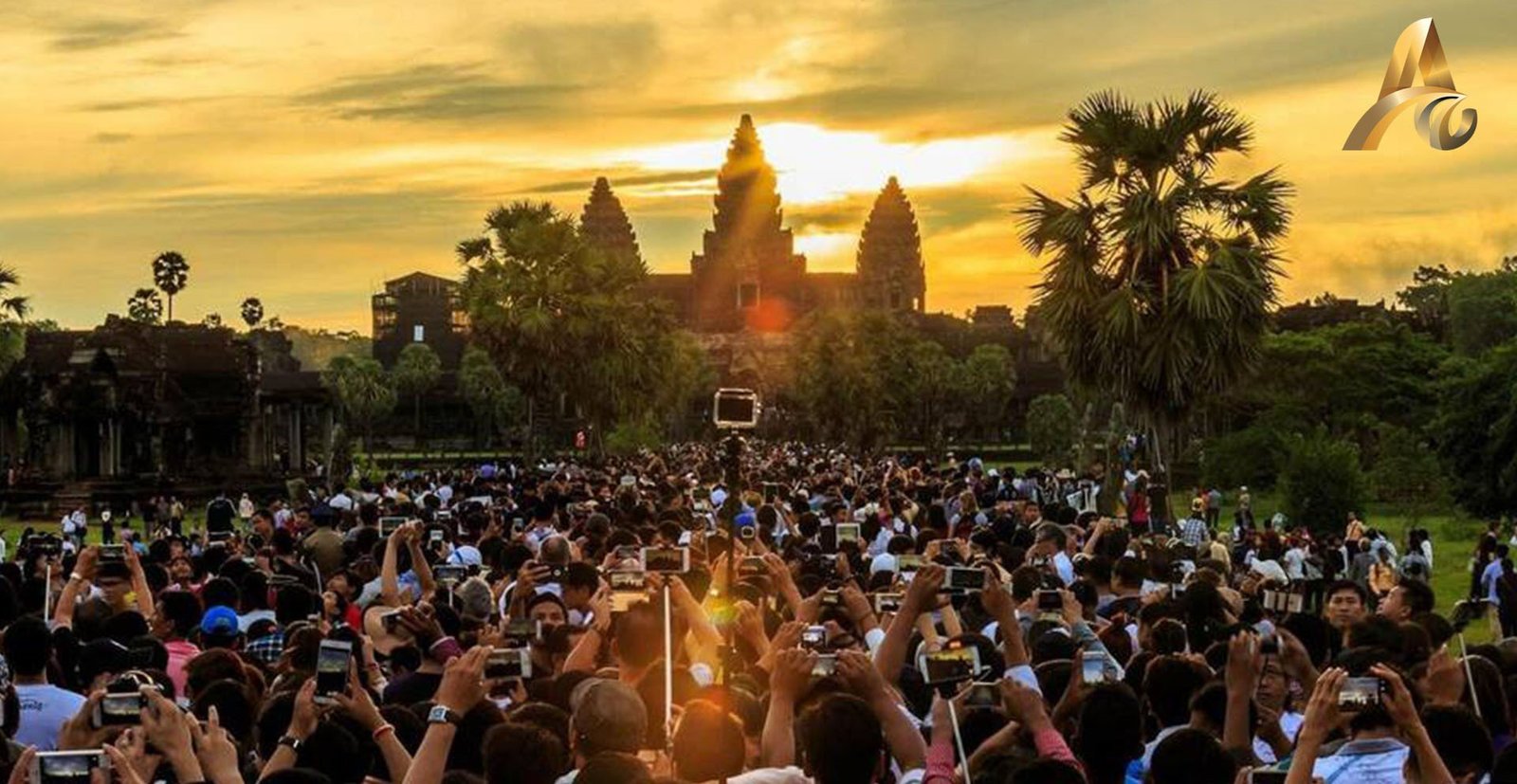
In a region where mass tourism has sometimes strained local systems, slower travel offers a more balanced alternative—one that aligns with Cambodia’s natural and social rhythms.
Packing Light, Packing Out
Waste management remains a challenge in many rural and natural areas across Southeast Asia. Responsible travel therefore places strong emphasis on reducing what is brought in and taking out what cannot be managed locally.
Simple actions make a difference:
- Carrying reusable bags and bottles
- Avoiding unnecessary packaging
- Taking personal waste back to cities with proper disposal systems
In forests, mountains, and wetlands, these habits help keep landscapes clean and reduce the burden on communities that lack large-scale waste facilities.
Reducing Plastic Use
Single-use plastics are one of the most visible environmental pressures on Cambodia’s rivers, lakes, and coastlines. Bottles, bags, and straws often end up in waterways or burned in open areas.
Responsible travellers are increasingly encouraged to:
- Refill water bottles
- Decline plastic straws and bags
- Choose products with minimal packaging
These choices support broader national and regional efforts to reduce plastic pollution and protect ecosystems that depend on clean water.
Respecting Culture and Daily Life
Responsible travel is not only about nature; it is also about people. Cambodia’s cultural traditions, religious practices, and social customs are deeply valued and deserve respect.
Practical steps include:
- Dressing modestly in temples and villages
- Learning a few Khmer greetings
- Asking permission before taking photos of people
- Being mindful during ceremonies and daily routines
These gestures build trust and reflect an understanding that travel is a two-way exchange, not a performance.
Why Responsible Travel Matters Now
Across Southeast Asia, tourism is rebuilding in a world shaped by climate concerns, economic uncertainty, and changing traveller expectations. Responsible travel offers a framework that helps destinations grow without repeating past pressures.
For Cambodia, this approach supports:
- Conservation of forests, wetlands, and wildlife
- More stable income for rural communities
- Better management of visitor numbers and impact
- Stronger international reputation as a sustainable destination
It also aligns with regional efforts to build tourism models that are resilient rather than extractive and can reinforce responsible travel rather than replace human connection and local knowledge.
A Cambodian View of Responsibility
From within Cambodia, responsible travel is not an abstract concept. It is visible in villages that protect forests, in guides who teach respect for rivers and wildlife, and in families who open their homes to visitors.
These efforts reflect a broader national understanding: that the country’s natural and cultural heritage is not renewable at the speed of demand. Protection, therefore, is not a barrier to tourism—it is its foundation.
“How to travel responsibly” in Cambodia is not a checklist. It is a mindset shaped by care, awareness, and shared responsibility. By staying local, hiring guides, embracing a slower pace, reducing waste, and respecting culture, travellers become part of a system that supports both people and place.
Seen from a Cambodian perspective, responsible travel is not about doing less. It is about doing better—so that forests remain standing, rivers remain clean, and communities remain strong for those who live there and those who come to learn from them.
Also Read: Chi Phat: The Pioneer of Purpose in Cambodia’s Ecotourism Story