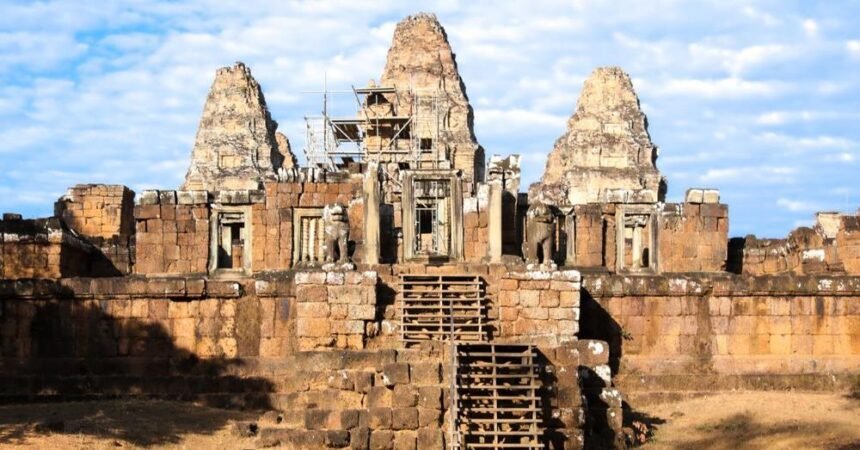
SIEM REAP, Cambodia – February 4, 2026 – The APSARA National Authority is actively undertaking crucial restoration work on the north gate of the ancient East Mebon Temple, a significant historical site within the vast Angkor Archaeological Park in Siem Reap, Cambodia. This vital project aims to safeguard the 10th-century structure, which has suffered extensive damage from both natural elements and structural degradation over centuries.
Initiated in late 2025 by the Department of Conservation of Monuments and Preventive Archaeology, the restoration is slated for completion by April 2026. This ongoing effort highlights Cambodia’s unwavering commitment to preserving its rich cultural heritage for future generations and for the millions who travel to Cambodia each year.
Preserving a High-Risk Angkorian Structure
The decision to restore the north gate was prompted by a comprehensive risk assessment that classified the structure as critically endangered. So Pot, an architect and archaeologist with the department, emphasized the urgent need for intervention to prevent the gate’s potential collapse, underscoring the delicate balance between ancient architecture and the forces of nature.
East Mebon Temple, a majestic mountain temple constructed during the reign of King Rajendravarman II, holds a unique place in Cambodian history. Situated at the heart of the ancient Yashodharatataka, also known as the East Baray, it predates the renowned Pre Rup Temple, showcasing the intricate urban planning and religious devotion of the Angkorian era.
Meticulous Restoration Techniques Employed
The restoration process is intricate, addressing the unique construction of the north gate. Its lower foundation is crafted from durable laterite, while the upper sections feature elaborate brickwork. The dedicated team is diligently working to reinforce the laterite base, beginning with the meticulous cleaning of soil from the stone joints and cracks.
Following the cleaning, these vulnerable areas are carefully resealed with a specialized mortar designed to prevent further water infiltration, a primary cause of decay in such ancient monuments. Stones that remain in good structural condition are preserved in situ, while those too severely damaged are being replaced with new materials that faithfully replicate the original form and construction techniques, ensuring historical accuracy. With over 50% of the restoration now complete, the project is progressing steadily towards its anticipated spring 2026 conclusion.
The restoration of East Mebon Temple’s north gate is more than just a repair project; it is a profound act of cultural preservation. By dedicating resources and expertise to these ancient sites, the APSARA National Authority not only protects invaluable pieces of Cambodian heritage but also enhances the experience for visitors seeking to explore the wonders of Angkor. These efforts ensure that the stories and architectural grandeur of the Khmer Empire continue to inspire and educate for centuries to come, solidifying Cambodia’s position as a premier destination for cultural tourism in Southeast Asia.
Also Read: Cambodia Joins Global AI Summit at 5th DCO General Assembly in Kuwait