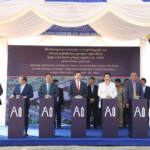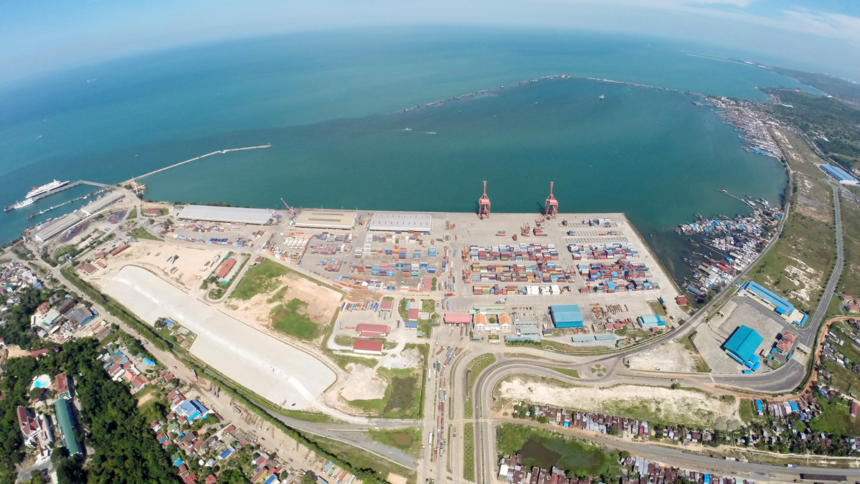
Cambodia has announced a major expansion of the Sihanoukville Autonomous Port with the development of a new deep-water terminal, marking a key step in strengthening the country’s trade and logistics infrastructure. The project is aimed at enhancing port capacity, improving connectivity with global shipping routes, and supporting Cambodia’s long-term economic growth.
The expansion is being implemented in multiple phases and is part of a broader national strategy to modernise maritime infrastructure. The project is supported through concessional financing, reflecting international cooperation in infrastructure development. Authorities have stated that the upgraded facilities will play a vital role in handling increasing cargo volumes driven by rising trade activity and industrial growth.
A major highlight of the expansion is the construction of a deep-water terminal that will allow the port to accommodate significantly larger container vessels. Once completed, the terminal is expected to handle ships with capacities of up to 160,000 deadweight tonnes, or around 15,000 twenty-foot equivalent units. This development will enable direct access for large international vessels, reducing the need for cargo transshipment through regional ports and improving overall shipping efficiency.
The enhanced port infrastructure is expected to support faster cargo movement, lower logistics costs, and improved turnaround times for importers and exporters. By expanding its maritime capabilities, Cambodia aims to strengthen its position within regional and global supply chains while supporting export-oriented industries and attracting foreign investment.
Preparatory work for the project includes technical assessments, planning activities, and coordination with local authorities in areas impacted by the development. The phased approach is designed to ensure smooth implementation while allowing the port to continue operations during construction.
Upon completion, the expanded Sihanoukville Port is expected to significantly increase its cargo-handling capacity and improve Cambodia’s access to international trade routes. The project is also anticipated to contribute to job creation, regional economic development, and greater competitiveness in the logistics and maritime sectors.
The full development is planned to be completed by 2030, with capacity enhancements rolled out progressively over the coming years. Once operational, the new deep-water terminal is expected to play a central role in supporting Cambodia’s trade ambitions and long-term economic objectives.
Also Read: New Science Library Opened in Ratanak Mondul, MoU for Sangkè District