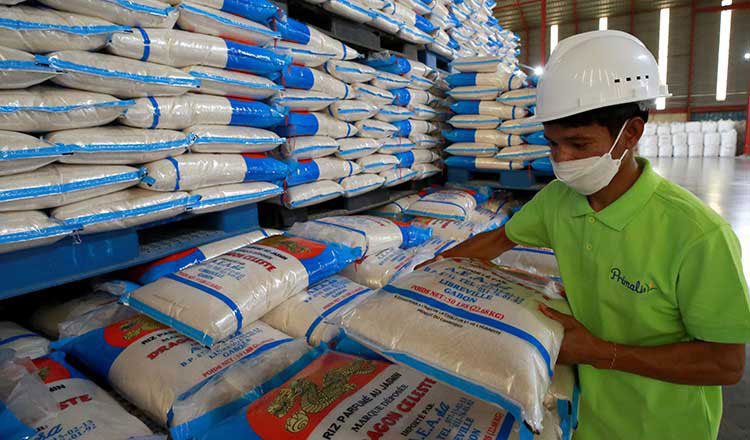
Phnom Penh, Cambodia – Cambodia’s rice export sector recorded a strong start to 2026, with shipments rising 83 percent in the first two months of the year compared to the same period last year. According to official data, the country exported 247,822 tonnes of milled rice during January and February, significantly higher than the 135,074 tonnes exported during the same period in 2025.
The increase reflects continued international demand for Cambodian rice as well as efforts by exporters and government agencies to expand market access and strengthen agricultural trade.
Export Markets and Industry Participation
Cambodian rice exports reached multiple international markets during the reporting period. Major destinations included countries in Europe, China, ASEAN markets, and other regions, where Cambodian rice varieties—particularly fragrant rice—remain popular among consumers.
Industry participants note that improved logistics, stronger export partnerships, and continued promotion of Cambodian rice have supported the growth in shipments. Export companies have also increased their participation in global trade networks to secure new buyers and maintain consistent supply chains.
Importance of Rice to Cambodia’s Economy
Rice remains one of Cambodia’s most important agricultural commodities and a key contributor to export earnings. Millions of farmers across the country depend on rice cultivation as a primary source of income, and the sector plays an important role in supporting rural livelihoods.
Over the past several years, the government and industry groups such as the Cambodia Rice Federation (CRF) have worked to expand production capacity, improve processing standards, and strengthen international branding for Cambodian rice.
Economic Implications for Agriculture and Trade
The surge in exports during the early months of 2026 highlights the resilience of Cambodia’s agricultural sector amid evolving global market conditions. Higher export volumes can support increased income for farmers, improve rural economic activity, and strengthen Cambodia’s position in international rice markets.
Agricultural exports also contribute to broader economic growth by supporting logistics, milling, and trading activities linked to the rice value chain.
Also Read: Cambodia Plans to Establish First Oil Refinery Within Three Years