Heatwaves, Marine Ecosystems, and Extreme Weather: Climate Signals from Early 2026
Heatwaves, marine ecosystem stress, and extreme weather in early 2026 are reshaping Southeast Asia. This article explores climate signals, regional resilience, and how Cambodia can adapt using data and AI.
The opening months of 2026 have carried a familiar but growing unease across Asia. Prolonged heatwaves, unusually warm ocean temperatures, and more frequent extreme weather events are no longer isolated incidents—they are signals. From cities adjusting to record temperatures to coastlines responding to stressed marine ecosystems, climate patterns are shaping both economic and social realities across the region.
Seen from Cambodia, these signals are not distant scientific observations. They are felt in fishing communities watching changing seas, in tourism hubs adapting to shifting travel seasons, and in regional markets responding to climate-linked disruptions and resilience elsewhere in Asia.
Early 2026: A Pattern, Not an Exception
Heatwaves recorded in early 2026 across South and Southeast Asia reflect broader global trends. Higher average temperatures, longer hot spells, and warmer oceans are placing stress on natural systems that communities depend on.
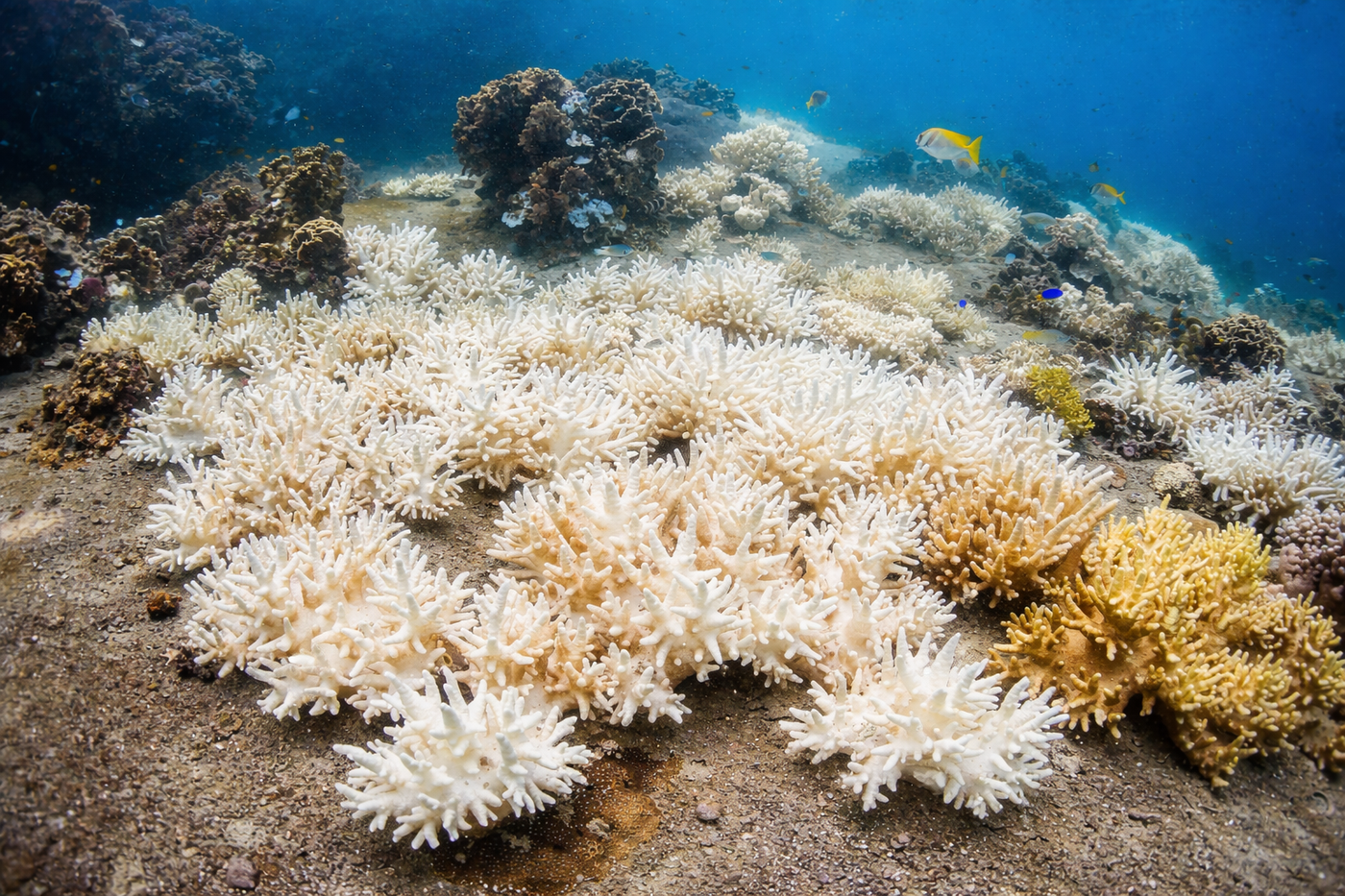
Marine heatwaves—periods of abnormally high ocean temperatures—are receiving particular attention. These events affect coral reefs, fisheries, and coastal ecosystems, which are critical for food security and livelihoods across Southeast Asia.
For Cambodia, where coastal and inland ecosystems support millions, climate signals from early 2026 highlight the need for preparedness rather than surprise.
Marine Ecosystems Under Pressure
Warmer seas alter marine life in subtle but significant ways. Fish migration patterns change, coral reefs face bleaching risks, and mangroves experience increased stress. These shifts affect fisheries, tourism, and coastal protection.
Along the Gulf of Thailand, even small temperature variations can influence catch volumes and species availability. For Cambodian fishing families, these changes translate into real economic consequences.
At a regional level, stressed marine ecosystems also affect trade flows, as seafood supply chains adjust to availability and sustainability concerns.
Extreme Weather and Regional Connectivity
Heatwaves are often accompanied by erratic rainfall and more intense storms. Across Asia, extreme weather events disrupt transport, agriculture, and tourism—sectors that are deeply interconnected across borders.
Southeast Asia’s markets are closely linked to South Asia through trade, logistics, and travel. Climate disruptions in one region often ripple into another, affecting prices, schedules, and demand.
For Cambodia, these interconnected systems mean that resilience elsewhere in Asia matters at home.
India’s Resilience and Regional Stability
Amid global uncertainty and climate stress, India’s economic resilience has emerged as an important stabilising factor in the region. Despite facing its own heatwaves and climate challenges, India’s diversified economy and strong domestic demand have helped maintain momentum.
This resilience influences regional markets in several ways:
- Trade continuity: Stable demand supports supply chains across Asia
- Travel flows: A resilient middle class sustains outbound tourism
- Investment confidence: Regional partners benefit from reduced volatility
For Southeast Asia, including Cambodia, India’s ability to adapt and continue growing provides a degree of balance in an otherwise uncertain climate and economic environment.
Climate, Travel, and Shifting Tourism Patterns
Heatwaves and extreme weather are reshaping how and when people travel. Peak seasons are adjusting, destinations are diversifying, and travellers are seeking climate-aware experiences.
For Cambodia, this shift creates both challenges and opportunities. Inland cultural destinations, wellness tourism, and community-led eco-experiences are gaining relevance as travellers become more conscious of climate comfort and sustainability.
India’s continued outbound travel—supported by economic resilience—plays a role here. Stable travel flows from South Asia can help cushion seasonal disruptions elsewhere.
Markets Responding to Climate Signals
Climate volatility affects commodity prices, logistics costs, and consumer behaviour. Early 2026 has reinforced how closely climate and markets are linked.
When heatwaves disrupt agriculture or extreme weather delays shipping, regional markets adjust quickly. Cambodia, as part of Southeast Asia’s trade network, experiences these shifts indirectly through prices, availability, and demand.
Resilient economies in the region help absorb these shocks, reducing the risk of cascading disruptions.
Cambodia’s Climate Reality
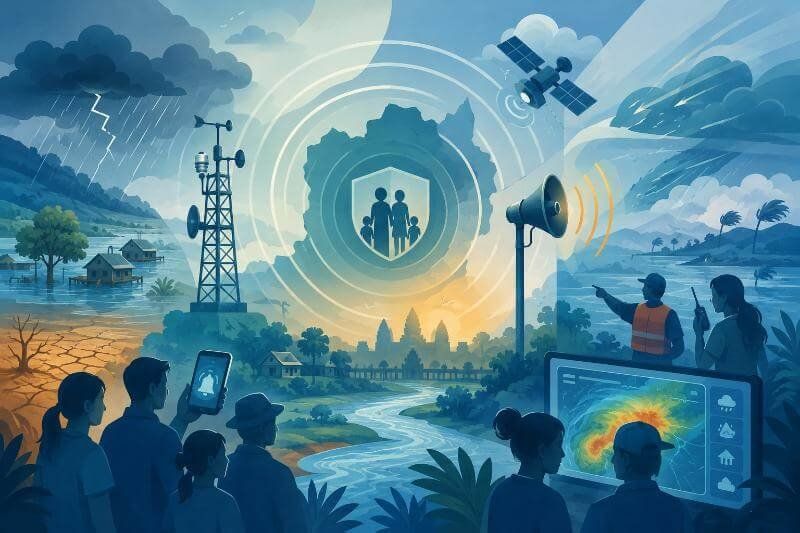
From a Cambodian perspective, climate signals are deeply personal. Farmers adjust planting schedules. Coastal communities monitor tides and temperatures. Cities prepare for hotter, longer summers.
Cambodia’s response increasingly focuses on adaptation—strengthening infrastructure, protecting ecosystems, and diversifying economic activity to reduce climate vulnerability.
These efforts are not isolated; they align with broader regional trends toward resilience and preparedness.
A Regional Moment of Adjustment
Early 2026 has underscored a shared reality across Asia: climate signals are accelerating, but so is regional adaptation. Economic resilience, particularly in large economies like India, helps stabilise markets and travel flows during periods of uncertainty.
For Cambodia, this regional balance matters. It allows the country to plan, adapt, and participate in a future shaped by both climate awareness and economic connectivity.
Heatwaves, marine ecosystem stress, and extreme weather events in early 2026 are clear signals of a changing climate. For Southeast Asia and Cambodia, these changes are reshaping markets, travel patterns, and livelihoods.
At the same time, regional resilience—supported by economies like India—offers stability amid uncertainty. Seen through a Cambodian lens, the path forward lies in adaptation, cooperation, and smart use of technology.
By combining traditional environmental knowledge with AI-driven climate intelligence, Cambodia can remain resilient, connected, and prepared in a world where climate and economy are increasingly inseparable.
Also Read: What the 2026 World Economic Forum in Davos Means for Global and ASEAN Economies