Helen Keller International has praised Cambodia for making notable progress in improving its nutrition systems and food security initiatives, highlighting the country’s efforts to strengthen agricultural production and public health programmes.
According to reports, the organisation recognised Cambodia’s advances in transforming its food systems, particularly in sectors such as rice and cashew nut production, which are seen as important contributors to national nutrition and economic development.
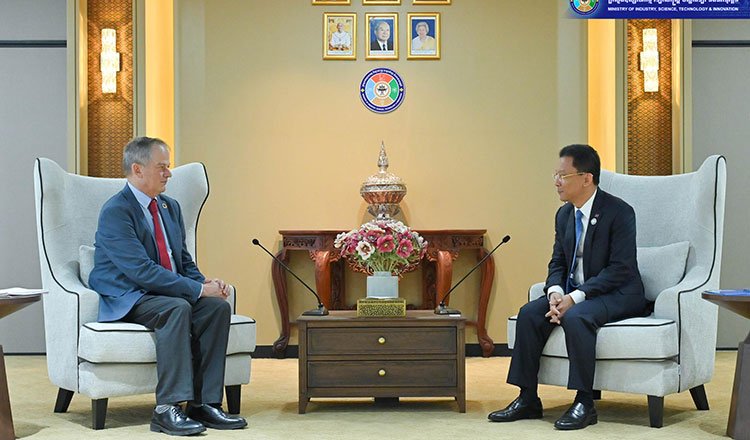
The remarks were made during discussions with Cambodian officials focused on strengthening collaboration to improve nutrition outcomes across the country.
Strengthening Food Security and Public Health
Cambodia has implemented several policies aimed at improving nutrition, particularly for vulnerable groups such as children and pregnant women. International partners, including Helen Keller International, have worked alongside government agencies to support nutrition programmes and strengthen food systems.
Since the early 1990s, the organisation has collaborated with Cambodian institutions to improve nutrition, increase food security, and support community-based health programmes. These initiatives include distributing essential nutrients, promoting breastfeeding and maternal health, and encouraging the production of nutritious foods at the household level.
Despite progress, nutrition challenges remain in some areas. Studies indicate that approximately 22% of Cambodian children under five experience stunting due to malnutrition, highlighting the continued need for targeted nutrition interventions.
Partnership Between Government and Development Organisations
Officials emphasised that cooperation between international organisations, government institutions, and development partners plays an important role in addressing nutrition challenges.
Such partnerships support programmes that focus on nutrition education, agricultural productivity, and food system resilience, particularly in rural communities where access to diverse and nutritious foods may be limited.
These collaborative efforts aim to strengthen long-term food security while supporting Cambodia’s broader development goals.
Potential Economic and Real Estate Implications
Improvements in nutrition and food systems can also influence broader economic development. Increased agricultural productivity and food processing activities may create opportunities for agro-industrial facilities, storage infrastructure, and logistics networks.
Growth in the agriculture and food sectors may drive demand for industrial land, warehousing, and supporting commercial infrastructure, particularly in provinces with strong agricultural output.
In addition, improved food security and rural development initiatives can contribute to regional economic stability, which may indirectly support housing demand and local commercial real estate growth.
Also Read: A Changing Moment in the Global Cashew Trade