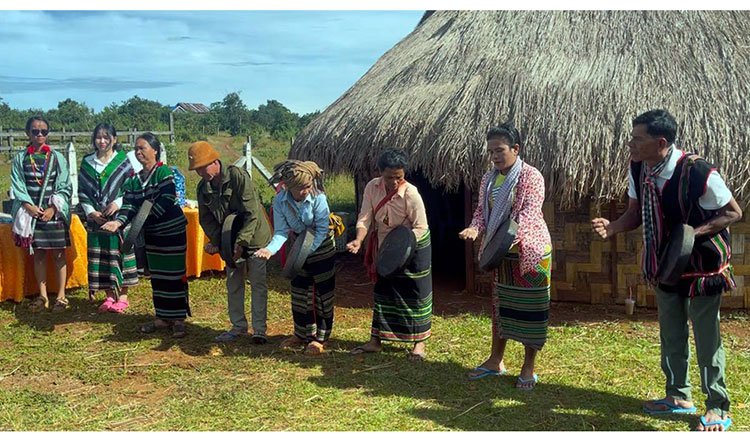
Efforts are increasing in Cambodia’s northeast highland provinces to preserve indigenous traditional dances that form an important part of the cultural identity of ethnic communities. Local leaders, cultural organisations, and community groups are working to ensure that these traditions continue to be practiced and passed down to younger generations.
In provinces such as Mondulkiri, traditional dances and music performed by indigenous groups like the Punong community are considered an essential part of local heritage and social life. These performances are often presented during festivals, ceremonies, and tourism events.
Community representatives say that preserving these cultural practices has become increasingly important as fewer young people are learning the traditional skills required to perform the dances.
Cultural Significance of Indigenous Dances
Traditional dance and music play a major role in community life in Cambodia’s highland regions.
These performances often represent:
- Cultural identity and spiritual traditions
- Community celebrations and festivals
- Welcoming ceremonies for visitors and tourists
- Storytelling through music and movement
Local leaders have described these traditions as a form of “green gold,” highlighting their cultural value and potential contribution to tourism.
Challenges Facing Cultural Preservation
Communities in northeastern provinces have identified several challenges in preserving traditional dances.
Key concerns include:
- Declining interest among younger generations
- Limited training opportunities for new performers
- Lack of financial and educational resources
- Fewer cultural events and performances in villages
Cultural groups have emphasised the importance of creating training programmes that allow elders to pass on their knowledge and skills to younger members of the community.
Tourism and Cultural Economy Impact
Preserving indigenous performing arts can also support Cambodia’s tourism sector, particularly in cultural and ecotourism destinations.
Potential impacts include:
- Growth of community-based tourism experiences
- Increased cultural tourism in highland provinces
- Development of local cultural centres and event spaces
- Expansion of hospitality and tourism infrastructure
Tourism programmes that include traditional performances help introduce visitors to the cultural heritage of indigenous communities while supporting local livelihoods.
Cultural Heritage Overview
| Aspect | Details |
|---|---|
| Region | Northeast Cambodia (Mondulkiri and highland provinces) |
| Communities | Indigenous groups including Punong |
| Cultural Elements | Traditional dances, music, festivals |
| Key Concern | Declining youth participation |
| Preservation Goal | Protect cultural identity and heritage |
Outlook
Government agencies and cultural organisations continue to encourage initiatives that promote indigenous performing arts. Strengthening training programmes and cultural events may help ensure that traditional dances remain an active part of community life while also supporting cultural tourism development in Cambodia.
Also Read: Cambodia and Singapore Foreign Ministers Pledge to Deepen Bilateral Ties