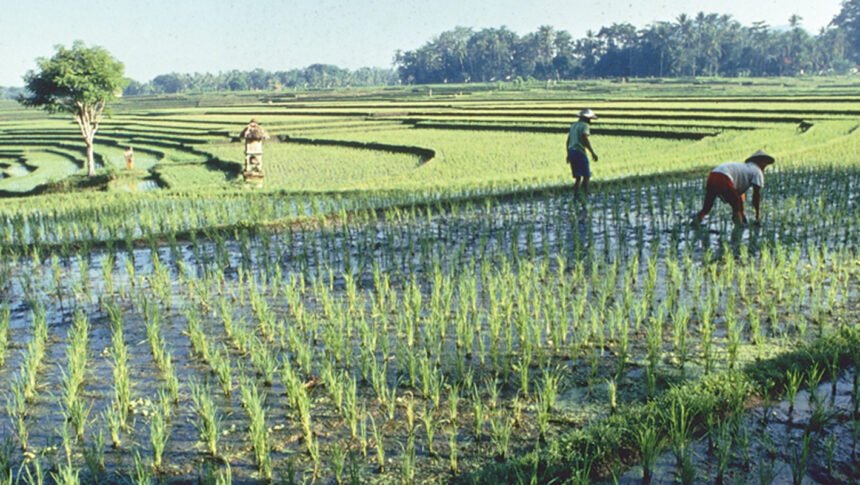
For generations of Cambodians, rice has been more than a crop. It has been a symbol of survival, culture, and daily life. From the flooded paddies of Battambang to the fertile plains of Prey Veng, rice has fed families and shaped rural communities. Today, that same grain is also becoming one of Cambodia’s strongest voices in global trade—especially through expanding exports to China under the Regional Comprehensive Economic Partnership (RCEP) and Cambodia’s bilateral Free Trade Agreements (FTAs).
This shift is quietly transforming Cambodian agriculture, linking village harvests to one of the world’s largest food markets.
Cambodia’s Trade Framework in a Changing Region
Cambodia’s participation in RCEP, along with its Free Trade Agreement with China, has placed the country inside one of the largest trade networks in the world. These agreements reduce tariffs, simplify customs procedures, and create predictable rules for exporters.
This strategic positioning has strengthened Cambodia’s access to Asian markets, a role explained in Cambodia’s RCEP Advantage and Why the World Should Pay Attention Now
For Cambodia, this matters deeply because agriculture remains a major source of employment and rural income.
Why Rice Is at the Centre of the Strategy
Rice remains Cambodia’s most important agricultural export. Millions of farmers depend on it, and it connects the largest share of rural households to international trade.
China’s vast demand for high-quality rice has created a major opportunity. Under the Cambodia–China FTA and RCEP, Cambodian rice benefits from reduced tariffs and smoother market access, making it more competitive than supplies from many other countries.
This trade integration supports Cambodia’s broader export-led growth strategy, which is increasingly shaping the country’s economic direction.
From Cambodian Fields to Chinese Markets
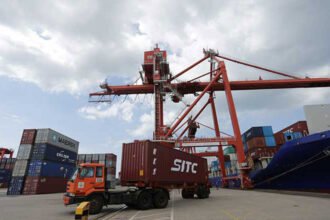
Trade agreements reduce the cost and complexity of moving rice from Cambodian paddies to Chinese consumers. Lower tariffs, harmonised standards, and faster customs clearance help ensure that rice reaches markets quickly and competitively.
For Cambodian farmers, this creates stability. Predictable export demand allows them to invest in better seeds, machinery, and farming practices.
Strengthening Cambodia’s Agricultural Infrastructure
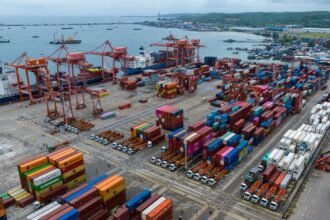
Export growth has encouraged investment in rice mills, storage facilities, and logistics networks across the country. These improvements reduce post-harvest losses and increase farm incomes.
They also reinforce Cambodia’s reputation as a dependable supplier of agricultural products—an important factor in attracting further trade and investment partnerships.
Market Diversification and Risk Reduction
While China is a major destination, Cambodia’s trade agreements allow rice to be exported across the wider RCEP region as well. This reduces dependence on a single buyer and strengthens Cambodia’s resilience in global markets.
These trade-driven links help embed Cambodia more deeply into Asia’s food supply chains.
What This Means for Rural Cambodia
Higher rice exports mean stronger demand and better prices for farmers. This supports education, healthcare, and investment in rural communities, turning trade policy into real-world development.
Cambodia’s growing role in Asian food trade is also strengthening its international standing, a theme reflected in how the country is increasingly recognised as a reliable regional partner.
Cambodia’s Role in Regional Food Security
By supplying rice to China and other Asian markets, Cambodia contributes to regional food security. This enhances its strategic importance and opens doors to future cooperation in agriculture and trade.
RCEP and Cambodia’s Free Trade Agreements are reshaping the country’s agricultural exports, with rice to China standing at the centre of this transformation. By lowering trade barriers and improving market access, these agreements help Cambodian farmers connect their harvests to one of the world’s largest food markets.
Seen through a Cambodian lens, this is a story of continuity and progress—where a grain that has always sustained the nation now also carries it confidently into the global economy.
Also Read: Cambodia Delays 20% Capital Gains Tax on Real Estate to 2027