Cambodia is standing at an important turning point. The country is growing fast, factories are opening, new energy projects are being built, and the digital economy is expanding every year. But behind every successful industry, there must be people with the right skills. This is where short-term technical education makes a real difference.
What Short-Term Technical Education Really Means
Short-term technical education is simple in purpose but powerful in effect. These are skill-based training programs that last a few weeks or months, not years. They focus on what matters most—doing the job. A person can learn how to fix machines, wire electrical systems, assist in hospitals, or manage hotel operations in a short, practical, and focused course.
It’s not about long lectures or thick books. It’s about real tools, real practice, and real results. For young Cambodians who want to start earning sooner, this kind of education is often life-changing.
Why Cambodia Needs It Now
In the past two decades, Cambodia’s economy has evolved from being agriculture-driven to one with a mix of industries like manufacturing, construction, tourism, healthcare, logistics, and technology. As foreign companies set up plants and Special Economic Zones (SEZs) expand, demand for skilled workers is rising quickly.
Yet, many young people, especially in rural areas, still lack access to long-term university education. Short-term technical courses offer a practical bridge between opportunity and potential. A three-month program in machine maintenance, a six-month course in hotel management, or basic digital training can open doors to good jobs that were once out of reach.
This kind of education is not charity; it’s empowerment. It gives people the ability to shape their own future.
Skilled Jobs That Are Growing Fast
Cambodia’s industrial and service sectors are full of opportunities for those with the right skills. Here’s how short-term education connects to real jobs:
Manufacturing and Industry
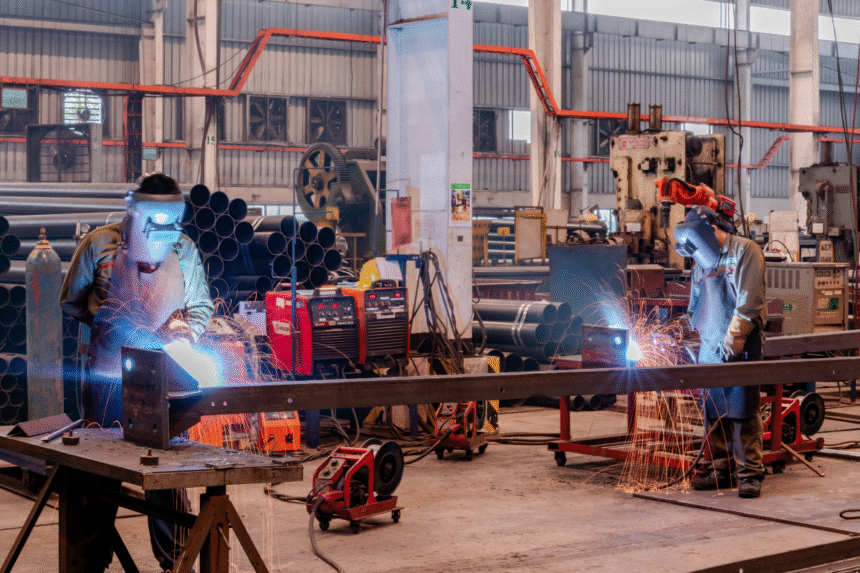
Cambodia’s factories are expanding, and they need CNC operators, welders, electricians, and machine technicians. A short course in industrial safety or basic electrical systems can secure long-term employment in these sectors.
Energy and Petroleum Refineries
With refineries and renewable energy projects developing, there is a need for mechanical fitters, energy technicians, pipeline operators, solar installers, and plant maintenance staff. Short training modules can prepare people for jobs that offer both technical experience and financial stability.
Healthcare and Medical Support
Hospitals, clinics, and laboratories need assistants, equipment handlers, and caregivers. These roles don’t require medical degrees—just the right technical training. A few months of focused learning can lead to work that saves lives and builds trust in communities.
Digital and Technology Jobs
Cambodia’s youth are quick learners when it comes to technology. Training in computer repair, web design, e-commerce, and online marketing can create a new generation of digital professionals and small business owners.
Construction and Infrastructure
As new roads, housing, and industrial parks appear across the country, demand for skilled construction workers, electricians, plumbers, and safety supervisors continues to rise. Technical training centers can prepare thousands for this essential work.
Hospitality and Tourism
Tourism remains a major part of Cambodia’s economy. Even short courses in food service, front office operations, or event management can lead to stable, well-paying jobs in hotels and resorts.
Transforming Lives Through Skills
What makes short-term technical education special is how quickly it changes lives. Someone from a small village can take a short training course and find work in a growing city. A young woman can learn solar installation and support her family. A school leaver can become a skilled technician instead of being unemployed.
These are not distant stories; they happen every day across the country. Each new skill learnt becomes a step toward independence.
A Pathway for Women and Rural Youth
Short-term training also helps balance opportunities between men and women. More women are joining fields like electrical work, computer design, and technical support, areas that were once considered out of reach. For rural youth, it offers a chance to stay in their communities instead of migrating abroad for low-wage work.
Strengthening the Economy from the Ground Up
When more people are skilled, every sector benefits. Factories run more efficiently, hospitals offer better care, digital startups grow faster, and Cambodia’s exports become more competitive. A skilled workforce builds investor confidence and ensures that progress reaches all corners of society.
Technical education also supports Cambodia’s move toward becoming a regional manufacturing and logistics hub. Skilled technicians, operators, and supervisors are the foundation for industries like automotive assembly, food processing, electronics, and renewable energy.
Looking Ahead
The next decade will define Cambodia’s place in the regional economy. Investing in short-term technical education means investing in people who can turn plans into progress. These are not temporary fixes; they are long-term foundations for prosperity.
Every trained worker is a story of resilience, effort, and pride. With the right skills, Cambodia’s youth can lead the nation’s transformation from the workshop floor to the digital cloud.
Short-term technical education is not a lesser form of learning. It’s practical, inclusive, and powerful. It connects ambition with opportunity. It helps Cambodia build not just industries, but lives filled with purpose, confidence, and growth.
If education is the engine of development, then skills are its fuel—and Cambodia has both the people and the passion to move forward.