Every year on January 7, Cambodia pauses—not in celebration, but in remembrance. Victory over Genocide Day marks the end of the Khmer Rouge regime in 1979, closing one of the most painful chapters in Cambodian history. For many Cambodians, the date is not only a historical milestone but a deeply personal moment tied to family loss, survival, and the long journey toward rebuilding a nation.
From cities to rural villages, the day carries quiet significance. It is a time to remember those who did not survive, to honour resilience, and to reflect on how the past continues to shape Cambodia’s present and future.
A Turning Point in Cambodia’s History
Between 1975 and 1979, Cambodia endured extreme hardship under the Khmer Rouge, led by Pol Pot. During this period, millions of Cambodians were displaced, forced into labour, separated from families, and subjected to widespread violence. Almost every Cambodian family carries a story from those years—of loss, separation, or survival against overwhelming odds.
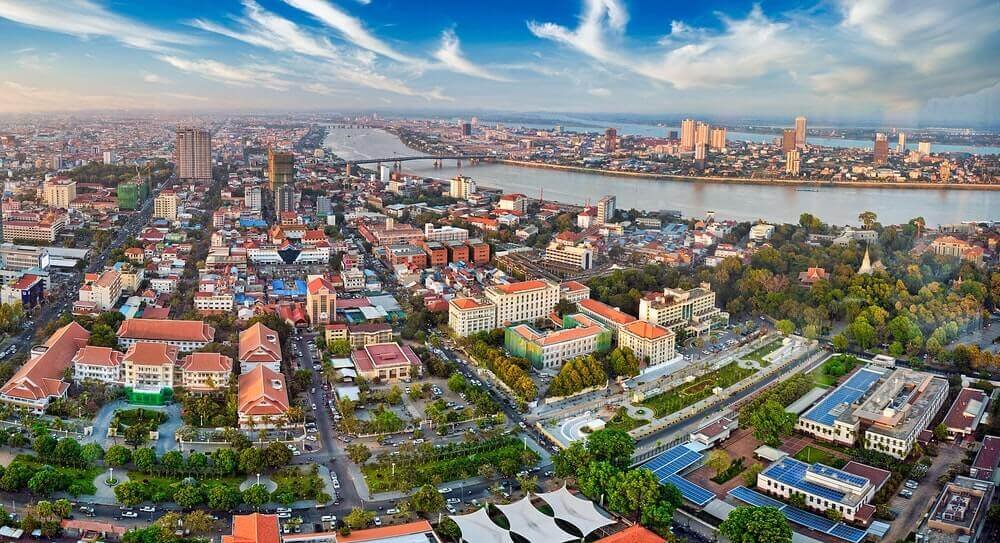
On January 7, 1979, the fall of Phnom Penh marked the collapse of the regime. For those who lived through it, the day signified more than a change of power. It meant the end of fear that had defined daily life and the beginning of an uncertain but hopeful path forward.
Victory over Genocide Day stands as a reminder of that moment when survival turned into possibility.
How Cambodians Observe January 7
Victory over Genocide Day is observed nationwide, but its tone is reflective rather than festive. In Phnom Penh, official ceremonies are held at monuments and public spaces, where leaders, civil servants, and citizens gather to remember the past and reaffirm commitments to peace and stability.
Across the country, schools and local communities also take part in remembrance. Teachers speak to students about the importance of understanding history—not as distant events, but as lived experiences that shaped parents, grandparents, and the society they live in today.
For older generations, January 7 often brings quiet remembrance at home or visits to memorial sites. For younger Cambodians, it is a day to listen, learn, and connect with stories that are not always written in textbooks.
Memory Carried Through Places
Cambodia’s collective memory of the genocide is preserved not only through words but through places that continue to speak without voices.
Sites such as Tuol Sleng Genocide Museum, once a school turned prison, and Choeung Ek Killing Fields stand as physical reminders of what occurred. On Victory over Genocide Day, these locations often see Cambodians paying respects—laying flowers, standing in silence, or guiding younger family members through history that is difficult but necessary to confront.
For many, these visits are acts of remembrance rather than tourism. They serve as spaces where grief, education, and reflection intersect.
A Day Rooted in Survival, Not Celebration
From a Cambodian perspective, Victory over Genocide Day is not about triumph in the conventional sense. It is about survival. It recognises the strength of those who lived through years of hunger, loss, and fear, and who then faced the immense task of rebuilding their lives and communities.
In villages and towns across Cambodia, the legacy of the genocide is still visible in family structures, population gaps, and collective memory. January 7 is a reminder of how far the country has come—and how fragile peace can be if history is forgotten.
Passing Memory to the Next Generation
One of the most important roles of Victory over Genocide Day is education. As Cambodia continues to grow and modernise, there is a strong emphasis on ensuring that younger generations understand the past without being defined by it.
Schools, universities, and media outlets use the occasion to share survivor stories, historical documentation, and discussions about peace and reconciliation. These efforts help bridge the gap between generations—allowing memory to be carried forward with understanding rather than fear.
Cambodia Today: Reflection and Responsibility
Victory over Genocide Day also invites reflection on Cambodia’s present. The country has undergone significant social and economic change since 1979. While challenges remain, the stability enjoyed today stands in contrast to the uncertainty of the past.
For many Cambodians, January 7 reinforces a shared responsibility: to protect peace, promote understanding, and ensure that the experiences of the genocide are never repeated. The day is both a remembrance of loss and a reminder of the value of unity.
Victory over Genocide Day holds a unique place in Cambodia’s national consciousness. Observed each year on January 7, it reflects the pain of the past, the strength of survivors, and the resilience of a nation that endured unimaginable hardship.
Seen through Cambodian eyes, the day is less about marking history and more about honouring memory—quietly, respectfully, and collectively—while looking forward with caution, dignity, and hope.
Also Read: Every Corner Tells a Story: Life on the Streets of Phnom Penh