Every year on World Wetlands Day, attention turns to landscapes that often exist quietly at the edges of rivers, lakes, and coastlines. Wetlands are not always dramatic or instantly recognisable, yet they are among the most productive and life-supporting ecosystems on Earth. For Cambodia, a country shaped by water, wetlands are not an abstract environmental concept—they are part of everyday life, culture, and economic resilience.
- What Is World Wetlands Day?
- Why Wetlands Matter More Than We Often Realise
- Cambodia: A Nation Shaped by Wetlands
- Wetlands and the Rise of Ecotourism
- Cambodia’s Wetlands as a Draw for Nature Lovers
- Community-Led Wetland Tourism
- Climate, Wetlands, and Resilience
- Wetlands, Tourism, and a Balanced Path Forward
Seen from a Cambodian perspective, World Wetlands Day is not only about global awareness. It is a moment to recognise how wetlands sustain livelihoods and how, if cared for wisely, they can also shape the future of ecotourism.
What Is World Wetlands Day?
World Wetlands Day is observed each year on 2 February, marking the anniversary of the Ramsar Convention on Wetlands, an international agreement adopted in 1971 to promote the conservation and sustainable use of wetlands worldwide.
The day highlights the role wetlands play in:
- Supporting biodiversity
- Regulating water systems
- Protecting communities from floods
- Sustaining food systems and livelihoods
Across the world, wetlands are disappearing faster than any other ecosystem. World Wetlands Day serves as a reminder that protection and responsible use must go hand in hand.
Why Wetlands Matter More Than We Often Realise
Wetlands act as natural filters, absorbing pollutants and improving water quality. They store carbon, helping regulate climate impacts, and provide breeding grounds for fish, birds, and countless other species.
In Southeast Asia, wetlands are closely tied to food security. Fisheries, rice cultivation, and seasonal agriculture all depend on healthy wetland systems.
For Cambodia, wetlands are not peripheral landscapes. They are central to how the country functions—ecologically, culturally, and economically.
Cambodia: A Nation Shaped by Wetlands
Cambodia’s geography is defined by water. The Tonlé Sap, Southeast Asia’s largest freshwater lake, expands and contracts with the seasons, creating one of the world’s most productive wetland systems. This natural rhythm supports fisheries, floating villages, and migratory birds, shaping life for millions of people.
Beyond Tonlé Sap, wetlands stretch across the country:
- Floodplains along the Mekong
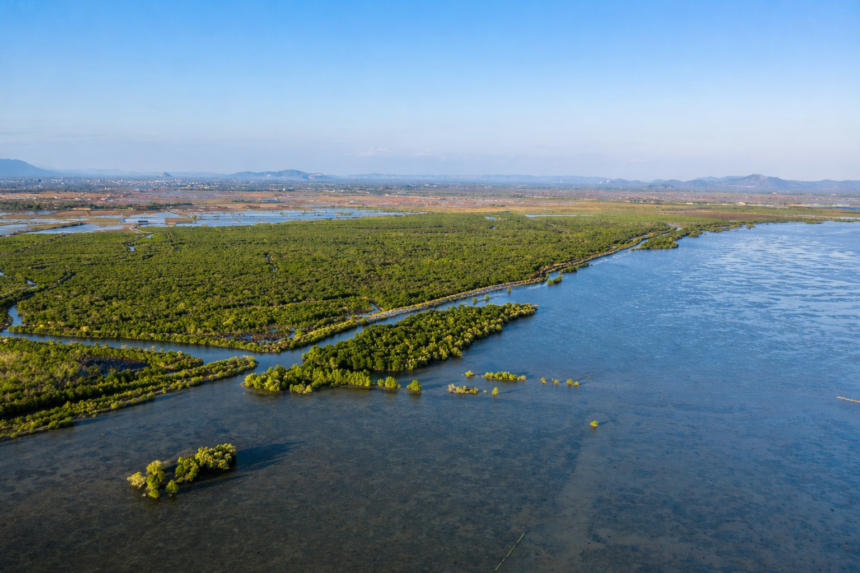
- Mangroves in Koh Kong
- Marshes, swamps, and river deltas inland
These ecosystems are living classrooms of adaptation and balance.
Wetlands and the Rise of Ecotourism
As global travel preferences shift, many travellers are seeking experiences that are slower, nature-based, and meaningful. Wetlands naturally lend themselves to this kind of tourism.
Wetland ecotourism offers:
- Birdwatching and wildlife observation
- Boat journeys through mangroves and flooded forests
- Cultural encounters in water-based communities
- Educational travel focused on conservation
For Cambodia, wetlands provide an opportunity to diversify tourism beyond temples and cities—without losing authenticity.
Cambodia’s Wetlands as a Draw for Nature Lovers
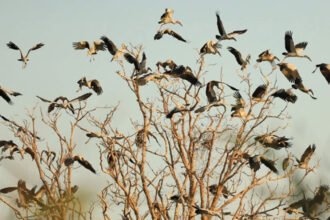
Cambodia’s wetlands attract visitors interested in nature, photography, and conservation. Seasonal bird migrations bring rare species. Mangrove waterways offer quiet exploration. Floating communities provide insight into lives shaped by water rather than land.
What makes Cambodian wetlands special is not just biodiversity, but human connection. These landscapes are lived in, worked in, and respected—not staged for tourism.
From a Cambodian viewpoint, this authenticity is a strength. It allows ecotourism to grow organically, guided by local knowledge rather than mass development.
Community-Led Wetland Tourism
Many wetland-based tourism initiatives in Cambodia are community-run. Local guides lead boat tours, manage visitor access, and share traditional ecological knowledge. Income from visitors often supports conservation, education, and local infrastructure.
This model aligns closely with global ecotourism principles:
- Low environmental impact
- Local economic benefit
- Cultural respect
- Long-term sustainability
World Wetlands Day reinforces the importance of protecting these community-led approaches.
Climate, Wetlands, and Resilience
Wetlands play a critical role in climate adaptation. They absorb excess water during floods, reduce erosion, and buffer communities from storms. As climate patterns become more unpredictable, wetlands offer natural protection that infrastructure alone cannot replace.
For Cambodia, safeguarding wetlands is directly linked to national resilience. Healthy wetlands reduce disaster risk while supporting food systems and tourism livelihoods.
Wetlands, Tourism, and a Balanced Path Forward
World Wetlands Day is a reminder that conservation and development do not need to stand in opposition. Wetlands show how careful use can strengthen both ecosystems and economies.
For Cambodia, wetlands offer a path to tourism that is:
- Environmentally responsible
- Culturally grounded
- Economically inclusive
- Resilient to future challenges
This balance reflects values deeply rooted in Cambodian society—respect for nature, community, and continuity.
World Wetlands Day invites the world to look again at landscapes that quietly sustain life. In Cambodia, wetlands are not hidden or distant. They are woven into daily existence, history, and identity.
As ecotourism grows and travellers seek deeper connections with nature, Cambodia’s wetlands stand ready—not as commodities, but as living systems worth protecting. Seen through Cambodian eyes, caring for wetlands is not just an environmental duty. It is an investment in culture, resilience, and a future where nature and people continue to thrive together.
Also Read: Invest-Hub Forum 2026: Positioning Cambodia at the Heart of Regional Investment Flows