Cambodia has introduced new national guidelines to protect and sustainably manage its limestone cave systems, marking an important step in safeguarding the Kingdom’s natural heritage. The initiative reflects a growing national focus on environmental protection and responsible tourism, themes frequently covered in Cambodia news.
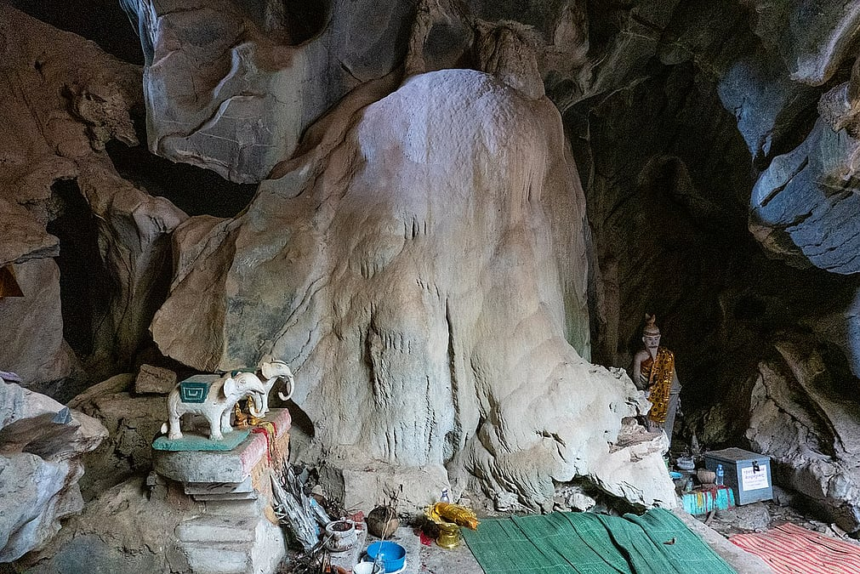
Titled Cambodian Caves: Guidelines for Sustainable Development and Management, the framework was developed by Fauna & Flora-Cambodia in partnership with the Ministry of Environment. It represents the country’s first comprehensive policy dedicated exclusively to cave conservation. Cambodia’s caves, found across provinces such as Battambang and Kampot, are ecologically significant, hosting rare bat species, unique invertebrates, and fragile underground ecosystems. Many also hold deep cultural, spiritual, and archaeological value for local communities.
Despite their importance, these caves have remained largely under-studied and insufficiently regulated. Growing tourism, quarrying activities, and unplanned infrastructure development have increasingly threatened these sensitive environments. The new guidelines aim to address these challenges by promoting controlled access, protecting key wildlife habitats, and encouraging low-impact tourism models that support local livelihoods. Similar sustainability-driven initiatives are often highlighted in featured stories that showcase Cambodia’s development progress.
A key pillar of the framework is community engagement combined with scientific research. The guidelines call for detailed cave mapping, biodiversity assessments, and long-term environmental monitoring to guide conservation efforts. They also stress the importance of education and awareness programs to encourage responsible behavior among visitors and stakeholders.
Experts believe the guidelines will help balance conservation with economic growth, particularly as Cambodia strengthens its eco-tourism appeal under initiatives promoted through Visit Cambodia. By protecting these underground landscapes, the Kingdom aims to preserve its caves as a lasting natural and cultural legacy for future generations.