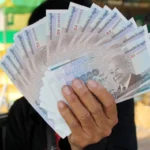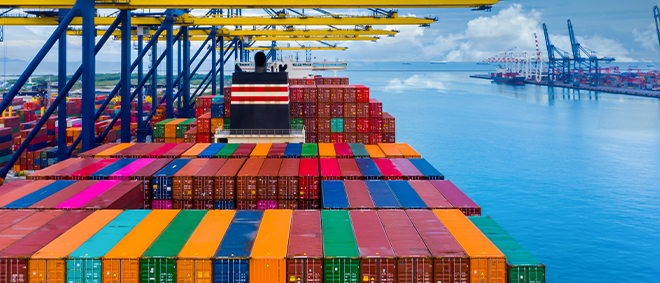
For countries like Cambodia, global trade shifts are rarely felt first in boardrooms or headlines. They are felt in factories adjusting production schedules, in ports handling fluctuating shipments, and in households whose incomes depend on export-driven industries. As trade and tariff dynamics between the United States and Europe continue to evolve, Southeast Asia finds itself increasingly shaped by decisions made far beyond the region.
- Understanding the Changing U.S.–Europe Trade Landscape
- Why Southeast Asia Is Closely Watching These Shifts
- Tariffs and the Reconfiguration of Supply Chains
- Cambodia’s Place in a Shifting Trade Environment
- Supply Chain Resilience and Regional Integration
- Standards, Sustainability, and Compliance
- Opportunities and Pressures for ASEAN Economies
- What This Means for Cambodian Businesses and Workers
- Looking Ahead: Southeast Asia in a Fragmented World
Seen from Cambodia, these changes are not distant economic debates. They are signals—subtle but powerful—about where supply chains may move next, how markets may shift, and what opportunities or pressures could emerge for regional economies.
Understanding the Changing U.S.–Europe Trade Landscape
The economic relationship between the United States and the European Union has long been a pillar of global trade. However, recent years have seen adjustments driven by geopolitical considerations, industrial policy, climate regulations, and strategic competition.
Changes in tariffs, regulatory standards, and trade incentives are influencing how companies source materials, manufacture goods, and choose export destinations. While these measures are often aimed at strengthening domestic industries, they also create ripple effects across global supply chains.
For Southeast Asia, those ripples are increasingly significant.
Why Southeast Asia Is Closely Watching These Shifts
Southeast Asia occupies a critical position in global manufacturing and trade. The region serves as both a production base and a transit hub linking major markets in Asia, Europe, and North America.
When U.S.–Europe trade relations tighten or shift focus, companies reassess risk, cost, and reliability. This has encouraged many firms to diversify supply chains away from overconcentration, a process that has quietly benefited ASEAN economies.
For Cambodia, this trend reinforces its growing role within regional manufacturing networks—particularly in garments, footwear, travel goods, and light manufacturing.
Tariffs and the Reconfiguration of Supply Chains
Tariff changes between major economies often accelerate supply chain restructuring. When goods face higher duties or stricter rules in one corridor, companies look for alternative production or assembly locations.
Southeast Asia has emerged as one such alternative. Countries within ASEAN offer:
- Competitive labour costs
- Strategic proximity to major Asian markets
- Expanding trade agreements
- Improving logistics infrastructure
For Cambodia, tariff-driven diversification has translated into steady demand from global buyers seeking flexible and cost-effective production options.
Cambodia’s Place in a Shifting Trade Environment
Cambodia’s export-driven economy makes it particularly sensitive to global trade adjustments. While the country does not directly shape U.S.–Europe tariff policy, it is affected by how those policies influence sourcing decisions.
In Phnom Penh, trade and industry planners closely monitor global signals. When European or American buyers diversify suppliers, Cambodian factories often see new orders or expanded partnerships.
For workers and communities, these shifts can mean greater employment stability—but also the need to adapt to changing standards, compliance requirements, and timelines.
Supply Chain Resilience and Regional Integration
One of the key lessons from changing U.S.–Europe dynamics is the importance of resilience. Companies are no longer optimising solely for cost; they are also prioritising reliability, transparency, and flexibility.
This has increased interest in regional supply chains within Southeast Asia. ASEAN integration allows components, materials, and finished goods to move more efficiently across borders.
For Cambodia, regional connectivity enhances its ability to participate in multi-country production networks, strengthening its relevance even as global trade patterns evolve.
Standards, Sustainability, and Compliance
Beyond tariffs, regulatory alignment between the U.S. and Europe—particularly around sustainability, labour standards, and environmental compliance—has indirect effects on Southeast Asian exporters.
Manufacturers in Cambodia increasingly align with international standards to maintain access to Western markets. This requires investment in compliance systems, workforce training, and transparent sourcing.
From a Cambodian perspective, these requirements are challenging but also transformative. They encourage long-term improvements in quality, safety, and sustainability across industries.
Opportunities and Pressures for ASEAN Economies
Changing U.S.–Europe trade dynamics create both opportunity and pressure for Southeast Asia. On one hand, supply chain diversification brings investment, technology transfer, and employment. On the other, increased scrutiny and competition demand higher performance and adaptability.
For ASEAN economies, including Cambodia, success depends on:
- Maintaining trade openness
- Strengthening infrastructure and logistics
- Supporting workforce development
- Ensuring regulatory clarity
These factors help the region remain attractive as global supply chains continue to evolve.
What This Means for Cambodian Businesses and Workers
For Cambodian businesses, global trade shifts translate into practical decisions—capacity expansion, compliance upgrades, and diversification of clients. For workers, these shifts influence job availability, skill requirements, and income stability.
The connection between distant tariff decisions and local livelihoods highlights Cambodia’s deep integration into the global economy. It also underscores the importance of adaptability in an era of change.
Looking Ahead: Southeast Asia in a Fragmented World
As U.S.–Europe trade relations continue to adjust, Southeast Asia is likely to remain a key beneficiary of supply chain rebalancing. However, this role comes with responsibility—to uphold standards, manage growth sustainably, and remain responsive to global expectations.
For Cambodia, the path forward lies in strengthening its position within ASEAN while remaining open to global partnerships shaped by evolving trade dynamics.
Changing trade, tariff, and supply chain dynamics between the United States and Europe are reshaping global commerce in subtle but far-reaching ways. For Southeast Asia, these shifts bring new relevance and responsibility.
Seen from Cambodia, the impact is both immediate and long-term—felt in factories, ports, and households connected to global markets. As trade patterns evolve, Cambodia’s experience reflects a broader regional story: one of adaptation, integration, and quiet resilience in a changing global economy.
Also Read: What the 2026 World Economic Forum in Davos Means for Global and ASEAN Economies