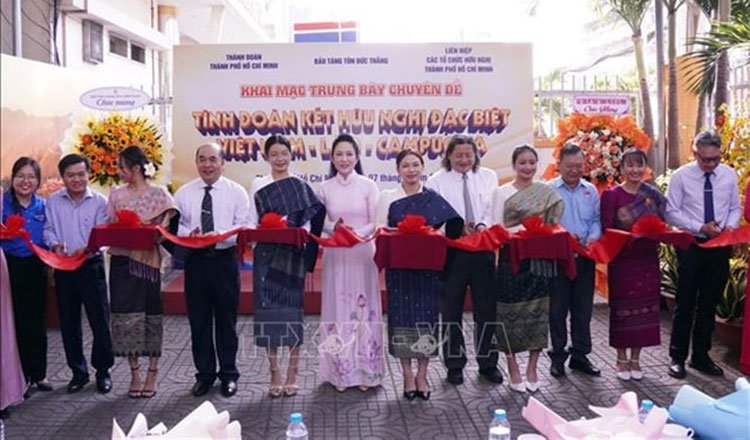
A thematic exhibition in Ho Chi Minh City is showcasing the long-standing historical ties between Vietnam, Laos and Cambodia, highlighting the shared history and cooperation among the three Southeast Asian nations. The exhibition presents more than 150 documents, photographs and artefacts illustrating the solidarity and collaboration developed across decades.
The event was organised by several cultural and educational institutions in the city and opened at a venue hosting Lao students in Ho Chi Minh City. The exhibition is intended to highlight the historical connections among the three countries and to promote awareness of regional cooperation among younger generations.
Marking Historical Milestones
The exhibition commemorates important historical milestones linked to the alliance between the three nations. It also coincides with the 75th anniversary of the united front alliance formed among the peoples of Vietnam, Laos and Cambodia in March 1951.
Through historical records and archival materials, the exhibition traces the shared struggles for national independence and the development of diplomatic and cultural cooperation in the decades that followed.
Officials noted that despite changing regional dynamics, the relationship between the three countries continues to expand across areas such as economic cooperation, cultural exchange, education and security collaboration.
Promoting Cultural Exchange and Youth Engagement
Organisers stated that the exhibition also aims to strengthen people-to-people ties by encouraging cultural understanding among students and visitors. Ho Chi Minh City hosts a number of Lao and Cambodian students, and similar initiatives are designed to promote cross-border educational and cultural connections.
Educational displays and historical narratives presented at the exhibition illustrate the role of solidarity and cooperation in shaping relations among the three neighbouring nations.
Potential Economic and Real Estate Implications
Regional cooperation and cultural exchange events can contribute to broader economic interactions among Southeast Asian countries. Such initiatives often support tourism activity, educational exchanges, and cross-border investment opportunities.
In major urban centres such as Ho Chi Minh City and Phnom Penh, increased regional engagement can also support the development of hospitality infrastructure, cultural venues, and mixed-use commercial developments designed to accommodate international visitors and events.
Strengthening regional partnerships may also encourage infrastructure projects and cross-border connectivity initiatives, which can influence long-term real estate and urban development trends in the region.
Also Read: Cambodia Boosts Environmental Partnership with World Bank