Digital Skills with Soul Why Cambodias Youth Are Ready for the Age of AI
By Jas Sohl
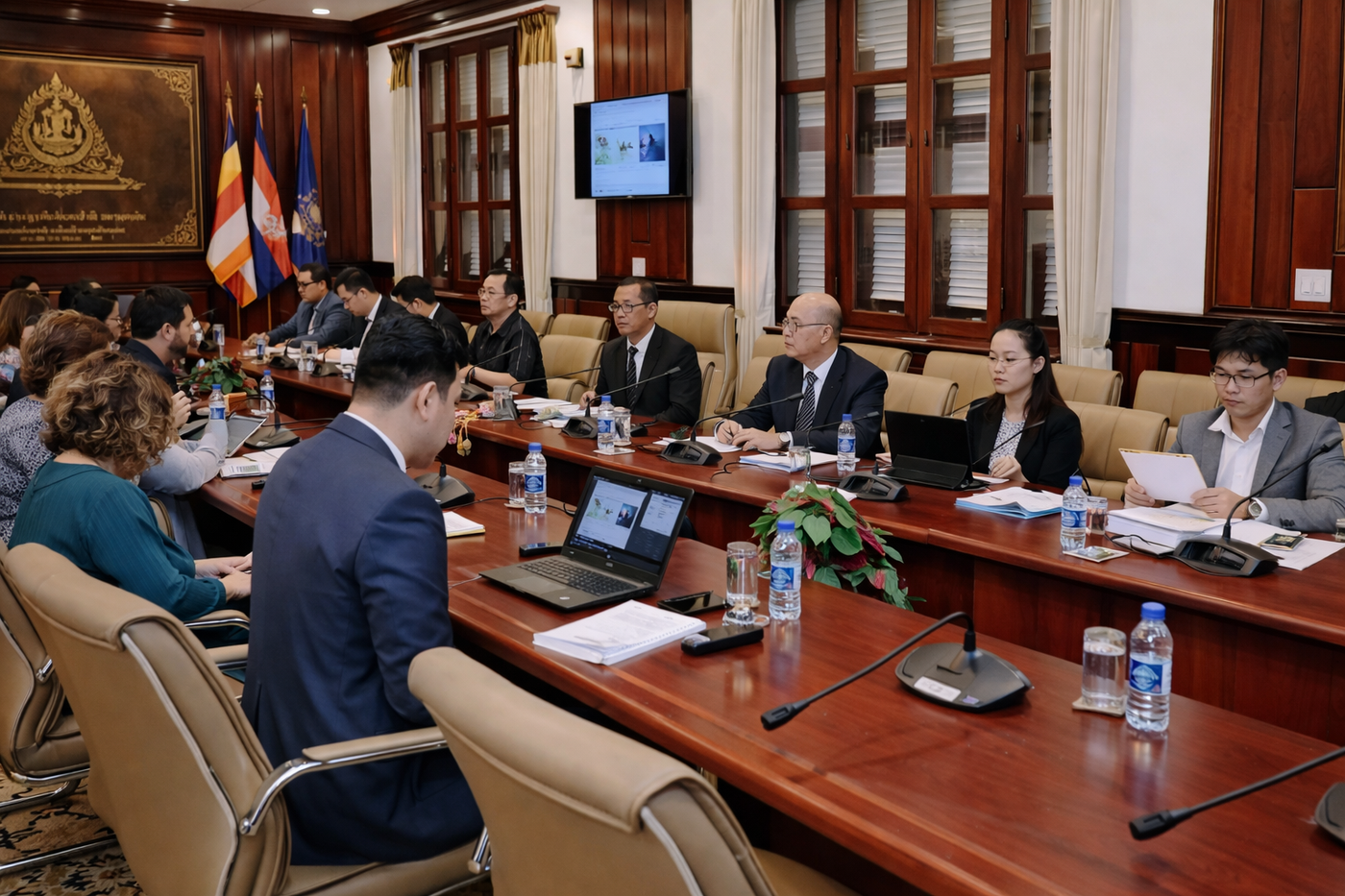
There are moments in development work when a country does something that stops you in your tracks. Not because it is surprising, exactly, but because it confirms everything you have quietly believed for years. For me, that moment came when Cambodia became the fourth country in South-East Asia to complete UNESCO’s AI Readiness Assessment, a rigorous exercise conducted by the Cambodia Academy of Digital Technology in collaboration with UNESCO, supported by the Ministry of Posts and Telecommunications, running from November 2024 through to May 2025. Twenty-six ministries participated. One hundred and seventy-six questions were answered. The work was thorough, honest, and bold.
I have been working alongside Cambodia since 2019, through water technology partnerships, investment initiatives, and climate development projects. I have watched this country make careful, considered choices about its future. So when I say that what Cambodia is doing in artificial intelligence genuinely impresses me, I mean that with the full weight of experience behind it.
The National AI Strategy 2025-2030 is not a document that chases technology for its own sake. Its vision is to use AI to increase productivity and generate added value, to uplift citizens’ quality of life, and to broaden sustainable and inclusive economic and social development. That framing matters. It places people at the centre, not machines. It asks what AI can do for Cambodians, not simply what Cambodians can do with AI.
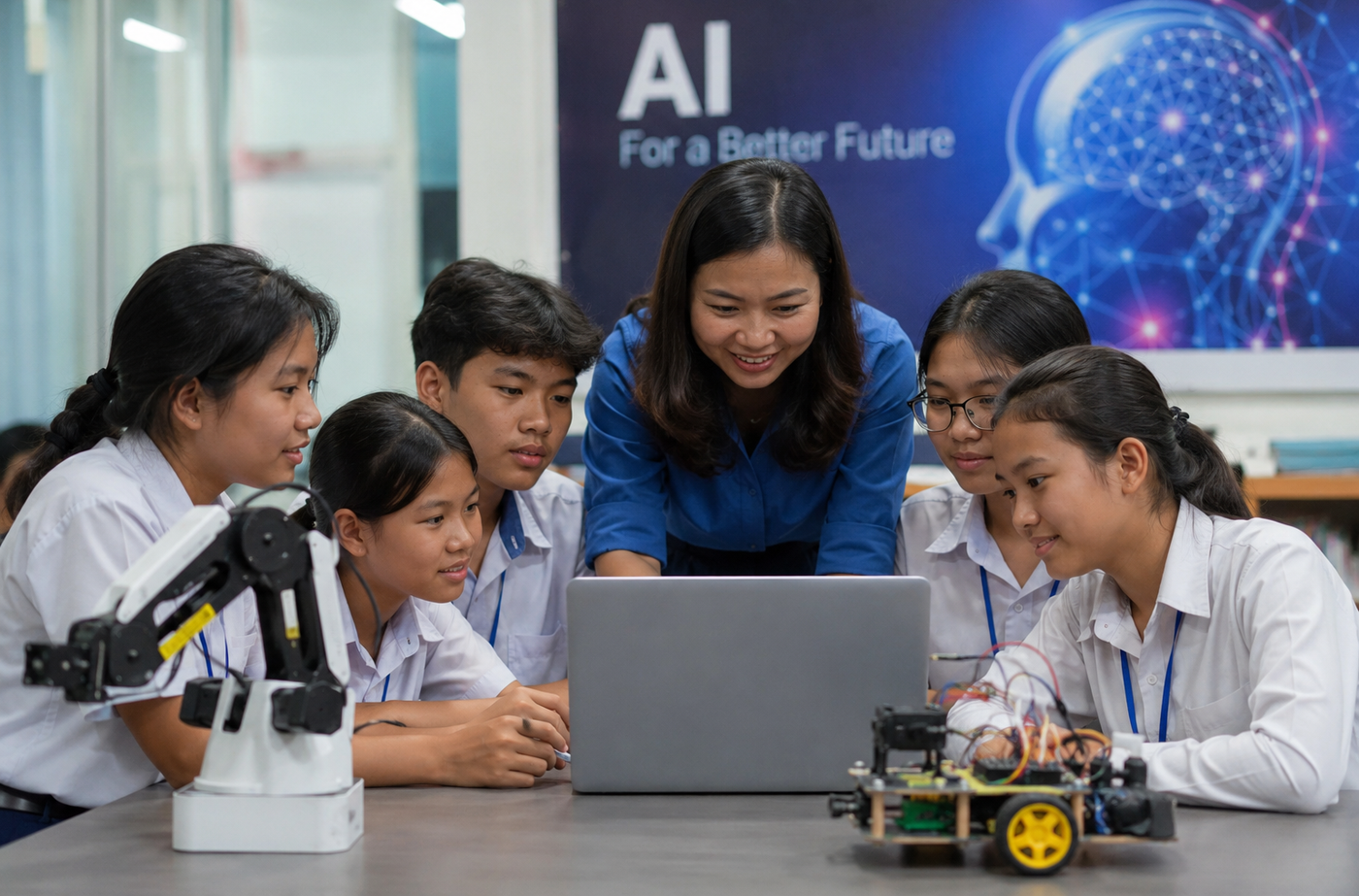
What strikes me most about the strategy is its first declared priority: human resource development. The goal is to train one thousand technical talents in AI and data science and to integrate AI meaningfully into every level of education. That is an ambitious target, and it is absolutely the right one to have. Skills are perhaps the only truly renewable resource a country has, and Cambodia has understood this clearly.
But the strategy goes further than technical training, and this is where I think Cambodia is genuinely ahead of many wealthier nations. Students at all levels are expected to strengthen critical thinking and to engage in collaborative, responsible use of AI. Protection against full reliance on AI is written explicitly into the strategy. This is not a country telling its young people to hand their minds over to algorithms. It is a country telling them to think harder, question more, and lead with judgment. That distinction is profound.
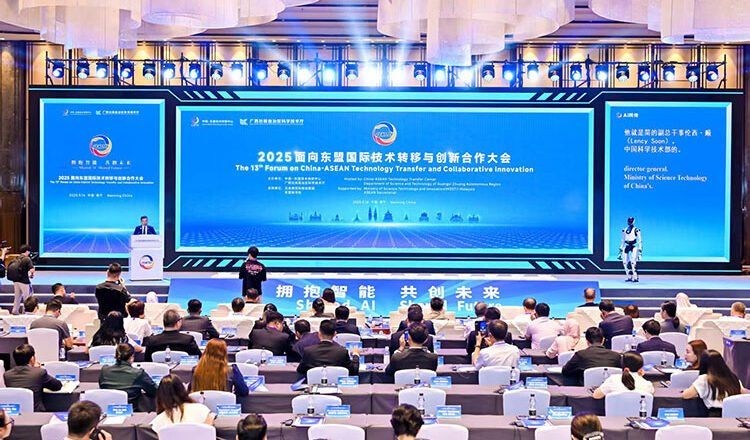
The Ministry of Education, Youth and Sport is working with UNESCO to adapt the AI Competency Frameworks for Teachers and Students to the Cambodian context. This is not copy-and-paste policy. It is localised, grounded work, designed to meet Cambodian students where they are. At universities across the country, AI tools are already in widespread use among students. The Techo Startup Center is cultivating a generation of young entrepreneurs who see innovation as a career path, not just an aspiration. CADT has pioneered Khmer natural language processing and hosted regional conferences that place Cambodia at the conversation table, not merely in the audience.
And then there is the Khmer Large Language Model. The development of a Khmer-language AI model is more than a technical achievement. It is a statement of cultural confidence. It says that Cambodia’s language, Cambodia’s voice, Cambodia’s identity belong in the age of AI. It says that modernity and heritage are not competing forces. That is a message the world needs to hear, particularly from a country with such a rich and complex history.
Inclusion is woven throughout this work. Special attention is being paid to women and girls, to people with disabilities, and to vulnerable groups. Cambodia’s commitment to the National AI Literacy Campaign, and the establishment of the ai.gov.kh hub as a platform for inclusive public learning, reflects a determination that digital progress should reach everyone, not only those already well-positioned to benefit. The Digital Skills Development Roadmap covering 2024 to 2035, and the Digital Park being established for research and innovation, are long-term commitments, not short-term gestures.
Ethics and responsibility are not afterthoughts in Cambodia’s approach. They are core pillars. The strategy explicitly addresses AI risk protection, responsible deployment, and the need for frameworks that guard against harm. In a global conversation that too often defaults to enthusiasm without caution, Cambodia is choosing a more mature path.
I have spent more than twenty-five years working in technology and impact investing. I have seen development strategies that were well-written but hollow, and strategies that were modest in language but serious in intent. Cambodia’s AI readiness work belongs firmly in the second category. It is grounded, inclusive, ethically anchored, and human-centred.
What Cambodia is building here is not merely infrastructure for a digital economy. It is the foundation of a generation that thinks critically, acts responsibly, and earns its place in the world on its own terms. That is something the international community should take seriously. I certainly do.