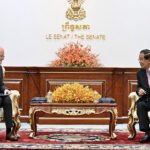
Senior Cambodian leaders have expressed support for a $10 million local tablet manufacturing project, marking a step toward strengthening the country’s technology manufacturing capabilities. The initiative is expected to establish a tablet assembly facility in Cambodia, aimed at producing affordable devices and expanding digital access for students, businesses, and the wider public.
The project represents an effort to promote local technology production and digital transformation, aligning with Cambodia’s broader push toward Industry 4.0 and a knowledge-based economy.
Project Scope and Production Plans
According to reports, the first phase of the investment will involve approximately $10 million in funding, which will be used to develop the initial tablet assembly operations. The facility is expected to produce thousands of units annually once operational.
The initiative aims to make digital devices more accessible, particularly for students and workers in the informal sector, while also encouraging the development of Cambodia’s technology ecosystem.
Government officials have welcomed the project as part of broader efforts to strengthen domestic production capacity and reduce reliance on imported digital devices.
Technology Sector Expansion in Cambodia
Cambodia has been gradually expanding its information and communication technology (ICT) sector, supported by rising internet penetration and growing demand for digital tools in education, business, and government services.
Local manufacturing initiatives such as this tablet project are seen as an opportunity to encourage technology entrepreneurship, digital innovation, and skills development within the country.
Officials noted that projects in electronics manufacturing could help diversify Cambodia’s economy, which has traditionally been driven by sectors such as garments, agriculture, tourism, and construction.
Potential Real Estate and Industrial Impact
Technology manufacturing initiatives can influence industrial real estate demand, particularly in areas designated for production and assembly facilities.
The establishment of a local tablet manufacturing plant may generate demand for industrial spaces, logistics facilities, and supporting commercial infrastructure. In addition, workforce requirements could create opportunities for nearby residential developments and service businesses.
Such investments may contribute to broader economic activity in Cambodia’s urban centres, particularly in Phnom Penh and surrounding industrial zones.
Also Read: German AfD Board Member Praises Cambodia’s Development During Visit