Cambodia Boosts Environmental Partnership with World Bank
Cambodia is strengthening its environmental partnership with the World Bank to support sustainability initiatives, climate resilience projects, and natural resource protection as part of the country’s long-term development strategy.
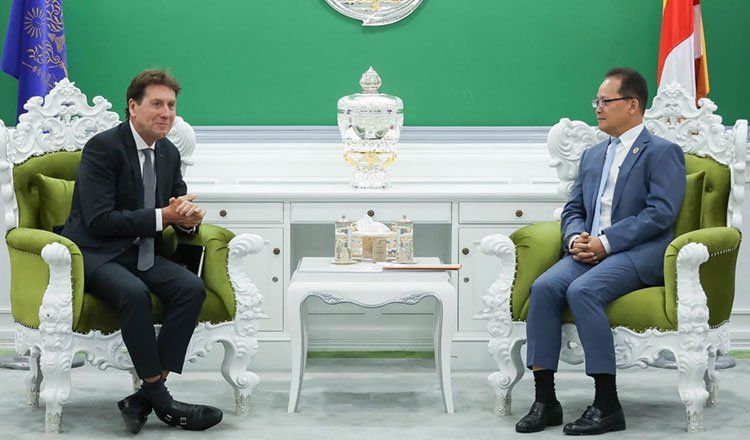
Cambodia is strengthening its collaboration with the World Bank to support environmental protection and sustainable development initiatives. The development comes following discussions between Cambodia’s Ministry of Environment and representatives from the World Bank, where both sides reviewed ongoing cooperation and explored future environmental programmes.
The meeting focused on strengthening cooperation in areas such as environmental management, climate resilience, and natural resource protection. Officials noted that continued engagement with international partners is important for supporting Cambodia’s long-term sustainability goals.
Expanding Cooperation on Environmental Projects
Cambodia and the World Bank have been working together on several environmental initiatives, including projects related to sustainable landscapes, biodiversity conservation, and eco-tourism development.
Such programmes are designed to help improve natural resource management while supporting community livelihoods and sustainable economic growth. International financial institutions like the World Bank often provide technical assistance, policy guidance, and funding support for environmental projects in developing economies.
The discussions also provided an opportunity to review progress on existing initiatives and identify new areas where collaboration can be expanded in the future.
Long-Term Development and Environmental Strategy
Environmental sustainability has become an increasingly important component of Cambodia’s national development strategy. Government authorities have introduced several policies aimed at protecting forests, promoting climate-resilient agriculture, and strengthening environmental governance.
International development partners such as the World Bank have played a role in supporting Cambodia’s progress in areas including poverty reduction, education, healthcare, and sustainable development programmes.
Strengthening environmental cooperation is expected to support Cambodia’s broader goal of achieving long-term economic growth while maintaining ecological balance.
Potential Real Estate and Infrastructure Impact
Environmental initiatives can influence urban planning, land development, and infrastructure investments. Policies aimed at protecting ecosystems and promoting sustainability may shape how cities expand and how real estate projects integrate environmental considerations.
In Cambodia, sustainability-focused policies could encourage the development of green buildings, eco-tourism infrastructure, and environmentally responsible residential and commercial projects.
Such initiatives may also contribute to the growth of sustainable urban development and environmentally conscious real estate investments, particularly in Phnom Penh and emerging regional cities.
Also Read: Cambodia–Korea Friendship Building Breaks Ground at National Pediatric Hospital