New Buddhist Preaching Hall Opens in Tbong Khmum
Cambodian leaders inaugurated a new Buddhist preaching hall in Tbong Khmum province, highlighting the role of religious infrastructure in supporting community gatherings, cultural preservation, and local development.
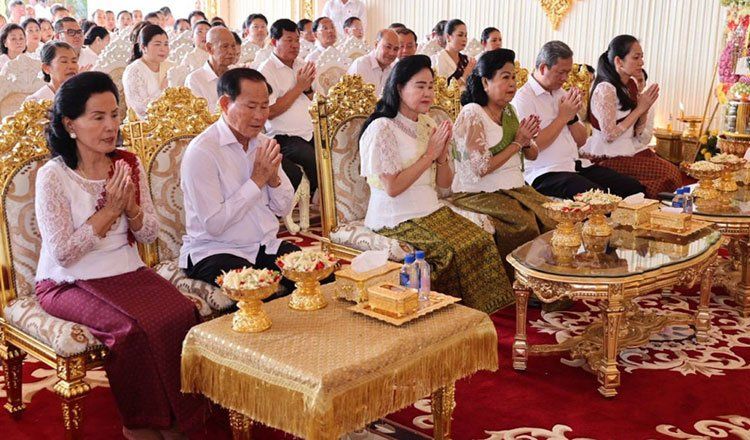
Cambodian leaders have officially inaugurated a newly constructed Buddhist preaching hall in Tbong Khmum province, marking a development aimed at supporting religious activities and community gatherings in the region.
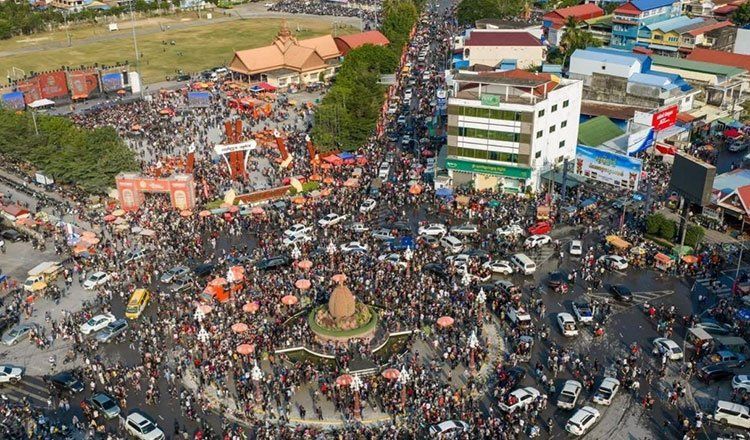
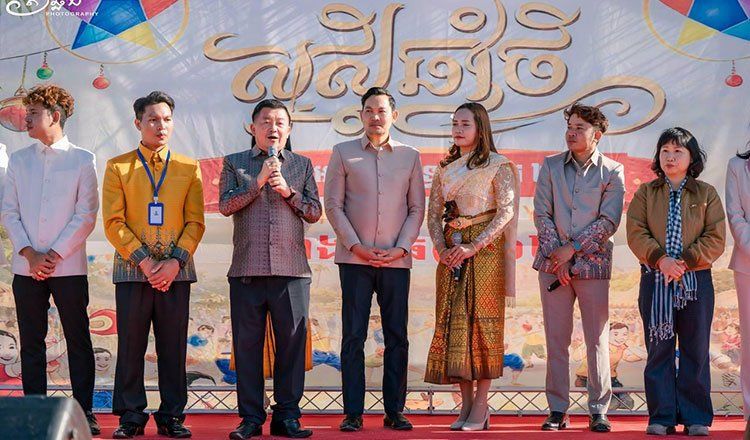
The ceremony was presided over by Prime Minister Hun Manet and Cambodian Red Cross President Bun Rany Hun Sen, who attended the event alongside local officials, monks, and residents. The event included traditional Buddhist rituals and community participation, reflecting the importance of religion in Cambodia’s cultural and social life.
The newly built preaching hall is expected to serve as a space for religious teachings, ceremonies, and community programs organized by local Buddhist institutions.
Role of Religious Infrastructure in Local Communities
Buddhist temples and related facilities play an important role in Cambodian society, functioning not only as places of worship but also as centers for education, cultural preservation, and community engagement.
The new preaching hall is designed to support religious teachings, spiritual gatherings, and educational activities conducted by monks and religious leaders. Such facilities often become focal points for community events, charitable activities, and social programs in rural provinces.
Officials noted that religious infrastructure projects contribute to strengthening community bonds while preserving Cambodia’s long-standing Buddhist traditions.
Cultural Development and Government Participation
The inauguration ceremony highlighted the continued involvement of national leadership in supporting cultural and religious initiatives across Cambodia.
Government leaders regularly attend temple construction and renovation projects as part of broader efforts to promote social harmony and cultural heritage preservation.
Local residents and religious leaders welcomed the completion of the hall, noting that it will provide additional space for sermons, meditation sessions, and community gatherings linked to Buddhist festivals and ceremonies.
Real Estate and Regional Development Impact
Construction of religious and community infrastructure can also influence local development patterns in surrounding areas.
Temple complexes and religious institutions often attract visitors, pilgrims, and community events, which may lead to improvements in nearby infrastructure such as roads, small businesses, and local housing. Over time, these developments can contribute to gradual growth in land use and commercial activity in rural provinces.
In regions such as Tbong Khmum, investments in community and cultural facilities may also encourage broader infrastructure improvements that support local economic activity and tourism.
Also Read: Agriculture Continues to Support Cambodia’s Economic Growth