Tonle Sap: Largest freshwater lake in Southeast Asia
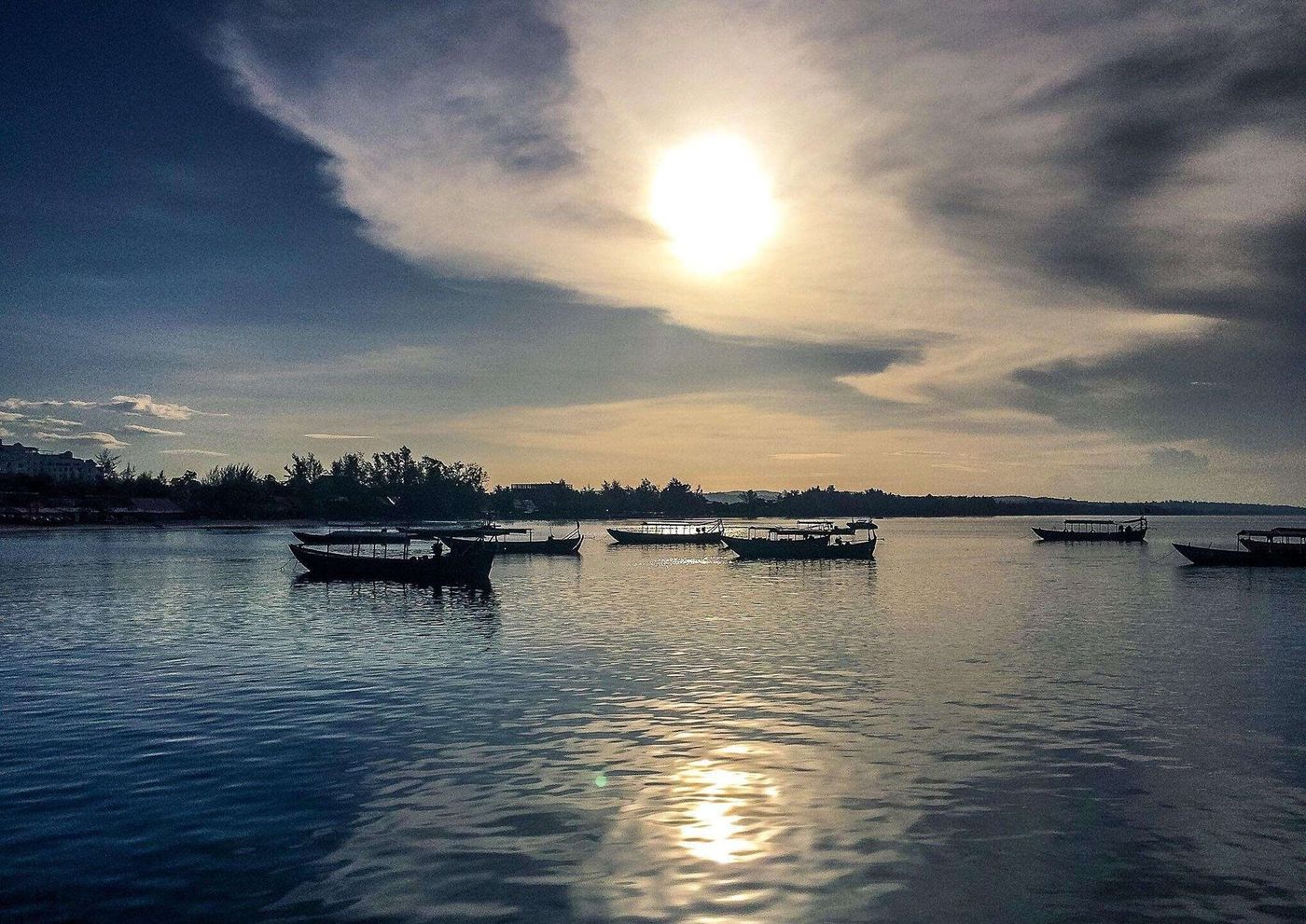
Tonle Sap Lake is one of the world’s most productive inland fisheries and the largest freshwater lake in South East Asia. The Tonle Sap River, a 100 km long river, connects the lake to the Mekong River.
Tonle Sap expands from 2,700 square kilometers to about 10,360 square kilometers, and as its depth increases from 3 to 10 feet (0.9 to 0.9 m) to 30 to 45 feet (9 to 14 m), ships with a 9 feet (3 m) draft can pass through its many tributaries.
Tonle Sap was to the Khmers during the Angkor era what the Nile was to the Egyptians. By using the lake’s retreating waters to irrigate farmland during the dry season, the Khmers were able to grow two or three crops annually. During the monsoon, they used the roiling waves of the river to transport quarry stones to Angkor’s majestic temples. In Khmer, “Sap” means “Lake.”
Tonle Sap is surrounded by five provinces and is home to more than three million people. They depend on fishing or agriculture for about 90% of their livelihood. Many people live in unique floating towns with stilted homes and capture fish using fish traps, leading lives that are closely connected to the lake, the fish, the wildlife, and the cycles of rising and lowering water.