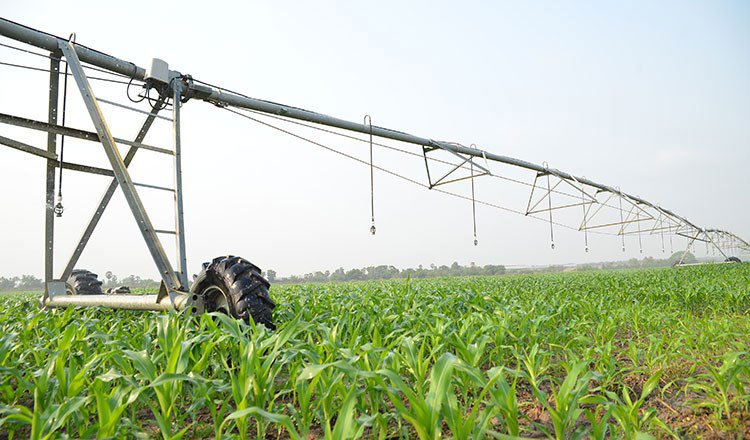
Cambodia’s agriculture sector remains a significant contributor to the national economy, accounting for about 16 percent of the country’s gross domestic product (GDP), according to Agriculture, Forestry and Fisheries Minister Dith Tina.
The statement was made during discussions on the role of agriculture in Cambodia’s economic development and rural livelihoods. Despite the rapid growth of the manufacturing and service sectors, agriculture continues to play an important role in supporting employment, food production, and exports across the country.
Government officials noted that agricultural output remains essential for sustaining rural communities and maintaining food security.
Diversifying Agricultural Production and Exports
Cambodia’s agricultural sector has undergone significant transformation over the past decade. In addition to rice, which remains a major crop, the country has expanded production of commodities such as cassava, rubber, fruits, vegetables, and aquaculture products.
According to officials, Cambodia exported millions of tonnes of agricultural products to international markets in recent years, generating billions of dollars in export revenue.
This diversification has helped strengthen the country’s agricultural economy while improving income opportunities for farmers and producers.
Agriculture’s Changing Share in the Economy
Although agriculture continues to be a key economic pillar, its share of GDP has gradually declined over time as Cambodia’s industrial and service sectors expand. Analysts note that this shift reflects broader economic diversification rather than a decline in agricultural productivity.
Historically, agriculture was the backbone of Cambodia’s economy and continues to employ a significant portion of the population, particularly in rural areas.
Government initiatives aim to modernize farming practices, expand processing industries, and improve supply chains to increase the sector’s value.
Real Estate and Infrastructure Implications
The continued development of Cambodia’s agricultural sector may also influence infrastructure and real estate development in rural regions.
Improved agricultural productivity often drives investment in logistics facilities, food processing plants, storage infrastructure, and transportation networks. These developments can contribute to rising land values and increased demand for industrial and commercial real estate near agricultural production zones.
In addition, agricultural exports and rural income growth may support new investments in housing, marketplaces, and rural infrastructure across the country.
Also Read: India Expands Educational Cooperation With Cambodia