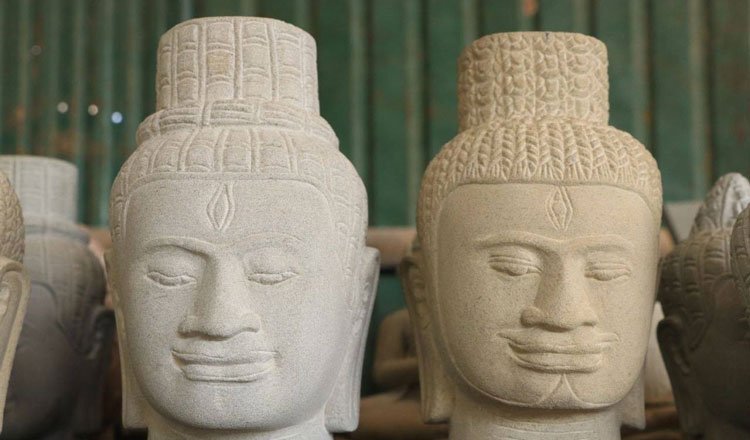
Stone carving continues to stand as one of Cambodia’s most significant cultural traditions, with efforts underway to preserve and pass the craft to future generations. Authorities, including the APSARA National Authority, have highlighted the importance of safeguarding this heritage as part of the country’s broader cultural preservation strategy.
The practice, deeply rooted in Khmer history, reflects centuries-old artistic traditions seen in iconic temple complexes such as Angkor.
Historical Importance of Khmer Stone Carving
- Originates from the Khmer Empire era (9th–15th centuries)
- Widely seen in temple architecture and bas-relief sculptures
- Represents religious and cultural narratives from Hinduism and Buddhism
- Known for intricate detailing and craftsmanship
Stone carving has long been a defining feature of Cambodian art, especially in Angkor temples, which are globally recognized for their sculptural richness and detail.
Passing Skills to Future Generations
Efforts are being made to ensure the survival of this traditional craft:
- Training programs for young artisans
- Revival initiatives supported by cultural organizations
- Workshops focusing on traditional carving techniques
- Encouragement of innovation while preserving authenticity
Organizations and institutions are playing a key role in bridging generational gaps and maintaining craftsmanship standards.
Cultural Preservation Impact
| Area | Outcome |
|---|---|
| Heritage Conservation | Protection of traditional skills |
| Skill Development | Training of new artisans |
| Tourism | Increased cultural attraction |
| Creative Economy | Growth in handicraft industries |
Economic & Real Estate Implications
The preservation of Khmer stone carving may contribute to broader economic activity:
- Growth in cultural tourism hubs like Siem Reap
- Increased demand for artisan workshops and retail spaces
- Development of heritage-based commercial zones
- Rising interest in cultural real estate projects and museums
Cultural industries often support local economies while reinforcing national identity.
Role in Modern Cambodia
- Strengthens Cambodia’s cultural identity globally
- Supports employment opportunities in craft sectors
- Promotes sustainable tourism development
- Encourages preservation of intangible cultural heritage
The revival of traditional crafts reflects a broader movement to protect Cambodia’s artistic legacy while adapting to modern economic needs.
Also Read: Cambodia and China Deepen Strategic Cooperation Across Key Sectors