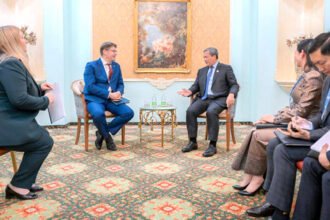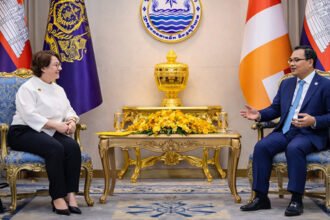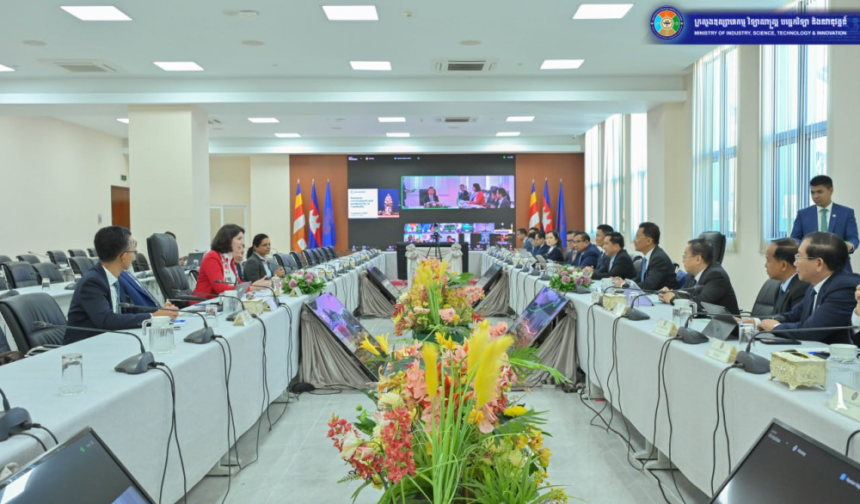
The World Bank recently briefed the Ministry of Industry, Science, Technology & Innovation (MISTI) on Cambodia’s informal economy and business competitiveness. The briefing highlighted key areas for reform to support inclusive growth, improve productivity, and promote formalization of enterprises, aligning closely with initiatives in Invest In Cambodia.
Key Insights on Cambodia’s Informal Economy
During the session in Phnom Penh, World Bank officials shared an in-depth analysis of the informal sector, which represents a large portion of Cambodia’s employment and enterprise activity. The sector was classified into survivalist enterprises (41%), potentially viable enterprises (44%), and high performers (15%), revealing both challenges and opportunities for formalization. These findings echo trends highlighted in Investment Predictions for Cambodia 2026, showing the potential for targeted reforms to enhance productivity.
Policy Recommendations and MSME Strategy
Ms. Tania Meyer, World Bank Country Manager for Cambodia, emphasized the importance of evidence-based policy advice in boosting competitiveness. Officials from MISTI, including Minister H.E. Hem Vanndy, welcomed the findings, noting their relevance to Cambodia’s ongoing MSME Development Strategy, which aims to create pathways for informal enterprises to transition into the formal economy.
The World Bank’s recommendations include streamlining business registration, providing incentives for formalization, and balancing social protection measures with productivity enhancement. These reforms are viewed as crucial for Cambodia’s long-term ambition of achieving high-income status by 2050, while also linking to regional trade growth, as reflected in Cambodia–Viet Nam Trade Surpasses $11 Billion in 2025.
Path Forward
By implementing these recommendations, Cambodia can unlock higher productivity within the informal sector, foster entrepreneurship, and strengthen competitiveness in both regional and global markets. Strategic reforms will not only support enterprise growth but also ensure that the informal economy contributes more effectively to sustainable national development.
Also Read: China Remains Cambodia’s Top Trading Partner in 2025