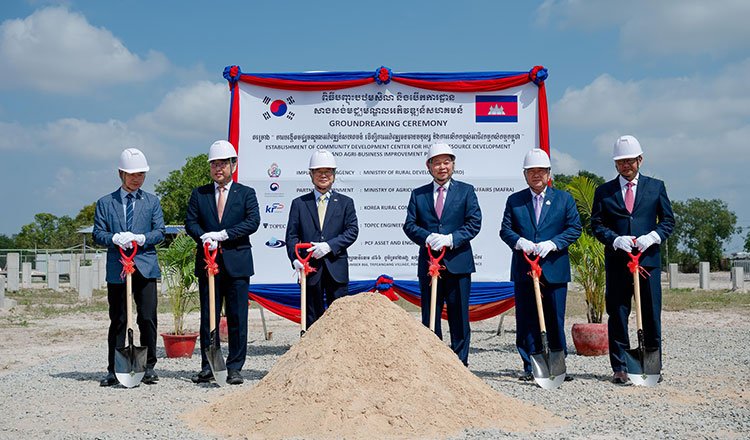
Cambodia and South Korea are intensifying bilateral cooperation aimed at strengthening rural development and boosting economic opportunities in Cambodia’s countryside. The initiative focuses on modernizing rural infrastructure, improving livelihoods, and creating sustainable income opportunities for local communities.
The collaboration forms part of broader development partnerships between the two countries, where South Korea has been supporting Cambodia through technical assistance, investment programs, and policy cooperation in sectors such as agriculture, infrastructure, and education.
Officials from both countries recently reaffirmed their commitment to expanding joint initiatives designed to enhance rural wealth and improve economic productivity in Cambodian provinces.
Focus on Infrastructure and Rural Livelihoods
The partnership highlights several priority areas including infrastructure upgrades, rural income generation, agricultural productivity, and sustainable community development.
These initiatives align with Cambodia’s broader national strategy to modernize rural areas and reduce economic disparity between urban and rural regions. By strengthening infrastructure, improving farming efficiency, and supporting small-scale enterprises, policymakers aim to increase rural household income and improve living standards.
South Korea’s experience in rural transformation programs such as the “Saemaul Undong” community development model is often referenced as a framework for encouraging self-reliance, local participation, and sustainable village development.
The cooperation reflects ongoing efforts by both governments to accelerate development in rural areas where agriculture remains a key economic driver.
Strengthening Bilateral Development Partnership
South Korea has long been one of Cambodia’s key development partners, providing assistance focused on poverty reduction and social infrastructure improvements.
Through official development assistance programs and joint projects, Seoul has supported initiatives related to rural connectivity, education, agricultural productivity, and community capacity building.
These collaborative programs are expected to expand further as Cambodia seeks to strengthen economic resilience and inclusive growth across rural regions.
Potential Real Estate and Infrastructure Impact
The expansion of rural development initiatives could have indirect implications for Cambodia’s real estate and infrastructure sectors.
Improved transportation networks, utilities, and rural facilities may enhance land value and stimulate development opportunities in emerging regional markets. As infrastructure improves, rural areas could attract new investments in housing, agro-industrial projects, and local commercial development.
Such initiatives may also support long-term regional economic growth by encouraging balanced urban-rural development and reducing migration pressures toward major cities.
Also Read: PM Hun Manet Highlights Youth Role at 28th National Culture Day