• My Saves
  • My Feed
  • My Interests
  • Governing Body
  • From The Founder's Desk
  • Contact Us

The Better Cambodia
  • News
    NewsShow More
    From Poverty to Eco-Tourism Powerhouse: The Remarkable Rise of Khnang Phsar Mountain
    Khnang Phsar Mountain Tourism Booms with Record Visitor Surge

    ORAL DISTRICT, Kampong Speu — Cambodia’s stunning Khnang Phsar Mountain continues to…

    By
    Divya Ravi
    Cambodia Drafts National Strategy to Boost MSME Sector Growth
    Cambodia Drafts National Strategy to Boost MSME Sector Growth

    PHNOM PENH — Deputy Prime Minister and Economy and Finance Minister Aun…

    By
    Divya Ravi
    Cambodia Accelerates Capital Market Reforms to Deepen Global Investor Trust
    Cambodia Accelerates Capital Market Reforms to Deepen Global Investor Trust

    PHNOM PENH — Cambodia is aggressively fast-tracking the expansion of its national…

    By
    Divya Ravi
    Russian Auto Giant GAZ Group Eyes Investment in Cambodia
    Russian Auto Giant GAZ Group Eyes Investment in Cambodia

    KAZAN, Russia — GAZ Group, a major manufacturer and exporter of commercial…

    By
    Divya Ravi
    Russia-ASEAN Summit: Cambodia Eyeing Free Trade Deal with Eurasian Bloc
    Russia-ASEAN Summit: Cambodia Eyeing Free Trade Deal with Eurasian Bloc

    At the Russia-ASEAN Commemorative Summit in Kazan, Cambodian Prime Minister Hun Manet…

    By
    Divya Ravi
  • Editors Pick
    Editors PickShow More
    The Five Pentagons: What Each Side of the Blueprint Is Actually BuildingSeries: Understanding Cambodia’s Pentagonal Strategy — Episode 2 of 5

    Most national development strategies are written to be filed, not read. They…

    By
    Surya Narayan
    The Five-Sided Blueprint for Cambodia’s FutureSeries: Understanding Cambodia’s Pentagonal Strategy — Episode 1 of 5

    A country that was once described as a killing field is now…

    By
    Surya Narayan
    A Quiet Opportunity: Why Bharatia Belongs in the Cambodia Conversation

    An editorial by Jas Sohl, founder of the Cambodia Private Business Centre,…

    By
    Jas Sohl
    A Week of Quiet Confidence: Cambodia’s Economy Writes Its Next Chapter

    The Better Cambodia, Weekly Business Editorial | 4 to 11 May 2026…

    By
    Surya Narayan
    Lessons from Golda Meir And How Cambodia Can Turn Challenges Into Strength

    Golda Meir’s life was shaped long before she ever held political office.…

    By
    Surya Narayan
  • Stories
    StoriesShow More
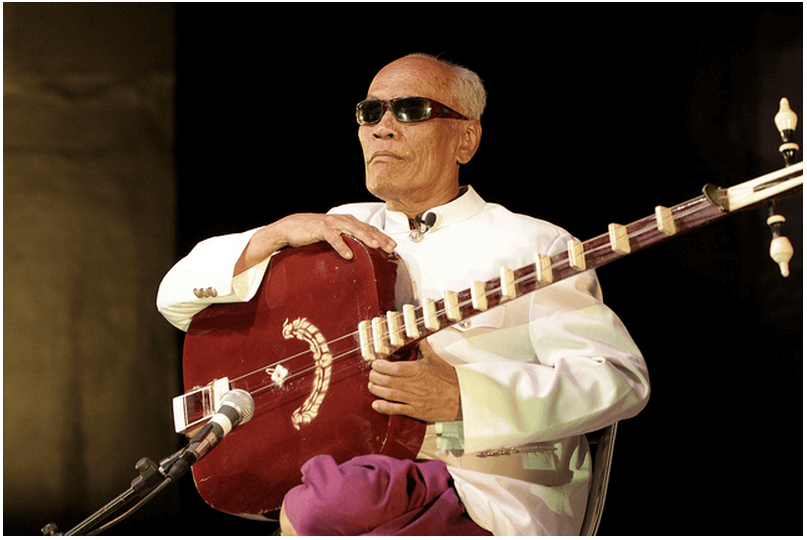
    Kong Nay: Cambodia’s Greatest Legend of Chapei Music

    In the rich tapestry of Cambodian cultural history, few figures shine as…

    By
    Surya Narayan
    Cambodian students learning multiple languages while preserving Khmer cultural identity
    Renforcing Khmer identity through language learning

    Cambodia’s growing emphasis on multilingual education is shaping global opportunities for students,…

    By
    Olivia Hugues
    Adrien Charrier
    Cambodian craftsmanship
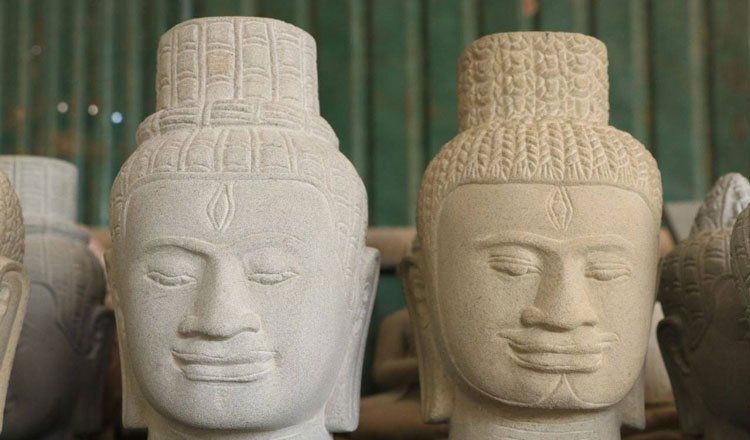
    Carve your own way: How craftsmanship changed Sarin’s life?

    Eyes fixed on her carving of Angkor Wat, Sarin handles her tools with quiet…

    By
    Pauline REINA
    Lea Sannier
    Tonlé to Treeline
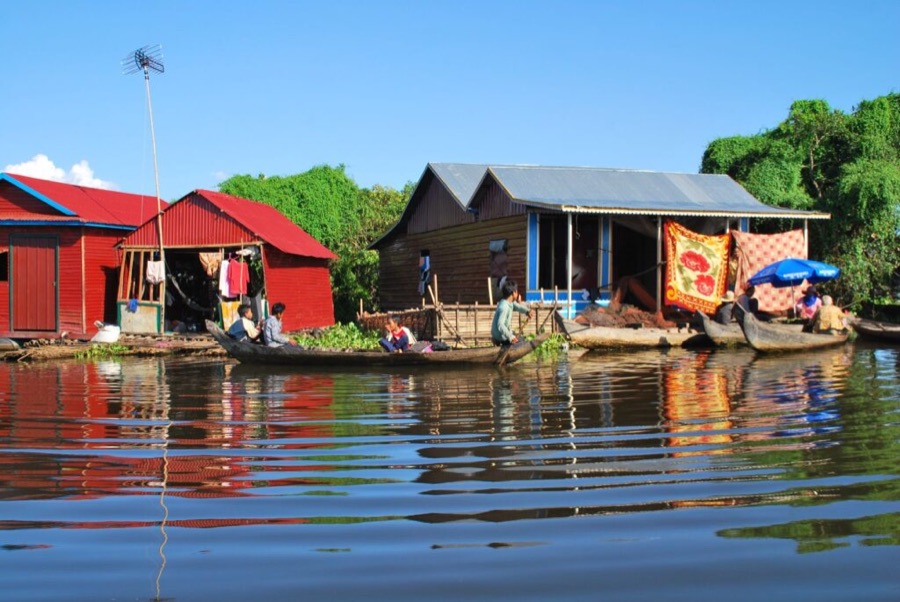
    Tonlé to Treeline – From River to Forest: Cambodia’s Living Landscapes 

    Cambodia’s landscapes stretch from the rich ecosystems of the Tonlé waterways to…

    By
    Pauline REINA
    Cambodian martial artist Tharoth training in Kun Khmer after overcoming adversity
    Fighting for What Feels Right

    Tharoth’s journey from trauma to strength is a powerful story of resilience.…

    By
    Pauline REINA
    Lea Sannier
  • Business
    BusinessShow More
    Russia-ASEAN Summit: Cambodia Eyeing Free Trade Deal with Eurasian Bloc
    Russia-ASEAN Summit: Cambodia Eyeing Free Trade Deal with Eurasian Bloc

    At the Russia-ASEAN Commemorative Summit in Kazan, Cambodian Prime Minister Hun Manet…

    By
    Divya Ravi
    Cambodia geographical indication products including silk, cashew, crab and mango representing local identity
    Cambodia Registers Four New Geographical Indications to Strengthen Product Identity

    Cambodia has registered four new geographical indication products, including silk, crab, cashew,…

    By
    Sasha Jones
    Cambodia economy growth showing factories, exports, and industrial development
    ADB Projects Cambodia’s Growth at 4.5% Amid Middle East Stabilisation Scenario

    ADB projects Cambodia’s economy to grow 4.5% in 2026 under a Middle…

    By
    Sasha Jones
    Cambodian trainees learning electric vehicle repair and maintenance skills
    Chinese EV Giant Partners with Cambodia to Develop Electric Vehicle Workforce

    A Chinese EV manufacturer has partnered with Cambodia to develop workforce skills…

    By
    Sasha Jones
    Cambodian workers participating in job fair during labour market recovery
    Cambodia Sees Over 650,000 Job Placements Amid Labour Market Recovery

    Cambodia’s labour market recovery gains momentum as over 650,000 individuals secure jobs…

    By
    Sasha Jones
  • Opinion Piece
    Opinion PieceShow More
    Heavy Industry and the Cambodia We Are Building

    By Dhanita M Nair, Director, SME Resource Centre, Kingdom of Cambodia Every…

    By
    Dhanita Nair
    Cambodia Steps Forward: A New Chapter for Women and Girls

    Some weeks in Phnom Penh feel heavier with meaning than others. This…

    By
    Jas Sohl
    A Quiet Opportunity: Why Bharatia Belongs in the Cambodia Conversation

    An editorial by Jas Sohl, founder of the Cambodia Private Business Centre,…

    By
    Jas Sohl
    Episode 5 of 6 |  The Backbone of Progress – How the Ministry of Labour Is Building a Trustworthy and Accountable Skills System in Cambodia

    A vision becomes real only when someone takes responsibility for it. That…

    By
    Dhanita Nair
    Digital Skills with Soul Why Cambodias Youth Are Ready for the Age of AI

    By Jas Sohl There are moments in development work when a country…

    By
    Jas Sohl
  • Press Release
    Press ReleaseShow More
    AI Transformation: La French Tech Phnom Penh Event Highlights the Future of Cambodian Startups
    AI Transformation: La French Tech Phnom Penh Event Highlights the Future of Startups

    La French Tech Phnom Penh gathered over 150 entrepreneurs, investors, and ecosystem…

    By
    Divya Ravi
    India’s 6th National Family Health Survey (NFHS-6)
    India’s 6th National Family Health Survey (NFHS-6)

    PHNOM PENH — The Indian Embassy in Phnom Penh held a press…

    By
    Divya Ravi
    Cambodia’s Award-Winning Virtual Influencer Lida Eve Enters New Chapter with AI-Led Micro Drama “Love Exam”
    Cambodia’s Award-Winning Virtual Influencer Lida Eve Enters New Chapter with AI-Led Micro Drama “Love Exam”

    Phnom Penh — Lida Eve, Cambodia’s pioneering virtual influencer and winner of…

    By
    Divya Ravi
    Khmer Ceramics Centre Launches Cambodia’s First Open-Access Pottery Studio
    A New Space for Clay: Khmer Ceramics Centre Launches Cambodia’s First Open-Access Pottery Studio

    Siem Reap, Cambodia – February 2025 - Khmer Ceramics Centre, located on River…

    By
    TBC
    Over 100 ASEAN Women Entrepreneurs to Be Honoured at Prestigious Gala in Phnom Penh

    Phnom Penh, Cambodia will take centre stage on 21st November as over…

    By
    TBC
  • Visit Cambodia
    Visit CambodiaShow More
    Cambodia Public Holidays: A Complete Guide to Every Festival, Tradition, and Meaning
    Cambodia Public Holidays: A Complete Guide to Every Festival, Tradition, and Meaning

    Cambodia has more public holidays than almost any country in Southeast Asia…

    By
    TBC
    Nearly 9 Million Flock to Phnom Penh for Landmark "Nokor Sankranta" Celebrations
    Nearly 9 Million Flock to Phnom Penh for Landmark “Nokor Sankranta” Celebrations

    PHNOM PENH – The inaugural Nokor Sankranta festival concluded on Sunday, cementing…

    By
    TBC
    Crowds of tourists enjoying Khmer New Year celebrations in Kampot with riverfront views and festive activities
    Kampot Attracts Over 430,000 Visitors During Khmer New Year Celebrations

    Kampot welcomed over 430,000 visitors during Khmer New Year 2026, driven mainly…

    By
    Sasha Jones
    Global Khmer diaspora celebrating Khmer New Year with traditional dances, games, and community gatherings
    Global Khmer Diaspora Unites for New Year Celebrations Worldwide

    Khmer communities worldwide celebrated New Year 2026 with traditional games, rituals, and…

    By
    Sasha Jones
    Tourists celebrating Khmer New Year in Kampong Cham Cambodia with large festive crowds and cultural activities
    Kampong Cham Sees Nearly One Million Tourists on First Day of Khmer New Year

    Kampong Cham attracted nearly one million visitors on the first day of…

    By
    Sasha Jones
  • History
    HistoryShow More
    Siem Reap kite flying festival
    Ancient Kite Flying Festival Takes Flight in Siem Reap

    Siem Reap hosted the annual Ancient Kite Flying Festival with more than…

    By
    Sasha Jones
    A sacred peepal sapling from Bodh Gaya is presented in a ceremonial handover in Siem Reap, symbolizing cultural and spiritual ties between Cambodia and India.
    Siem Reap Receives Sacred Peepal Sapling from Bodh Gaya

    Siem Reap received a sacred peepal sapling from Bodh Gaya, India, on…

    By
    Sasha Jones
    Theam’s Gallery
    Theam’s Gallery, or the Art of Returning History to Its People

    Seen through the eyes of his sister Maddy, this is the story…

    By
    Lea Sannier
    Pauline REINA
    Cambodia cave preservation guidelines
    New Guidelines Aim to Preserve Cambodia’s Natural Cave Heritage

    Cambodia has introduced new national guidelines to protect and sustainably manage its…

    By
    Yash Paul
    Cambodia sustainable cave management
    Preserving Cambodia’s Natural Heritage: New Guidelines for Sustainable Cave Management and Eco-Conservation

    Across Cambodia’s countryside, limestone caves rise quietly from the earth, holding stories…

    By
    Sasha Jones
  • 🔥
  • Invest In Cambodia
  • Unsung Heroes/ Impact
  • The Better Asia
  • Agriculture
  • Technology
  • Places to Visit
  • Sustainability
Font ResizerAa
The Better CambodiaThe Better Cambodia
Search
  • Home
  • Stories
  • News
  • Visit Cambodia
  • Startups
  • Cambodian Brands
  • Unsung Heroes/ Impact
  • Sustainability
  • Artisans of Cambodia
  • Invest In Cambodia
  • Guests Posts
  • The Better Asia
  • Governing Body
  • From The Founder’s Desk
  • Contact us
Have an existing account? Sign In
Follow US
  • My Saves
  • My Interests
  • My Feed
© 2026 TBC Media. All Rights Reserved.
The Better Cambodia > Blog > Editorial > Editors Pick > The Five Pentagons: What Each Side of the Blueprint Is Actually BuildingSeries: Understanding Cambodia’s Pentagonal Strategy — Episode 2 of 5
EditorialEditors PickEditors Pick

The Five Pentagons: What Each Side of the Blueprint Is Actually BuildingSeries: Understanding Cambodia’s Pentagonal Strategy — Episode 2 of 5

Surya Narayan
Last updated: June 23, 2026 3:18 pm
By
Surya Narayan
28 Views
Published: June 23, 2026
Share
14 Min Read
SHARE

Most national development strategies are written to be filed, not read. They sit in government archives, cited occasionally in budget speeches, rarely opened by anyone outside a ministry. Cambodia’s Pentagonal Strategy Phase I is different, not because it is perfectly written, but because it is structured in a way that forces accountability. Every pentagon has a purpose. Every side has a measurable goal. And the whole thing is built around a central idea that makes intuitive sense once you see it: you cannot fix one thing without fixing everything.

Contents
  • The Core That Holds Everything Together
  • Pentagon 1: Investing in People
  • Pentagon 2: Building a Diverse and Competitive Economy
  • Pentagon 3: Developing the Private Sector and Employment
  • Pentagon 4: Building Resilience for the Long Run
  • Pentagon 5: Building the Digital Economy and Society
  • Why the Architecture Matters

Episode 1 of this series set the scene, where Cambodia has come from, why the old model has limits, and what the Pentagonal Strategy is trying to do. This episode goes inside the architecture. What are the five pentagons actually building? And why does the order matter?

The Core That Holds Everything Together

Before the five pentagons, there is a core. The strategy is explicit about this. The core focuses on governance, specifically on building public institutions that are competent, honest, and modern enough to actually implement everything else the strategy calls for.

This is not a small thing. One of the quiet lessons of development economics over the past fifty years is that the quality of institutions, how well governments manage public money, how fairly courts apply the law, how efficiently civil servants deliver services, matters more than almost any other factor in determining whether a country grows and whether that growth reaches ordinary people.

- Advertisement -

The strategy identifies a set of institutional challenges that Cambodia still faces honestly: overlapping functions across ministries, unclear lines of accountability, weak inter-institutional coordination, and civil service systems that have not yet fully rewarded performance over tenure. These are not new problems, and the strategy does not pretend they are. What is new is the commitment to fixing them as a precondition for everything else, not as an afterthought.

In practice, the core agenda involves rationalising the structure of public institutions, strengthening leadership capacity across the civil service, building a genuinely performance-based management culture, modernising the legal and judicial systems, and improving the governance framework for the private sector. None of this makes headlines. But without it, the pentagons that follow cannot deliver what they promise.

Pentagon 1: Investing in People

The first pentagon is where the strategy makes its most personal argument. It begins with the recognition that Cambodia’s greatest asset is its people, and that for decades, they have systematically underinvested in this asset.

The focus here is human capital in the fullest sense: not just school enrolment rates, but the quality of what is being taught; not just clinic numbers, but whether people can actually afford to go and trust the care they receive when they do; not just skills training, but training that connects to real jobs in real industries. The strategy sets out to improve the quality of education across all levels, expand technical and vocational training aligned with private sector demand, improve health and well-being, strengthen the social protection system, and deepen what it describes as the quality of citizenship — the values, ethics, and civic awareness that hold a society together.

What does this look like in a Cambodian family’s daily life? It looks like a child in a rural province having access to a qualified teacher rather than a classroom with no textbook. It looks like a young woman who graduates from a technical institute with a certification that a factory or a hospital will actually recognise. It looks like a farmer’s family that does not fall into debt when one member gets sick because there is a functioning social protection system behind them.

These are the outcomes Pentagon 1 is working towards. They take years to build and longer to measure. But they are the foundation on which every other pentagon depends.

Pentagon 2: Building a Diverse and Competitive Economy

If Pentagon 1 is about people, Pentagon 2 is about giving those people an economy worth working in.

Cambodia’s economic success over the past 25 years has been real, but it has also been narrow. Garments, tourism, and construction have driven the majority of growth. That concentration is a vulnerability, as COVID-19 made brutally clear. Pentagon 2 is the strategy’s answer to that vulnerability.

The goal is an economy that grows at around seven percent per year on average but does so across a genuinely diversified base. The strategy identifies new sectors for development: digital industries, agro-processing, light manufacturing beyond garments, logistics and transport services, and high-value agriculture. It calls for improvements in the business and investment environment, cutting red tape, making licensing faster, and making dispute resolution more predictable. It sets out to strengthen Special Economic Zones and industrial parks, particularly in areas outside Phnom Penh, to spread economic opportunity more evenly across the country’s geography.

Crucially, the strategy links economic diversification to macroeconomic discipline. Keeping inflation low, stabilising the exchange rate, managing public debt at sustainable levels, these are not bureaucratic obsessions. They are the conditions under which businesses can plan, investors can commit, and ordinary Cambodians can trust that the value of their savings will not be erased by the time they need it.

Pentagon 3: Developing the Private Sector and Employment

The third pentagon sits alongside the second but has a distinct focus: not the broad economy, but the specific engine of jobs. This issue matters enormously in a country where the majority of the workforce is young and where employment quality, not just employment quantity, is becoming the central economic question.

The strategy’s approach here is grounded in what Cambodia actually has. It has a large informal sector of micro and small enterprises, street vendors, family workshops, and small farms that provide livelihoods for millions of people but operate largely outside formal regulatory and financial systems. Pentagon 3 sets out to bring more of this economic activity into the formal system, not by suffocating it with compliance requirements but by making formality attractive: through access to finance, business development support, and simplified regulatory pathways.

It also calls for developing the labour market more systematically, improving job information systems so that workers can find opportunities they would otherwise miss; promoting public-private partnerships that connect training institutions directly to employers; and strengthening the banking and non-banking financial sectors so that credit reaches the businesses and entrepreneurs who need it.

The human dimension here is a young Cambodian who starts a small food processing business, can access a microloan, registers formally because it is now worth doing, and eventually employs five of their neighbours. Multiplied across hundreds of thousands of similar decisions, that is how an economy builds a genuine middle class.

Pentagon 4: Building Resilience for the Long Run

Pentagon 4 is perhaps the most far-sighted of the five and also the one most likely to be underestimated. It covers what the strategy calls resilient, sustainable, and inclusive development, which in practice means demographic management, environmental sustainability, gender equality, agriculture and rural development, and the management of urbanisation.

Cambodia has a demographic window of opportunity that will not stay open forever. A relatively young population means a large working-age cohort relative to dependants, a structural advantage that, if harnessed through investment in skills and health, can accelerate growth significantly. But demographic windows close. The strategy is explicit that Cambodia needs to make productive use of this advantage now, while it still exists.

On the environment, the strategy is frank in ways that are not always comfortable. Cambodia’s forests, rivers, and biodiversity are national assets, cultural and economic, that have been under pressure for decades. The strategy commits to sustainable natural resource management, green finance, climate-resilient infrastructure, and a shift away from a growth model that externalises environmental costs. This approach is not just idealism. The Mekong basin’s fisheries, which feed tens of millions of people, are under existential threat from a combination of upstream dams, over-extraction, and climate disruption. A strategy that ignores these realities would not be serious.

Gender equality also sits inside Pentagon 4, and the strategy approaches it not as a social box to tick but as an economic imperative. Countries that systematically exclude women from productive economic participation leave growth on the table. Cambodia has made significant progress on female labour participation; the next step is ensuring that participation translates into equal opportunity, equal pay, and equal access to leadership.

Pentagon 5: Building the Digital Economy and Society

The fifth pentagon is where Cambodia’s future meets its present most directly. It covers the development of a digital economy and digital society, and it carries a specific urgency that the other pentagons do not.

The fourth industrial revolution is not waiting for countries to get ready. Artificial intelligence, automation, e-commerce, digital finance, and platform-based services are already reshaping which jobs exist and which do not, which businesses survive and which disappear. For a country like Cambodia, which is small, open, and dependent on trade and foreign investment, the consequences of getting this wrong are significant.

The strategy sets out a comprehensive digital agenda: building e-government systems that make public services accessible online, developing digital infrastructure including connectivity in underserved rural areas, building digital literacy among citizens, creating the legal and regulatory frameworks for digital commerce and data protection, and developing fintech capacity within the financial sector. It also sets out to position Cambodia as a destination for digital investment, not just a consumer of digital services built elsewhere but a producer of them.

What makes this pentagon distinctive is its cross-cutting nature. Digital technology is not just one sector among five. It is the connective tissue that makes all five pentagons work better. E-health systems improve Pentagon 1. Digital payment infrastructure improves Pentagon 2 and 3. Climate monitoring and smart agriculture improve Pentagon 4. The strategy understands this, which is why Technology was elevated to one of the five key national priorities alongside People, Road, Water, and Electricity.

Why the Architecture Matters

Reading the five pentagons together, a coherent argument emerges. Strong institutions make credible policy. Credible policy attracts investment. Investment creates jobs. Jobs that pay well create a middle class. A middle class demands better health, better education, and a cleaner environment. Better human capital makes the economy more competitive. A more competitive economy can fund better institutions.

This is a virtuous cycle, but only if all five parts move forward together. The strategy’s architects understood that selective reform, where a government picks the easy wins and avoids the hard structural questions, produces growth that is brittle and unequal. The pentagon framework is designed to prevent that. Every side is connected to every other side. Weakness in one eventually weakens all.

That is an ambitious claim. And whether Cambodia can deliver on it is the subject this series will return to in Episode 5. For now, the structure is clear. The blueprint exists. The question is whether the builders are ready.

The Better Cambodia is committed to bringing you informed, grounded reporting on the policies and people shaping Cambodia’s future. This article is based on the official Pentagonal Strategy Phase I document released by the Royal Government of Cambodia in August 2023.

Next in the series: Episode 3 — Beyond Garments and Tourism: Building the Economy Cambodia Deserves

Share This Article
Facebook Whatsapp Whatsapp LinkedIn Telegram Email Copy Link Print
BySurya Narayan
Follow:
Founder at The Better Cambodia | Communication Advisor to the Minister attached to the Prime Minister of Cambodia | Marketing Director at True North Lean
Previous Article From Poverty to Eco-Tourism Powerhouse: The Remarkable Rise of Khnang Phsar Mountain Khnang Phsar Mountain Tourism Booms with Record Visitor Surge
Leave a Comment

Leave a Reply Cancel reply

Your email address will not be published. Required fields are marked *

- Advertisement -

You Might Also Like

Editors PickEducation

The Inspiring Story of Sakichi Toyoda – A Lesson in Dedication and Perseverance for Cambodia’s Young Entrepreneurs

By
Surya Narayan
Editors Pick

A New Era of Democratic Progress in Cambodia

By
Surya Narayan
AgricultureEditors PickInvest In Cambodia

Cambodia’s Sugarcane Industry: A Sweet Spot in Global Trends

By
Surya Narayan
Editors Pick

A 16-day campaign to end gender-based violence

By
Surya Narayan
© 2026 TBC Media. All Rights Reserved.
  • Home
  • News
  • About Cambodia
    • Provinces of Cambodia
  • Tours
  • Things to Do
    • Adventure
    • Events
    • Festivals
    • Fun & Games
    • Landmarks
    • Markets
    • Museums
    • Parks
    • Shopping
    • Shows
    • Temples
    • Villages
    • Water Fun
    • Wildlife
    • Workshops
    • Zoos & Aquariums
  • Eat & Drink
    • Khmer Cuisine
    • Bars & Pubs
    • Cafés & Bakeries
    • Fine Dining
    • Street Food
  • Natural Attractions
    • Beaches
    • Botanical Sites
    • Caves
    • Cliffs & Rock Formations
    • Coral Reefs
    • Forests
    • Hot Springs
    • Islands
    • Lakes
    • Mountains
    • Parks
    • Rivers
    • Scenic Spots
    • Waterfalls
    • Wetlands
    • Wildlife Areas
  • Services
  • Travel Guide
  • Stays
    • Boutique Stays
    • Eco Lodges
    • Guesthouses
    • Homestays
    • Hotels
    • Resorts
No thanks.
Welcome Back!

Sign in to your account

Username or Email Address
Password

Lost your password?