Cambodia Accelerates Capital Market Reforms to Deepen Global Investor Trust
PHNOM PENH — Cambodia is aggressively fast-tracking the expansion of its national capital markets. Consequently, the country aims to establish itself as a premier, high-transparency financial hub in Southeast Asia.
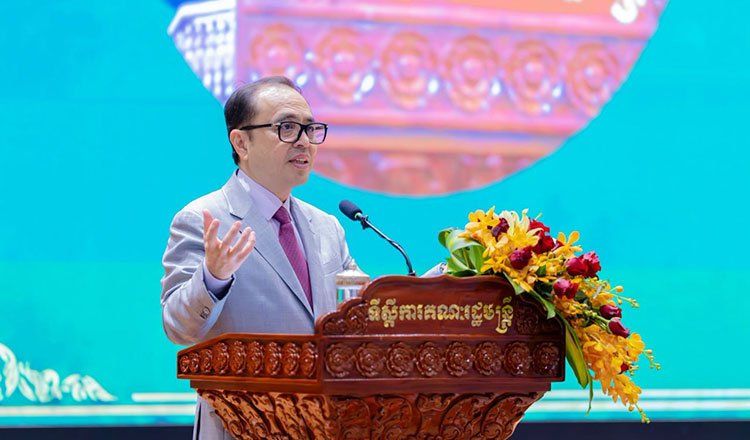
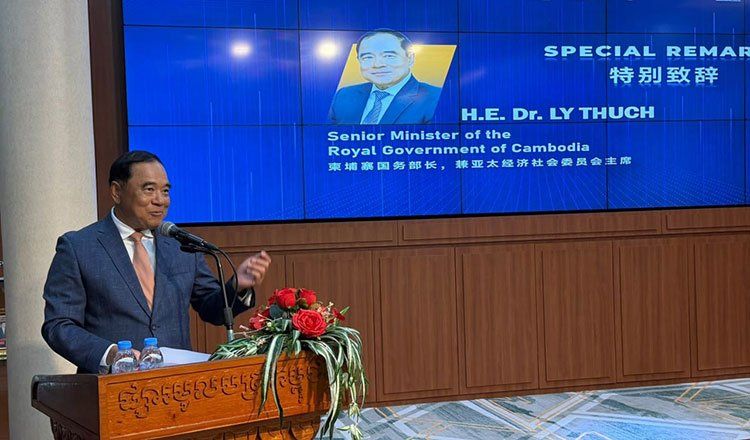
Senior Minister Ly Thuch unveiled the government’s updated financial roadmap at the “Cambodia’s Next Chapter” forum on June 19 in Phnom Penh. As the Chairman of Cambodia’s National Committee for the Economic and Social Commission for Asia and the Pacific (ESCAP), he addressed a highly influential crowd. The high-level event was organized by Cambodia Securities Plc at the Cambodia Securities Exchange (CSX). Ultimately, the forum brought together financial regulators, corporate leaders, and regional institutional investors under a unified growth strategy.
1. Establishing an Institutional Bedrock of Transparency
Speaking to international stakeholders, Senior Minister Ly Thuch emphasized that legislative predictability is a non-negotiable pillar. Furthermore, he noted that institutional stability remains central to the Kingdom’s modern economic agenda.
“Under the leadership of Prime Minister Hun Manet, Cambodia is becoming a stable, transparent, and trusted investment destination,” Thuch stated. “Therefore, we are building a foundation on trust, peace, and the rule of law.”
To solidify this environment, the government is prioritizing a three-pronged legal approach:
- Absolute Protection of Investor Rights: First, the state guarantees fair corporate treatment under updated legal frameworks.
- Intellectual Property Safeguards: Second, it secures corporate innovations to attract high-value tech industries.
- Streamlined Bureaucracy: Finally, it is systematically cutting red tape for enterprises driving domestic employment.
2. Diversifying Corporate Finance Beyond Banking
A central focus of the forum was the strategic push to modernize corporate funding. Historically, Cambodia’s economy has been anchored by garment manufacturing and agricultural exports. However, the government warns that relying purely on traditional commercial bank loans leaves the economy vulnerable to credit squeezes.
Because of this, Thuch strongly urged established domestic enterprises to utilize the CSX. Issuing Initial Public Offerings (IPOs) and corporate bonds will provide businesses with large-scale capital. In addition, it will inject critical liquidity into the domestic market. Consequently, the broader public can build direct equity in the nation’s success.
3. Harnessing Strategic ASEAN Advantages
Foreign investment architects at the forum highlighted Cambodia’s unique positioning as an investment gateway. This growth is driven by three core structural advantages:
- Geographic Centrality: The country offers a strategic, well-connected location inside the 10-member ASEAN trading bloc.
- Demographic Dividend: Additionally, the nation boasts a young, increasingly tech-literate, and highly adaptable workforce.
- Policy Continuity: Most importantly, economic plans align with Phase 1 of Prime Minister Hun Manet’s overarching Pentagonal Strategy.
4. Institutional Alliances Solidify Market Roadmap
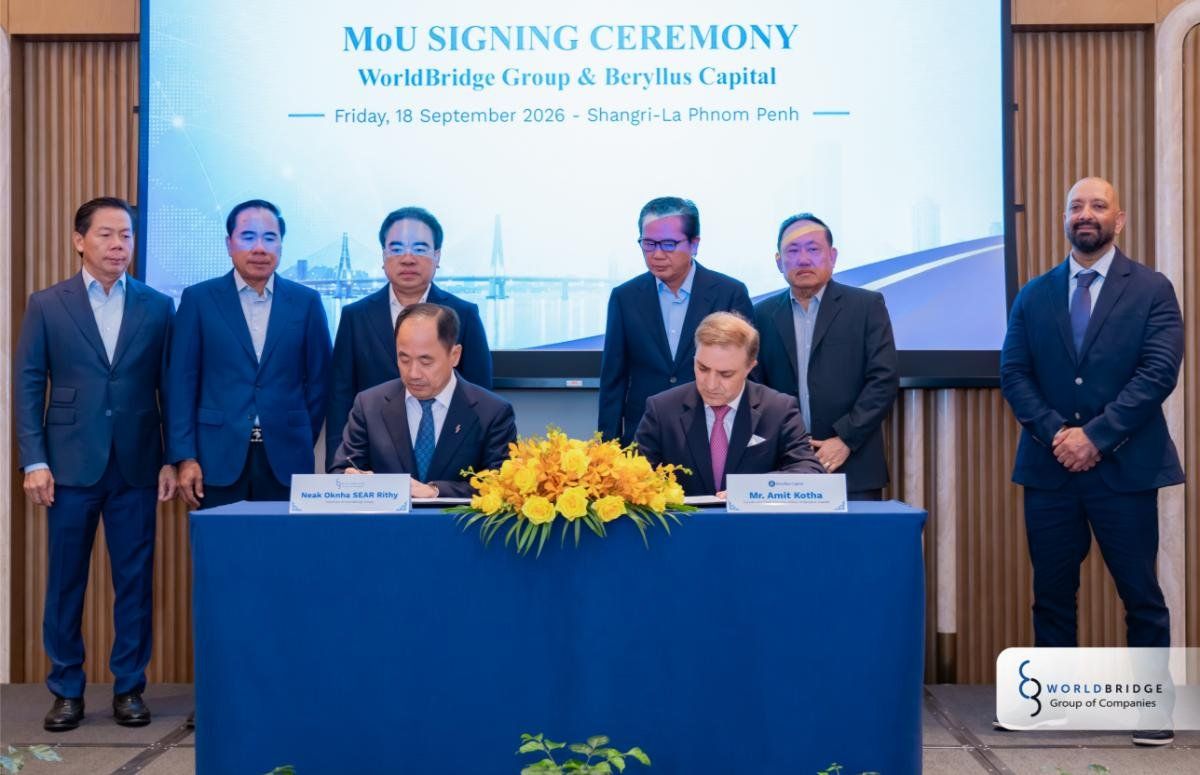
The forum concluded with concrete operational milestones rather than just policy promises. Specifically, CSX Vice Chairman Bae Heungsoo and Cambodia Securities Plc Chairman Teng Cheng-Yueh executed the signing of several vital Memorandums of Understanding (MoUs).
These agreements are engineered to directly accelerate capital market maturity. For example, they will simplify the complex exchange listing pipeline. Meanwhile, they will also introduce sophisticated financial products and boost daily market liquidity. In short, Cambodia’s structural reforms are active, investor safeguards are codified, and the next chapter of its economic development is officially open for global capital.
Also Read, Russian Auto Giant GAZ Group Eyes Investment in Cambodia