Khnang Phsar Mountain Tourism Booms with Record Visitor Surge
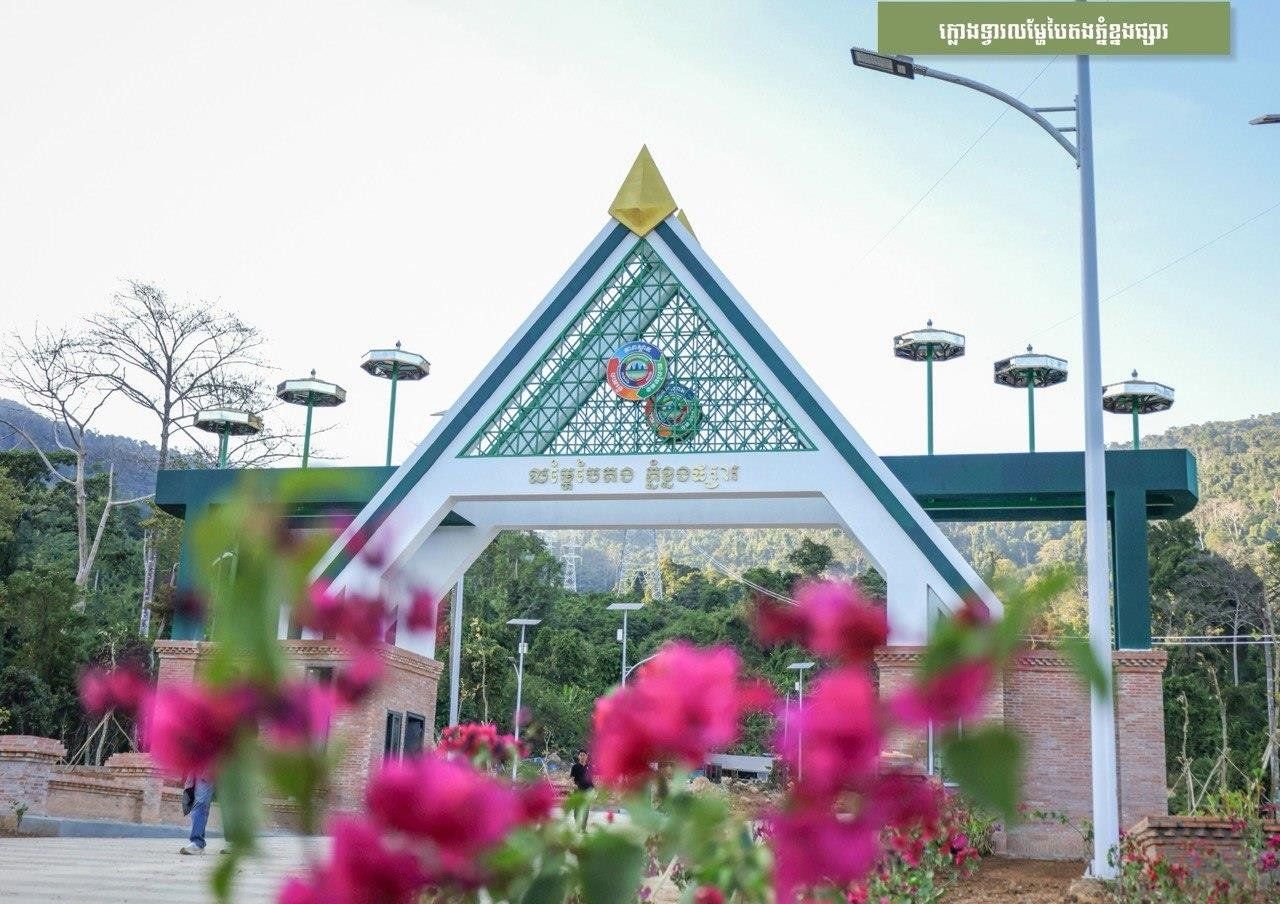
ORAL DISTRICT, Kampong Speu — Cambodia’s stunning Khnang Phsar Mountain continues to attract record-breaking crowds during the current Green Season. Specifically, the Ministry of Environment revealed that the site welcomed 1,014 visitors between June 15 and June 21, 2026.
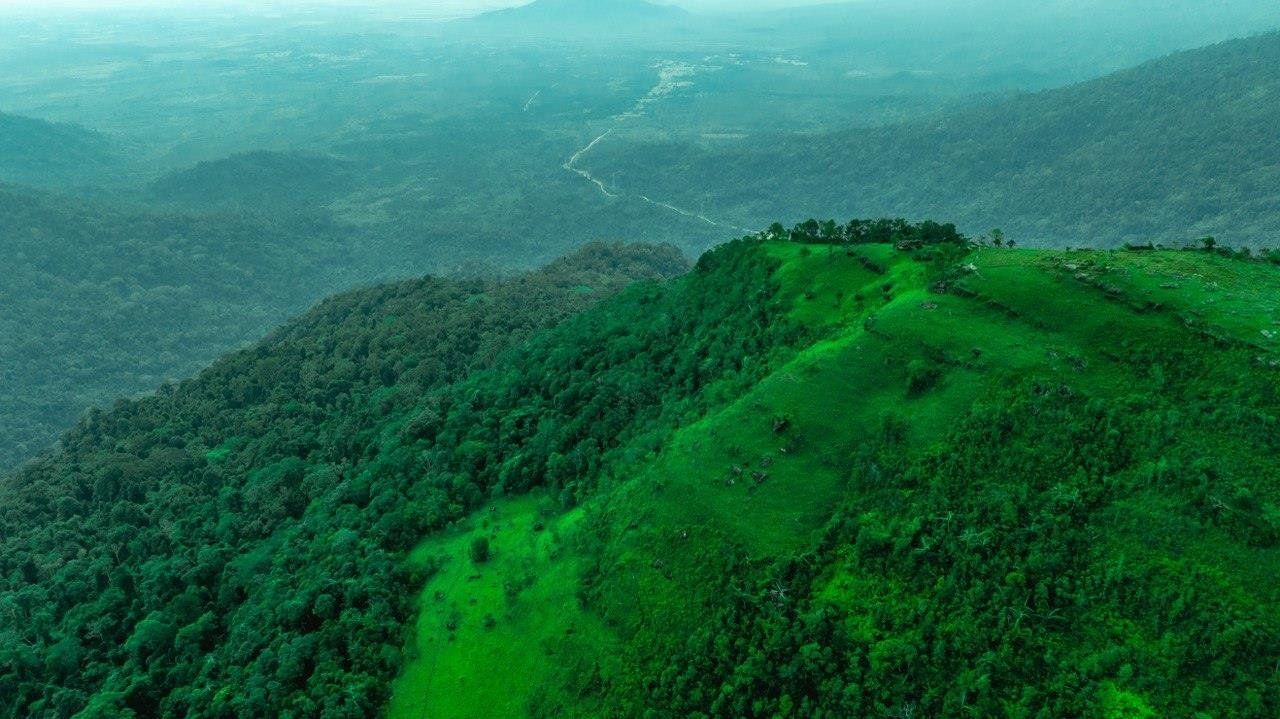
Located approximately 165 km from Phnom Penh, Khnang Phsar sits at a majestic elevation of 1,177 meters above sea level. The summit rests at the scenic intersection of Kampong Speu, Koh Kong, and Pursat provinces. Today, it has firmly established itself as one of Cambodia’s leading nature-based eco-tourism destinations.
1. Deep in the Cardamom Mountain Wilderness
Khnang Phsar, which translates poetically to “The Market on the Mountain Range,” is nestled deep within the Central Cardamom Mountains. For decades, this rugged landscape was completely isolated. The peaks are famous for dense rainforests, rolling mist, and vast pine groves that create an otherworldly “sea of clouds” every morning.
The Geography of Khnang Phsar:
├── Elevation: 1,177 meters (3,861 feet) above sea level
├── Range: Central Cardamom Mountain System
└── Ecosystem: High-altitude pine forests & savannah meadows
Previously, this region was known as one of the poorest communities within a protected area. Families in the local Tang Bompong village depended almost entirely on illegal logging, forest extraction, and wildlife poaching for daily survival. However, strategic investments in community capacity building and infrastructure have completely reversed this narrative.
2. Massive Tourist Surge Rewrites Community History
The speed of Khnang Phsar’s economic transformation has shocked regional experts.
- 2025 Totals: Khnang Phsar welcomed a modest 5,000 tourists during the entire year.
- 2026 Half-Year Explosion: In just the first six months of this year, arrivals skyrocketed to approximately 20,000 visitors—a massive four-fold increase.
- Weekly Traffic: The destination now draws over 1,000 tourists in a single week, proving its undeniable mainstream appeal.
3. Infrastructure Upgrades Modernize the Mountain Experience
This unprecedented tourism boom is directly supported by major facility upgrades. Launched under the strategic guidance of Prime Minister Hun Manet and executed by Environment Minister Eang Sophalleth, accessibility has drastically improved.
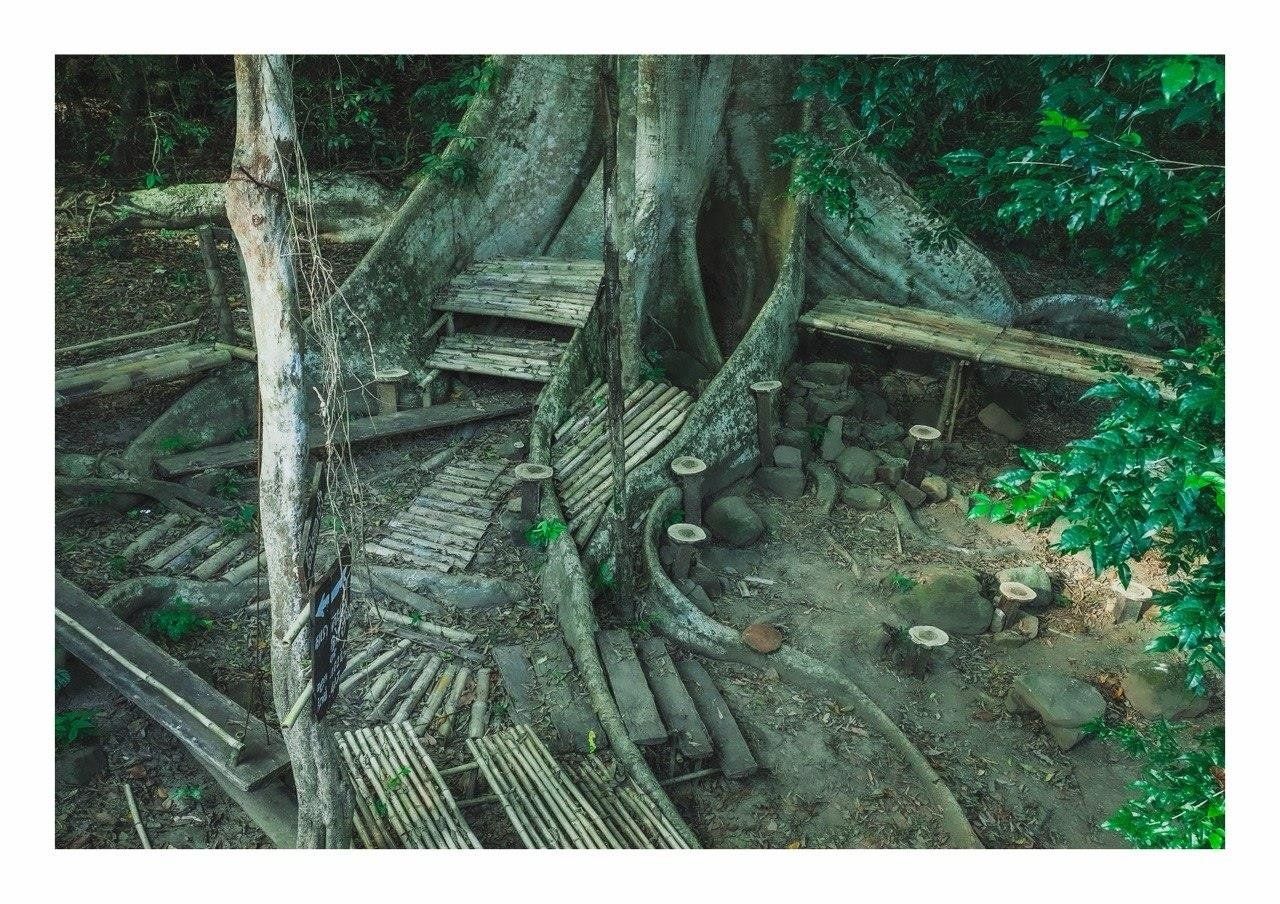
For instance, hikers used to face grueling multi-day journeys just to reach the base. Now, the destination boasts a new gravel access road, dedicated information centers, secure parking areas, local markets, and cafes. In addition, eco-friendly accommodations, solar-powered utilities, clean restrooms, and shower facilities have been seamlessly integrated. Visitors can also explore a newly developed 4-kilometer hiking trail that leads directly to the sacred Preah Ang Footprint Site. This pathway is fully equipped with designated rest areas, waste disposal points, scenic viewpoints, restaurants, and emergency support services.
4. Empowerment Turns Former Loggers into Guardians
Behind these encouraging tourist numbers lies a deeper story of genuine rural empowerment. Through targeted state training, local residents have transitioned away from resource extraction. Instead, they now thrive as professional service providers, tour guides, hospitality workers, and first-aid responders. Local families operate the Koyun (motor-tractors) that transport hikers through the initial rough terrain, generating direct municipal revenue.
Consequently, this economic evolution has strengthened local ownership over environmental conservation. Because residents realize that protecting forests, pristine waterways, and wildlife directly funds their livelihoods, they have become the area’s fiercest guardians.
5. A Blueprint for Sustainable Green Growth
Ultimately, Khnang Phsar’s journey proves that economic development and environmental protection are not competing objectives. Rather, they are complementary goals that reinforce one another.
By placing local people at the center of conservation, Cambodia has created an effective pathway toward lasting sustainability and shared regional prosperity. As the nation continues to champion green growth, this thriving eco-tourism hub stands as a proud testament to what can be achieved when conservation is combined with true community ownership.
Also Read, Cambodia Drafts National Strategy to Boost MSME Sector Growth