PHNOM PENH, Cambodia — Cambodia has officially transformed from a nation with limited capacity for monitoring infectious diseases into a vital hub for the World Health Organization’s (WHO) global virus surveillance system. This milestone follows two decades of strategic investments and extensive capacity building in influenza and respiratory virus tracking.
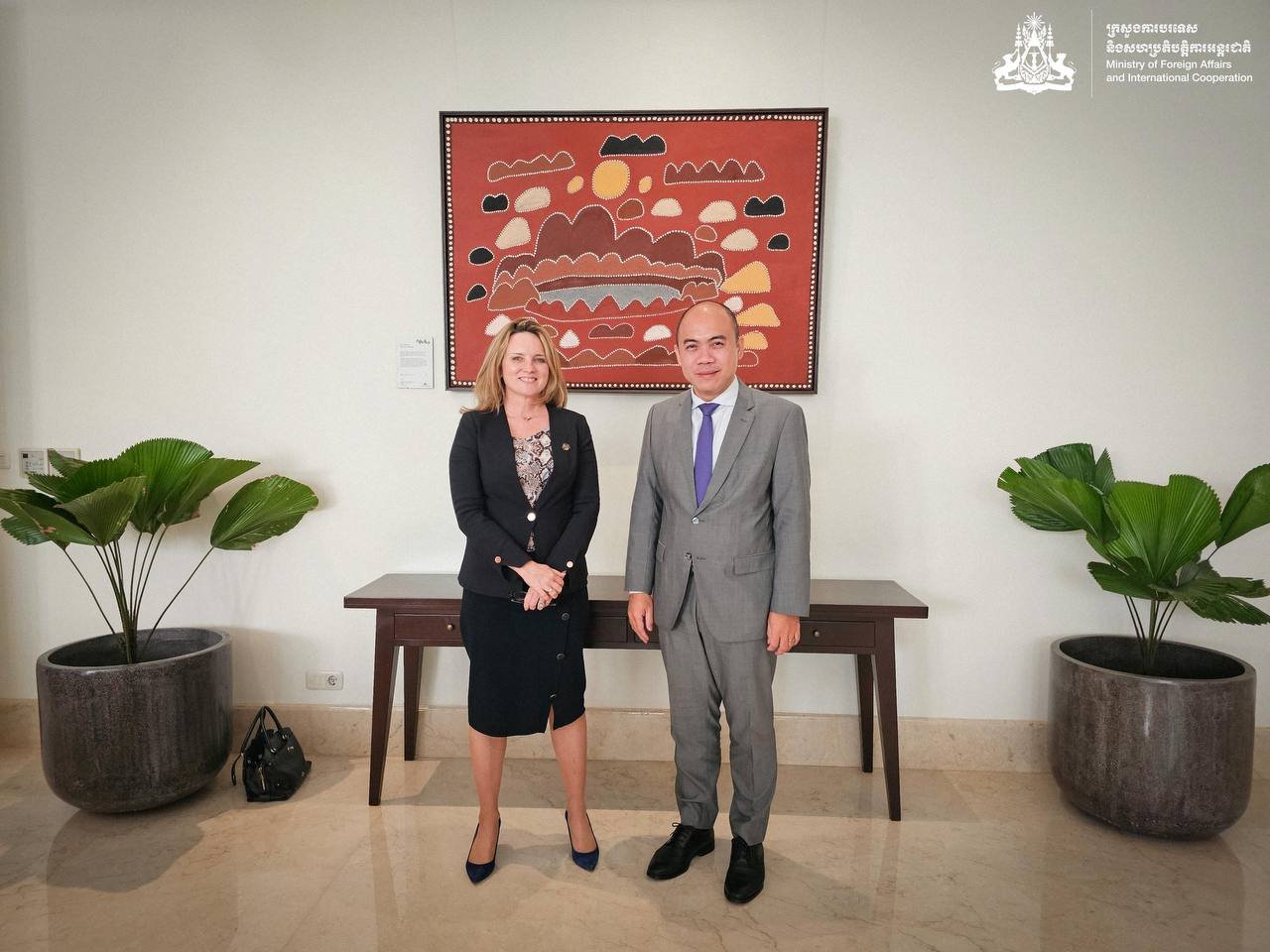
The Kingdom’s remarkable progress was the center of attention at a high-level conference on Monday, June 8, 2026. The event marked the advancement of Cambodia’s influenza and respiratory virus surveillance and response from 2006 to 2026, co-chaired by Cambodian Minister of Health Chheang Ra and Benjamin Chiang, chargé d’affaires at the US Embassy.
Boosting Global Health Security Amid Rising Threats
During the conference, Minister Chheang Ra emphasized that Cambodia’s robust surveillance infrastructure does more than protect its own citizens; it serves as a critical defense line for regional and international public health. Cambodia routinely shares real-time data with the WHO to intercept cross-border pathogens before they escalate into global crises.
“In the context of global health security, no country can escape an outbreak if infectious diseases are spreading elsewhere,” Minister Chheang Ra stated. “The Covid-19 pandemic is the clearest example that we have all experienced.”
The health minister warned that among various infectious pathogens, airborne respiratory illnesses remain the most volatile threat, noting they “move as swiftly as the wind.”
Two Decades of US-Cambodia Health Collaboration
The 20-year milestone highlights the deep technical partnership between Cambodia’s National Institute of Public Health (NIPH), the Ministry of Health’s Communicable Disease Control Department (CDC), and the US Centers for Disease Control and Prevention (US-CDC).
What began in 2006 as a foundational, basic influenza monitoring program has evolved into a highly sophisticated network capable of tracking emerging and re-emerging infectious diseases.
Advanced Technological Milestones Achieved:
- Molecular Diagnostics: High-precision testing to identify specific viral strains.
- Genomic Sequencing: Cutting-edge capacity to track viral mutations in real time, a tool that proved invaluable during the COVID-19 pandemic.
- Modernized Data Management: Upgraded digital systems that allow rapid data analysis and swift dissemination to the international scientific community.
Future Priorities: Modernization and the “One Health” Approach
Looking forward, Minister Chheang Ra outlined strategic priorities to ensure Cambodia remains ahead of future pandemic threats. He called on the NIPH to continuously modernize laboratory infrastructure and urged health departments to integrate advanced digital technologies to improve data quality.
Roadmap for Cambodia’s Next Phase of Health Defense:
- Human Capital Development: Providing continuous, advanced technical training for local epidemiologists and laboratory technicians.
- The “One Health” Strategy: Strengthening the interconnected approach that links human, animal, and environmental health to catch zoonotic spillovers early.
- International Alliances: Deepening technical and data exchanges with global scientific networks and regional partners.
As cross-border travel and global populations hit record highs, early pathogen detection stands as a nation’s strongest line of defense. With this 20th-anniversary milestone, Cambodia signals its clear ambition to transition from a beneficiary of international aid into a permanent, leading architect of global health security.