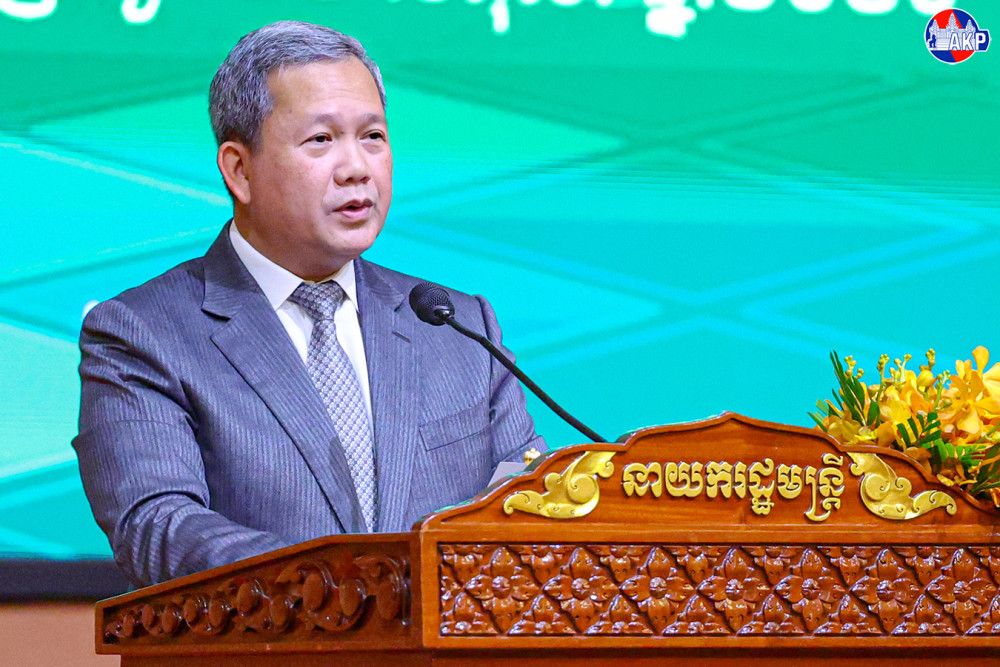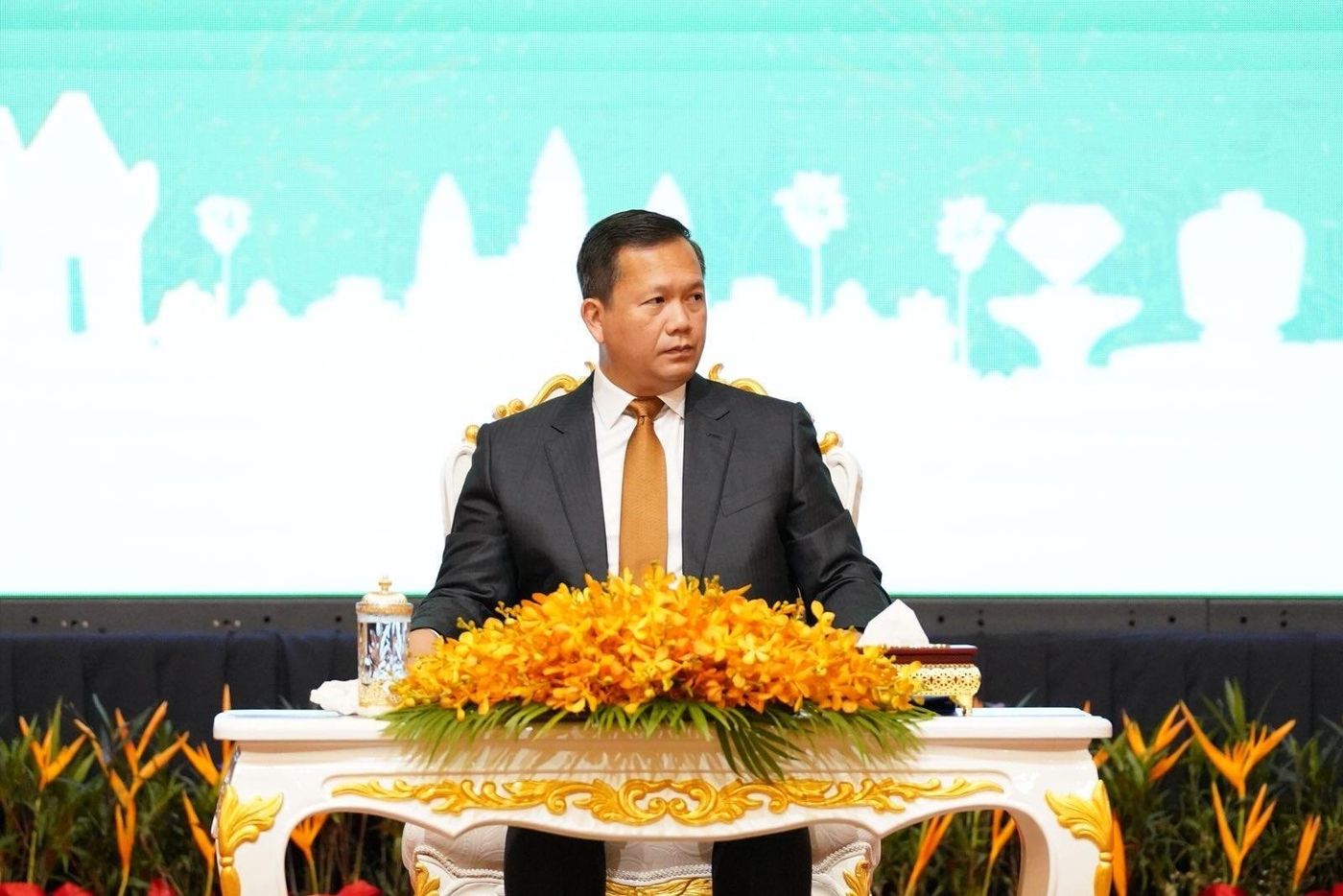
KAZAN, RUSSIA — The Cambodia Eurasian Economic Union FTA proposal has emerged as a centerpiece of the Kingdom’s economic diplomacy following high-level interventions by Prime Minister Hun Manet. Specifically, the Prime Minister spoke on the sidelines of the Russia-ASEAN Commemorative Summit held from June 17 to 18, 2026, in Kazan, Russia. During his address, Hun Manet reaffirmed Cambodia’s long-term commitment to broadening its economic partnerships. Consequently, the country is aggressively diversifying its export markets.
The summit marked the milestone 35th anniversary of ASEAN-Russia dialogue relations. Furthermore, it served as a launchpad for Cambodia to strengthen ties with major regional trading blocs. Leading a senior Cambodian delegation, the Prime Minister engaged in critical dialogues. Therefore, he successfully positioned the Southeast Asian nation as a definitive trade bridge to Eurasia.
1. High-Level Bilateral Dialogues and EAEU Integration
A major focus of the diplomatic mission was a renewed institutional push to negotiate a comprehensive Free Trade Agreement (FTA) with the Eurasian Economic Union (EAEU). This powerful economic bloc consists of Russia, Armenia, Belarus, Kazakhstan, and Kyrgyzstan. To advance this goal, Prime Minister Hun Manet held a highly productive working session with Bakytzhan Sagintayev, Chairman of the Board of the Eurasian Economic Commission (EEC). Together, they formally evaluated the logistics of an FTA.
In addition, the Prime Minister explicitly requested backing for this trade pact from Russian President Vladimir Putin. This request acknowledges Russia’s foundational influence within the five-nation economic union.

To illustrate this integration, Cambodia’s strategic path functions as a direct connection. First, building a diversified domestic export base allows the country to thrive. Next, Cambodia leverages its deep integration within ASEAN and RCEP. Finally, these steps fuel direct FTA negotiations to secure open market access across the entire Eurasian Five Bloc.
2. Cambodia as a Strategic ASEAN Gateway
During the bilateral talks, Hun Manet highlighted Cambodia’s rapid transformation into a highly competitive regional hub. He noted that entering into a formal pact with Cambodia would offer the EAEU an enhanced gateway. Consequently, Eurasian partners would gain direct entry into the dynamic, fast-growing Southeast Asian consumer market.
| Market Metric | Strategic Position / Progress | Long-Term Trade Impact |
| Trade Integration | RCEP & ASEAN Active Member | Offers EAEU seamless access to a $3.9T regional market. |
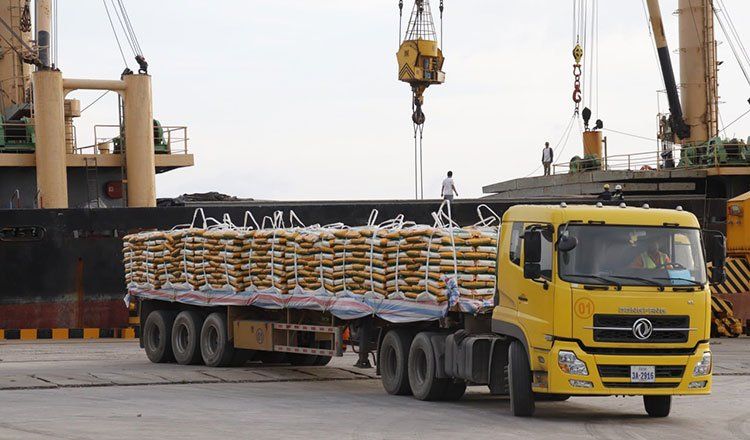
| Bilateral Growth | EAEU-5 exports to Cambodia rose 37.8% in 2025 | Demonstrates accelerating demand for Eurasian products. |
| Proposed Framework | Customs, Standardization, & Logistics Optimization | Eliminates non-tariff barriers to fast-track shipping lanes. |
| Key Diplomatic Mark | 70th Anniversary of Cambodia-Russia Ties (2026) | Solidifies traditional political trust into economic yields. |
Furthermore, the Prime Minister emphasized that Cambodia’s investment appeal extends far beyond its domestic market. He cited its expansive network of existing bilateral trade agreements. In addition, he pointed to its core participation in the Regional Comprehensive Economic Partnership (RCEP).
3. Untapped Trade Potential and Multi-Sector Cooperation
Meanwhile, EEC Chairman Bakytzhan Sagintayev strongly welcomed the steady momentum built between Cambodia and the EAEU over the past ten years. However, he acknowledged that massive pockets of economic cooperation remain untapped. The two sides jointly concluded that advancing toward an official FTA would act as an immediate catalyst. Therefore, it will expand investment flows and build robust supply chains.
To sustain this momentum, the working groups identified several critical areas for optimization:
- Commodity Nomenclature: They aim to diversify the types of goods actively traded across borders.
- Customs Administration: They plan to standardize border protocols to minimize systemic delays.
- Certification Requirements: They will align product quality and safety benchmarks between systems.
- Logistics Corridors: They intend to construct efficient, reliable supply links to navigate modern transit bottlenecks.
Parallel to the trade pact conversations, President Putin and Prime Minister Hun Manet expressed high satisfaction with their overall historical ties. Accordingly, they pledged to deepen ongoing cooperative programs across energy, agriculture, security, education, and tourism. Ultimately, Cambodia’s focused maneuvering in Kazan underscores its broader economic layout. It successfully positions itself as an agile, neutral bridge connecting Southeast Asia to emerging markets
Also Read, International Day of Yoga Cambodia 2026 Celebrated at Techo Meas Techo Yort Park