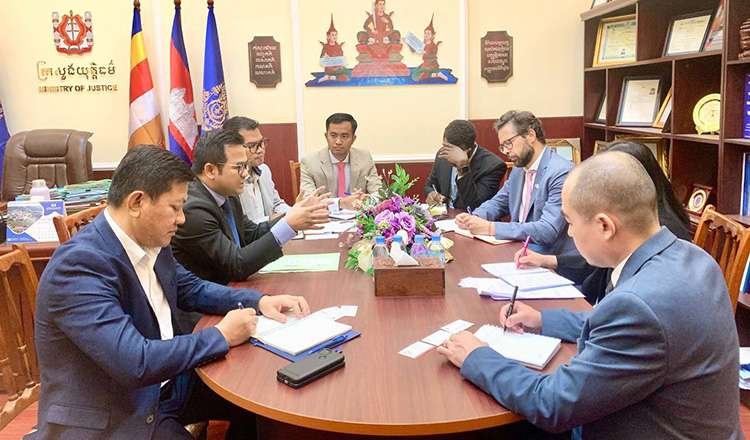
SCAN Industrial Services Cambodia Co., Ltd. has signed a five-year agreement with Cambodia’s Ministry of Labour and Vocational Training to strengthen vocational training and develop a larger pool of skilled industrial workers, the company said.
The Memorandum of Agreement focuses on upgrading training standards at the Industrial Technical Institute’s Metal Engineering and Sheet Metal Welding Department, with the aim of aligning selected programmes with international industry requirements.
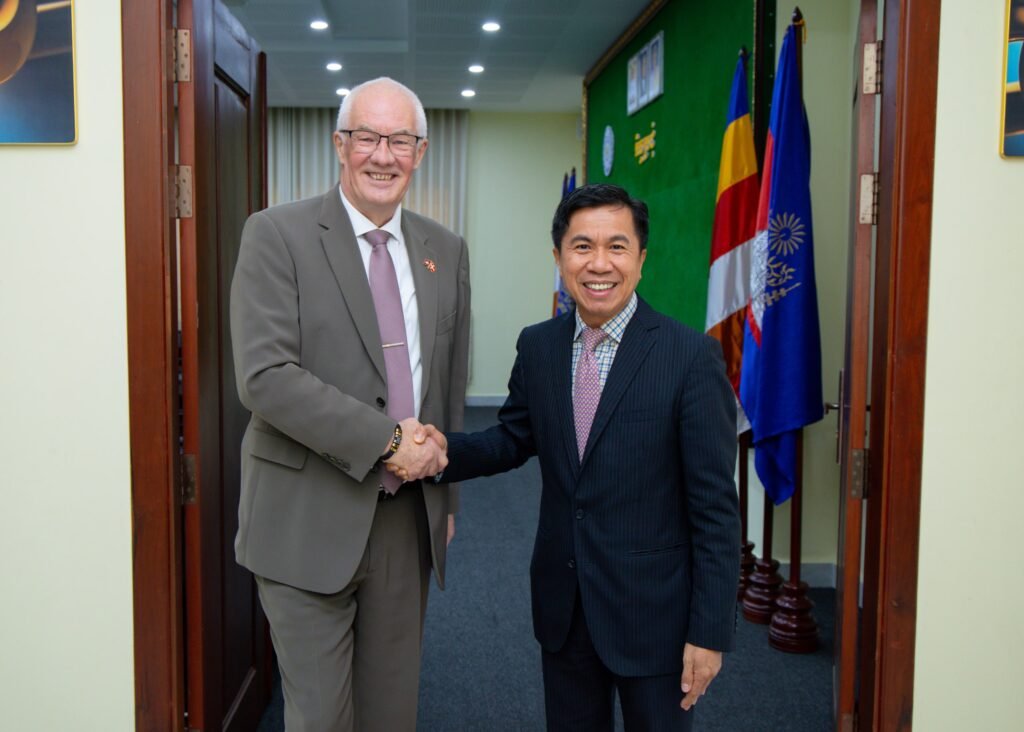
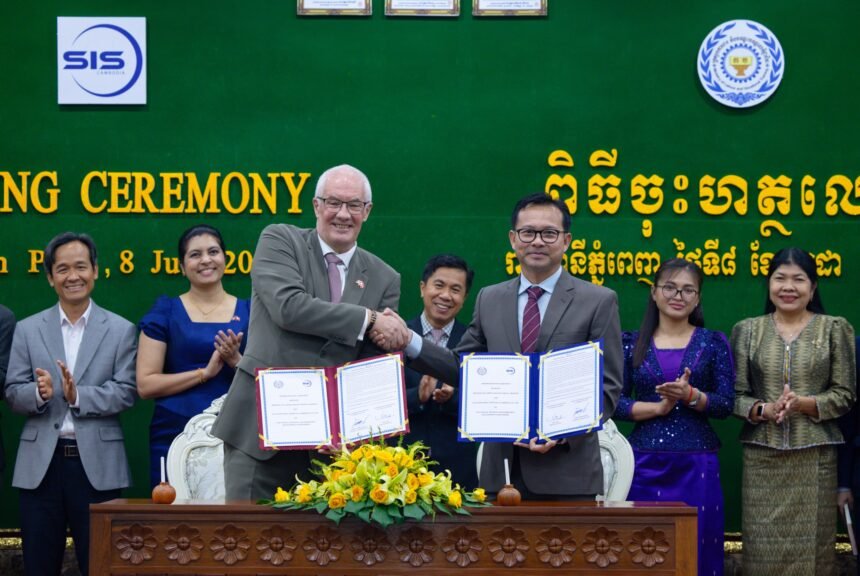
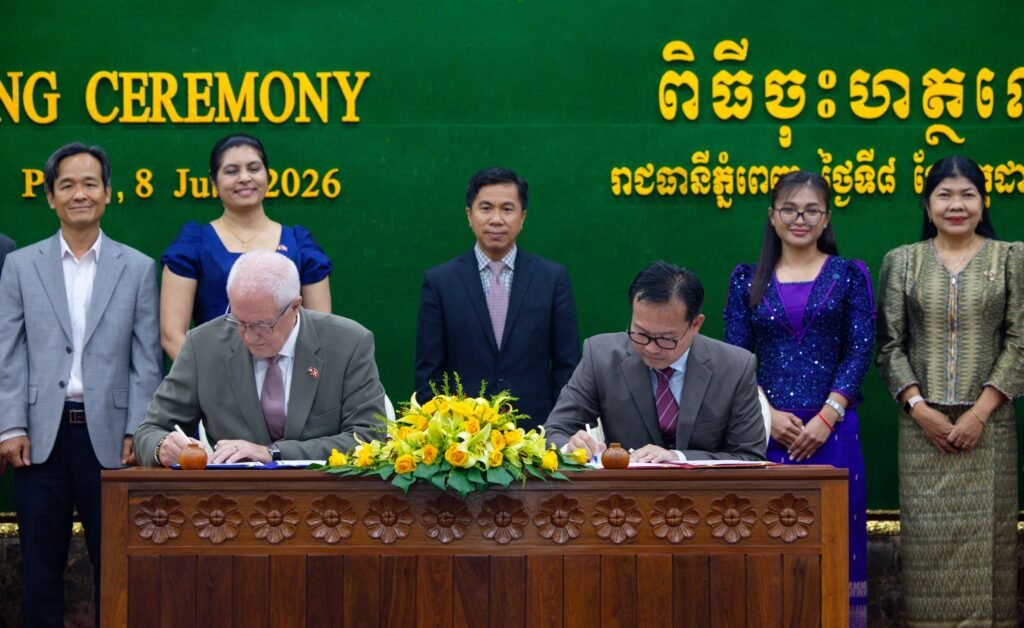
The agreement was signed by H.E. Chin Tara, Director of the National Technical Training Institute, on behalf of the ministry, and Tommy Christensen, Chairman and Group CEO of SCAN Industrial Services Cambodia. The signing was witnessed by H.E. Chea Kosal, Secretary of State at the Ministry of Labour and Vocational Training.
The partnership is designed to support Cambodia’s Skills Development Roadmap 2023–2035 and the government’s wider industrial development agenda under the Pentagonal Strategy.

Under the programme, Cambodian trainees will receive structured vocational training through the national technical education system, followed by apprenticeship opportunities with private sector partners. Government trainers are also expected to be upgraded through a Train-the-Trainer model developed in cooperation with Danish technical schools.
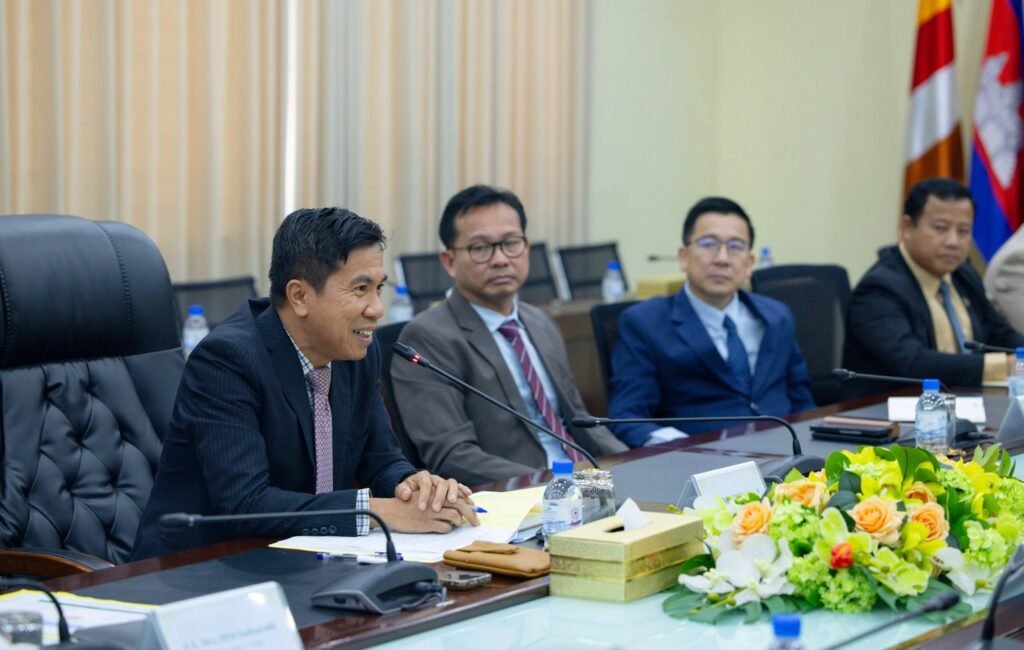
Christensen said the agreement marked an important step for Cambodia’s industrial workforce development and would help improve the quality and relevance of technical training.
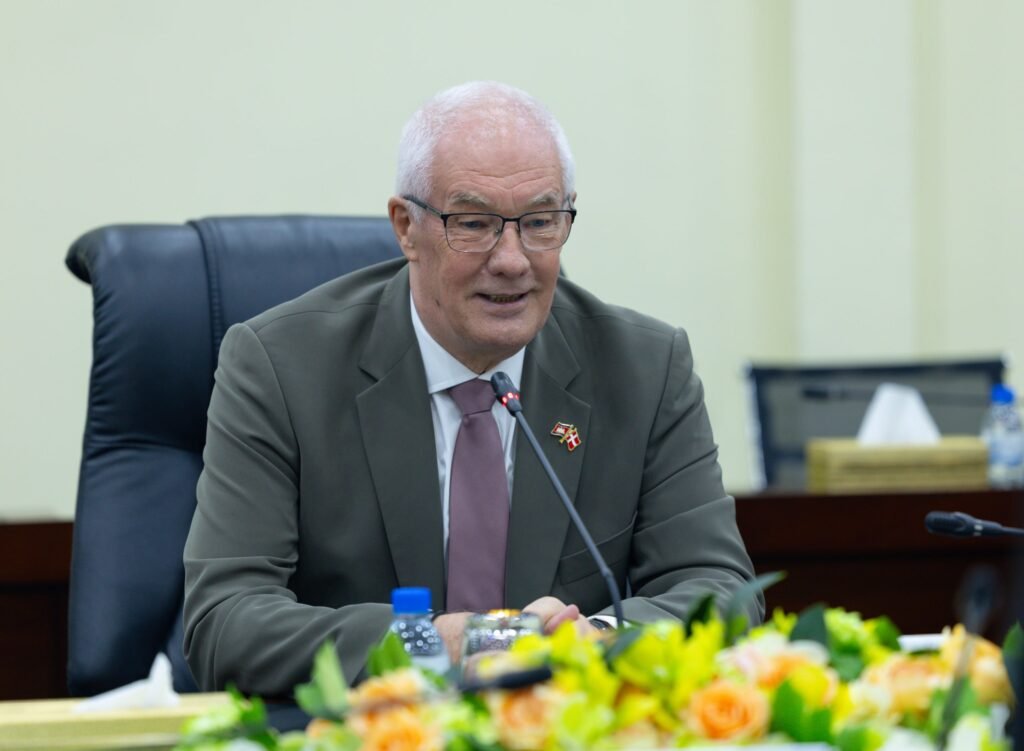
“We are committed to working closely with MLVT, other relevant ministries and ITI to progressively upgrade the quality and industry relevance of technical training in Cambodia,” he said.
SCAN Industrial Services Cambodia operates through its workforce development arm, SME Resource Center. The centre is expected to support training activities from government TVET institutions through to private industrial facilities and eventual employment pathways.
The company said the model would follow a “Learn, Do, Certify” pathway. Trainees would first receive foundational training at ITI, then move into on-the-job training with industry partners before preparing for certification and employment in industrial production environments.
The initiative is also expected to support Cambodia’s ambition to attract higher-value manufacturing and engineering investment by improving the availability of certified local workers.
NAT Oil & Energy Denmark ApS, the Danish parent company of SCAN Industrial Services Cambodia, brings experience in industrial engineering, oil and gas operations and technical training. SCAN Industrial Services Cambodia is structured as a Danish-Cambodian enterprise with Cambodian co-ownership.
The company said its approach is intended to combine international expertise with local participation, including Cambodian entrepreneurs, local networks and local investment.

Over the five-year period, the partnership will focus on improving training programmes, strengthening trainer capacity and building stronger links between vocational education and private sector employment.
The programme is also expected to create opportunities for companies to train employees through ITI-based corporate development programmes. Revenue from such programmes could help support the long-term sustainability of the training model and reduce reliance on government funding.
The agreement also includes an inclusive training objective, with support for trainees from poor and vulnerable families through Cambodia’s TVET 1.5M programme.
For Cambodia, the agreement reflects a broader shift in workforce development policy: linking vocational training more directly with industry demand, certification and employment. Supporters of the approach say such partnerships can help young Cambodians gain practical skills while giving employers access to workers trained for real production environments.
SCAN Industrial Services said it welcomes participation from industry partners, investors and development organisations interested in supporting Cambodia’s industrial workforce development.