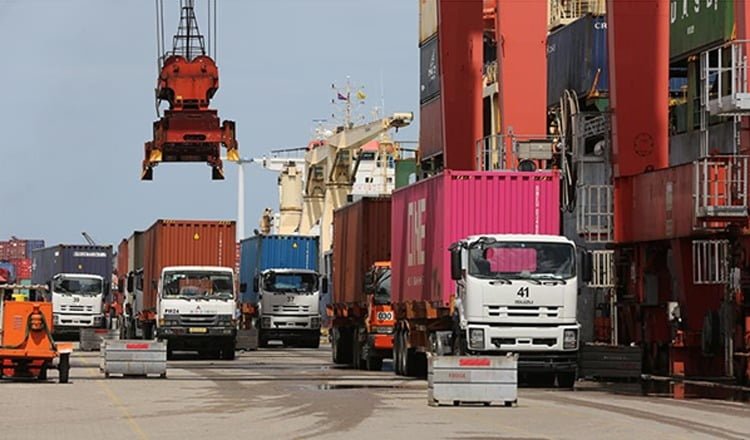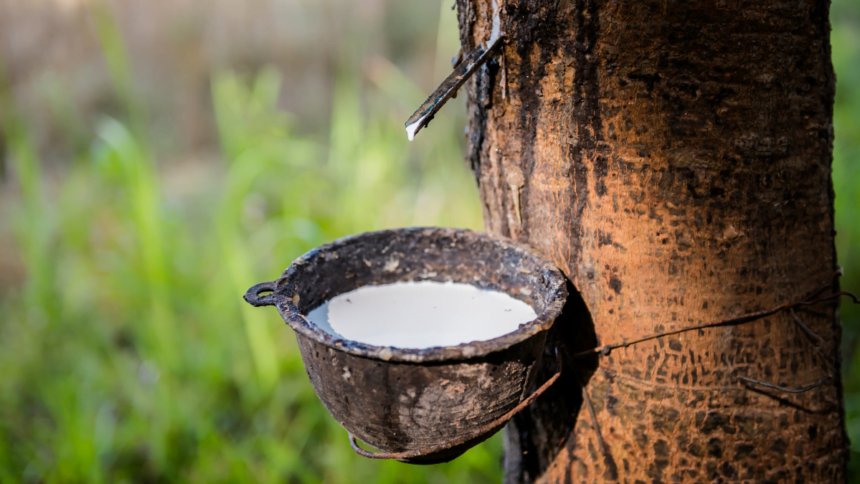
Cambodia’s rubber export sector delivered strong growth in 2025, generating more than USD 832 million in export revenue, an increase of 24 percent compared to the previous year, according to official data from the country’s rubber authorities. The rise highlights the continued importance of rubber as one of Cambodia’s key agricultural export commodities.
Total earnings from rubber exports in 2025 stood at approximately USD 832.48 million, supported by improved international market conditions and firmer global prices. The average export price of rubber during the year was around USD 1,756 per tonne, which was higher than the average price recorded in 2024. The improvement in pricing significantly contributed to the increase in overall export value, even as global commodity markets experienced periodic fluctuations.
Rubber exports remain a major contributor to Cambodia’s agricultural economy, supporting employment across plantation areas and strengthening rural incomes. The sector benefits from long-term investments in rubber plantations and processing facilities, which have helped improve productivity and export readiness. Cambodia exports rubber and rubber-based products to a range of international markets, helping diversify its trade portfolio and reduce reliance on a narrow set of commodities.
In comparison, Cambodia earned about USD 671 million from rubber exports in 2024, underscoring the sector’s strong year-on-year performance in 2025. The increase in export revenue aligns with broader efforts by the country to expand agricultural exports and enhance value creation within the supply chain. Stable demand from overseas buyers and better alignment with international quality standards have also supported export growth.
Despite ongoing challenges such as rising production costs and changing global demand patterns, the rubber sector showed resilience throughout 2025. The higher export earnings reflect improved market access and favorable pricing trends rather than short-term factors. Going forward, continued focus on efficiency, quality improvement, and sustainable plantation management is expected to play a key role in maintaining Cambodia’s position in global rubber markets.
The growth in rubber export earnings in 2025 reinforces the sector’s role as a steady source of foreign exchange and a key pillar of Cambodia’s agricultural export strategy
Also read: Cambodia, India Strengthen Environmental Pact for Tiger Recovery