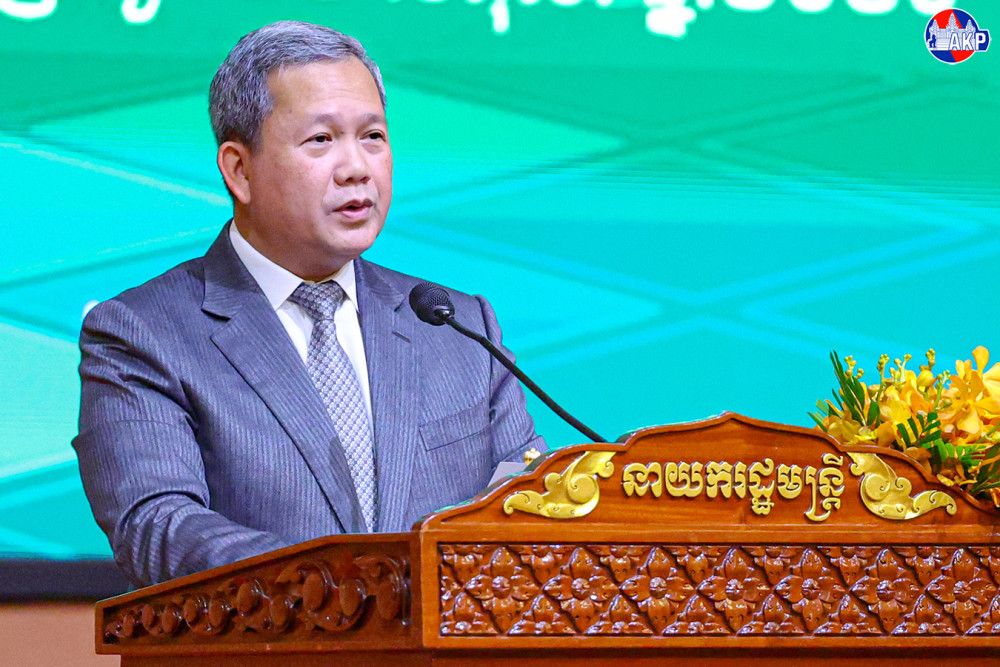
KAMPONG CHAM– Cambodian Prime Minister Hun Manet officially inaugurated the upgraded National Road No. 7 in Kampong Cham Province on Tuesday, July 7, 2026. During the ceremony, the premier detailed a comprehensive transport strategy to drive Cambodia waterway and highway expansion. He confirmed that the construction of the strategic 180-kilometre Funan Techo Canal is moving forward strictly as scheduled.
This infrastructure push aims to systematically lower logistics costs for local farmers and businesses. Consequently, the government intends to blend roads, railways, and rivers into an integrated logistics network. This structural shift will allow agricultural goods to bypass congested roads and ship directly to international maritime routes.
The newly upgraded 45-kilometre highway features a four-lane layout built with asphalt concrete and reinforced concrete pavement. According to a report by Minister of Public Works and Transport Peng Ponea, the project required a total investment of $117.65 million. The Government of the People’s Republic of China primarily financed the development through a concessional loan. Meanwhile, the Royal Government of Cambodia provided the remaining balance.


Upgraded National Road No. 7 Enhances Regional Connectivity
The completed project links major national highways and strategic economic corridors across the country. At its western end, the road connects with National Road No. 6. Furthermore, it intersects with National Roads No. 60, No. 70, No. 71, and No. 71C. To the east, it links with National Roads No. 8, No. 11, No. 73, No. 76, and No. 78. Therefore, the highway significantly improves traffic flow between Phnom Penh and the northeastern provinces.

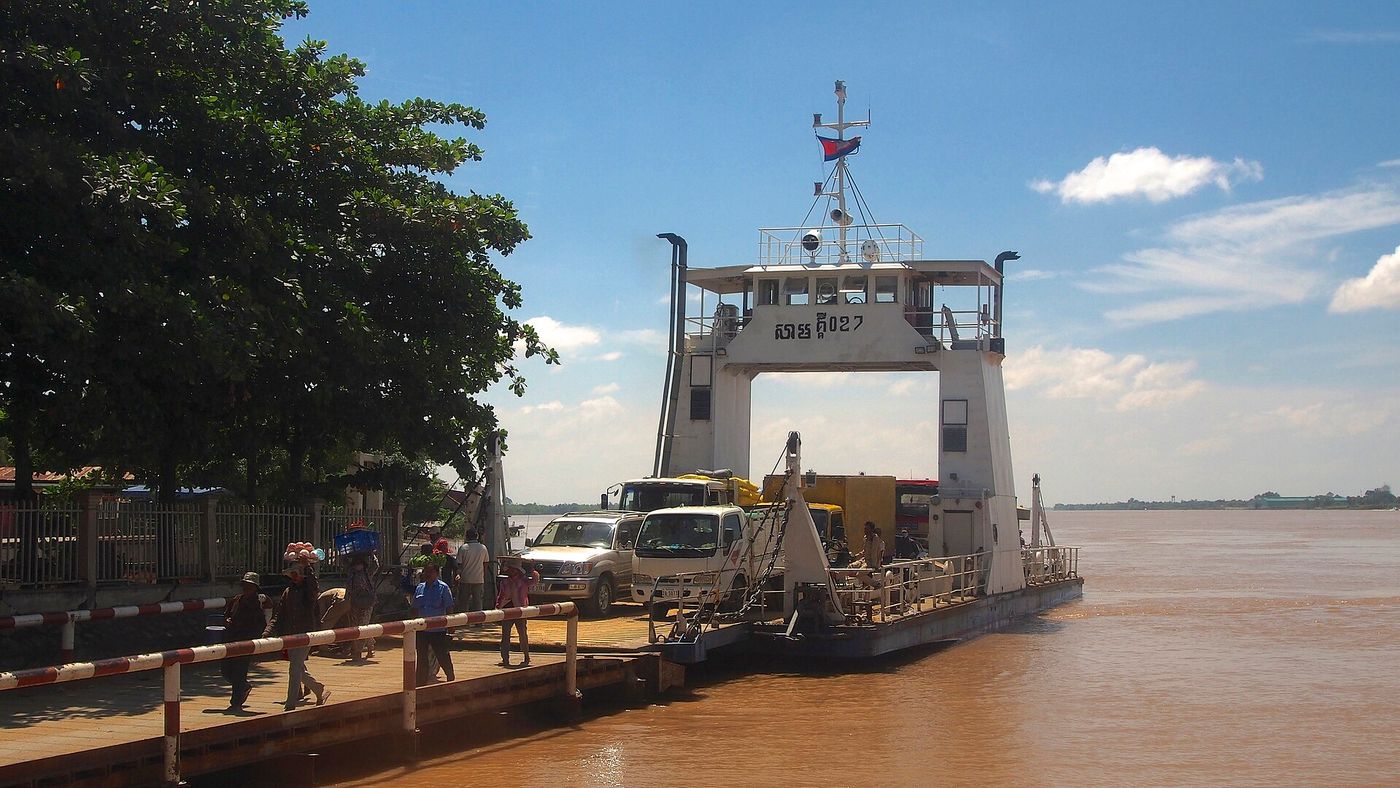
In addition to the canal project, the premier announced extensive plans to rehabilitate rivers from Phnom Penh to Kampong Chhnang, Kampong Cham, and Kratie Province. A new multi-purpose port is currently under construction in Kratie. Concurrently, authorities are planning additional river ports to handle growing cargo volumes. Waterways in the Tonle Sap region will also receive substantial structural upgrades to support larger freight vessels.
Moreover, the upgraded highway cuts travel time between Skun and Kampong Cham from one hour down to roughly 30 minutes. This faster route directly supports the local tourism and hospitality sectors. Specifically, it makes prominent provincial attractions like Teuk Chha and Phnom Pros–Phnom Srei far more accessible to holidaymakers. Motorists can also access the entire 45-kilometre stretch without paying any road tolls.
Strict Weight Regulations to Protect Public Infrastructure
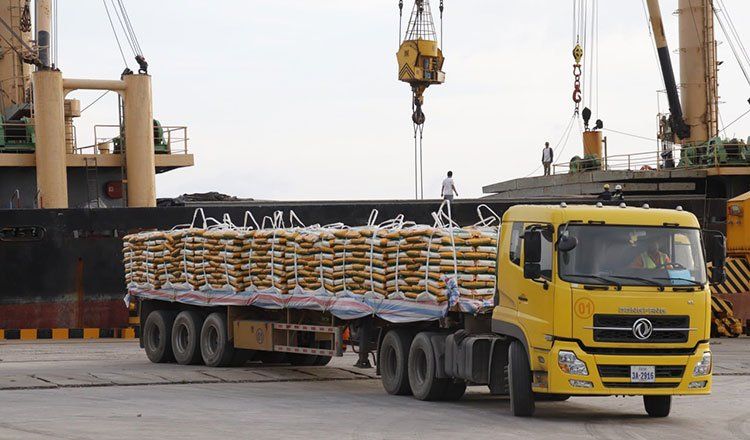
To protect Cambodia waterway and highway expansion projects, Prime Minister Hun Manet called for strict enforcement against overloaded transport. The Royal Government recently amended the Law on Roads. This change raised the maximum legal weight limit for cargo trucks from 40 tonnes to 50 tonnes to reflect sturdier road designs. However, the premier warned that businesses must respect these new limits to avoid damaging public infrastructure.
“Transport companies aim for profit, but it must be earned legally,” the prime minister emphasized. He added that extending the lifespan of roads allows the state to redirect repair funds toward building new village roads and bridges.
The successful inauguration of National Road No. 7 marks a major step forward for the country’s logistical framework. By blending heavy highway infrastructure with extensive river cargo pathways, Cambodia is building a highly resilient trade environment. Ultimately, this balanced Cambodia waterway and highway expansion strategy will continue to lower domestic shipping costs, protect public assets, and boost the global competitiveness of Cambodian products.
Also Read, Germany and Cambodia Launch ‘FABRIC Cambodia II’ to Meet Tightening Global ESG Rules