SIEM REAP, CAMBODIA — The Royal Government of Cambodia has launched a comprehensive strategic roadmap to transform Preah Jayavarman-Norodom National Park, popularly known as Phnom Kulen, into Southeast Asia’s leading destination for nature, cultural, and spiritual tourism. The multi-phased development initiative aims to position the sacred mountain range as Cambodia’s premier tourist attraction directly following the iconic Angkor Wat.
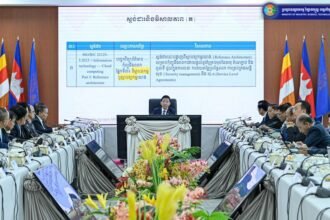
During a high-level consultative meeting held in Siem Reap on July 3, 2026, Tourism Minister Huot Hak reviewed the “Draft Key Measures for Promoting Tourism Development in Phnom Kulen 2026–2028”. The event brought together roughly 200 participants, including senior ministry officials, provincial authorities, representatives from the APSARA National Authority, development partners, and leaders from the park’s local communities.
Strategic Shift: The ‘Beyond Angkor’ Diversification Framework
The blueprint aligns directly with directives issued by Prime Minister Hun Manet at the 19th Government–Private Sector Forum, which tasked authorities with elevating Phnom Kulen into a world-class, sustainable eco-tourism node. Furthermore, this strategy integrates seamlessly with the ongoing Siem Reap Tourism Development Master Plan 2021–2035 and the Visit Siem Reap Campaign.
By diversifying local travel assets under a deliberate “Beyond Angkor” strategy, the Ministry of Tourism intends to encourage longer visitor stays. This shift will effectively distribute tourism revenue to surrounding rural communities, driving localized economic growth and direct household income.
Balancing Heritage Conservation with High-End Infrastructure
Widely recognized as the historical cradle of the ancient Khmer Empire, Phnom Kulen possesses deep cultural, archaeological, and environmental value. It serves as the home to ancient sacred ruins, the historic Thousand Lingas riverbed carvings, and the 16th-century Preah Ang Thom monastery featuring Cambodia’s largest reclining Buddha.
To safely accommodate year-round domestic and international travellers, the draft framework sets out several targeted focus priorities:
- Infrastructure Upgrades: Improving eco-friendly transport access, building protective wooden walkways around fragile archaeological formations, and implementing clean waste-management systems.
- Product Diversification: Developing underutilized eco-adventure options, including organized trekking, mountain cycling pathways, managed camping grounds, and forest exploration.
- Resource Preservation: Enforcing strict carrying capacity limits at the popular Phnom Kulen waterfalls to prevent overcrowding, alongside establishing dedicated plastic-free zones near water sources.
Driving Inclusive Growth for Indigenous Communities
Minister Huot Hak heavily emphasized that the long-term success of the master plan hinges on the active participation of local communities. A well-managed destination must preserve its natural environment and spiritual significance while systematically improving the baseline visitor experience.
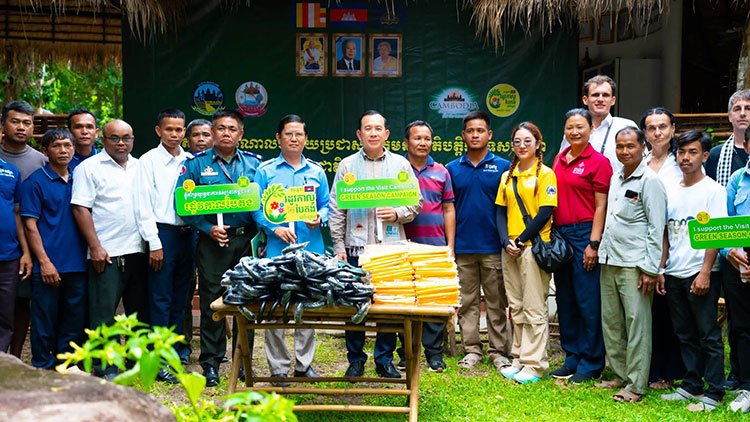
As an immediate gesture of support during the rainy season, the Ministry provided financial assistance of one million riel to each of the park’s five local communities. Concurrently, they distributed specialized Green Season gear to empower local operators to comfortably carry out community-led conservation and tourism operations during the rainy months.
By successfully blending green infrastructure with community-based ecotourism, Cambodia is systematically building a highly competitive, inclusive, and climate-resilient destination. Ultimately, this comprehensive roadmap will ensure Phnom Kulen stands alongside the region’s elite travel hotspots while strictly safeguarding its irreplaceable natural and historical heritage.
Also Read, Investor Confidence Surges: Cambodia’s Large-Scale Factories Grow to Nearly 3,300