PHNOM PENH — The Ministry of Environment (MoE) wants to build a sustainable workforce for the future. Therefore, the ministry proposed adding green skills and green jobs to Cambodia’s draft TVET Policy 2026–2035.
This initiative aims to prepare local workers for a modern green economy. Additionally, it supports long-term sustainable growth across the country.
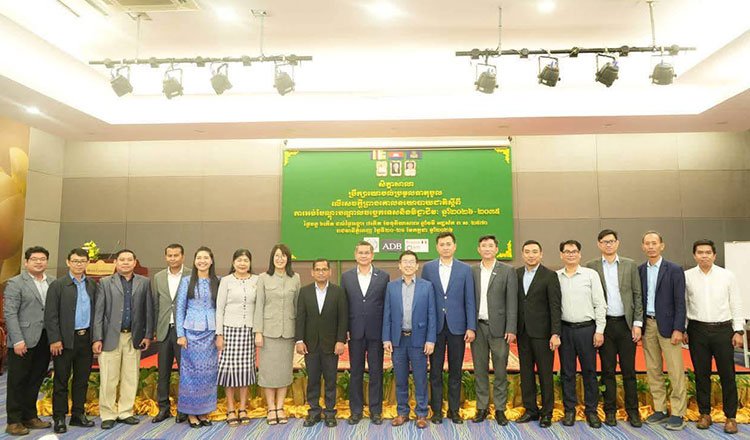
Officials presented these recommendations during a two-day consultation workshop at the Cambodiana Hotel. Undersecretary of State Oeun Banchanath and Department Head Song Leakina represented the ministry. Together, they shared strategic ideas to align vocational training with environmental laws and national climate goals.
Expanding Vocational Training Across Priority Sectors
To achieve these goals, the ministry suggested introducing green training modules across key industrial fields. For instance, TVET programs should expand practical training in the following sectors:
- Clean Energy: Installing solar panels and servicing electric vehicles.
- Sustainable Agriculture: Practicing eco-friendly farming and conserving water.
- Green Construction: Building energy-efficient structures with sustainable materials.
- Waste & Resource Management: Recycling materials and reducing industrial pollution.
Building Stronger Public-Private Partnerships
Furthermore, the ministry urged stronger collaboration between the government, private sector, and local communities. As a result, vocational institutions can better match training programs with actual labor market demands. This approach will also create more hands-on internship opportunities for students.
Overall, integrating green skills into the TVET system will create a highly competitive workforce. Moreover, this policy will help attract eco-friendly foreign investment. Ultimately, it brings Cambodia one step closer to reaching carbon neutrality by 2050.f Cambodia’s goal of reaching carbon neutrality by 2050.